A Shrouded Spectacle Unleashed
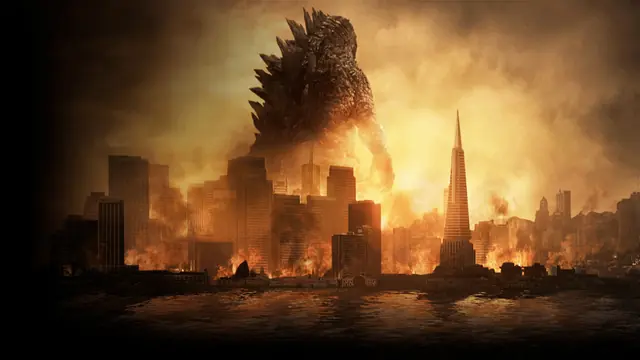
Anticipation for Godzilla (2014) was palpable, yet the marketing kept its cards close to the chest. Audiences went in knowing little beyond the return of the iconic kaiju, a refreshing change in an era of over-trailed blockbusters. This deliberate secrecy, while initially intriguing, set a high bar for payoff, promising a cinematic experience where the unknown could either thrill or disappoint.
The Human Element and Teasing Action
This iteration of Godzilla makes a bold choice: it’s a monster movie that prioritizes its human characters. Much like a zombie apocalypse tale focusing on survivors, the film centers on those grappling with a world suddenly overrun by colossal threats. Bryan Cranston delivers a compelling, emotional performance early on, hinting at a deeper narrative. However, his limited screen time feels like a strategic move for trailer appeal rather than a commitment to his character's arc. Aaron Taylor-Johnson, as the lead, embodies a stoic military presence, a portrayal that, while perhaps realistic for some, can come across as somewhat emotionless. The film excels at making the monster threat feel real, grounding the fantastical in a tangible sense of devastation. Yet, the pacing of the monster reveals is a double-edged sword. For much of the runtime, the titular beast is kept in the shadows, a constant tease that builds tension but ultimately leaves some viewers yearning for more immediate, destructive action. When the monsters finally do "throw down," the spectacle is undeniably cool, albeit not quite reaching the over-the-top, visceral thrills of films like Pacific Rim.
Narrative Stakes and Visual Prowess
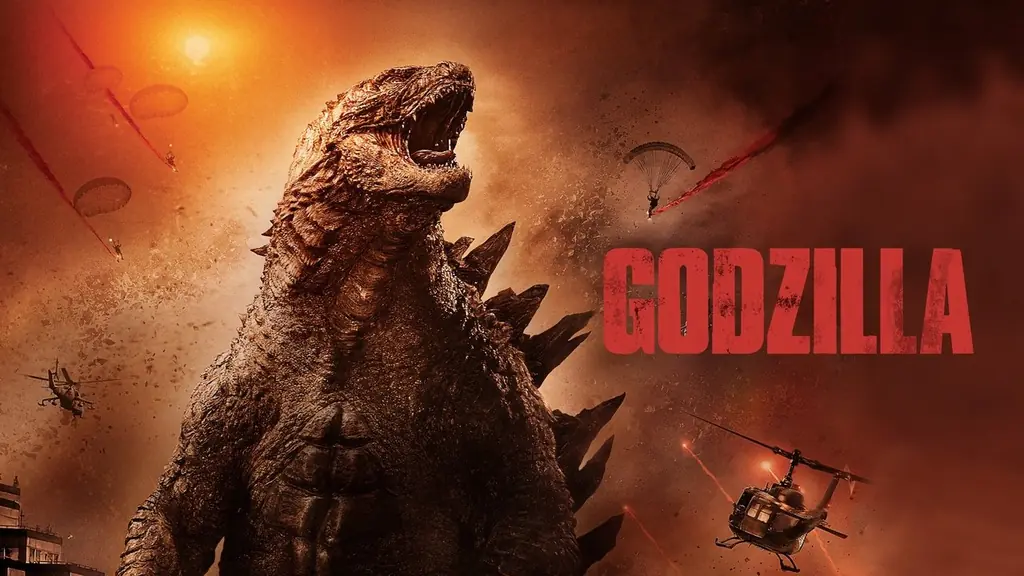
The narrative effectively establishes the stakes, portraying a world where cities are obliterated and humanity is on the brink. The film’s commitment to showing the aftermath and the human struggle against an unseen, then partially seen, force is commendable. While the teasing can be frustrating, it does contribute to a sense of dread and scale. The visual storytelling, under the direction of Gareth Edwards, is a standout. The camerawork is exceptional, often focusing on human reactions to the unseen or partially glimpsed horrors, allowing the audience to feel the terror and awe. Moments where ambient noise drops, highlighting a character's silent realization of impending doom, are particularly effective and showcase a keen directorial eye. This attention to detail in cinematography and direction elevates the film beyond a simple monster mash, even if the monster action itself is rationed.
A Reflective Roar
Godzilla is a film that often improves upon reflection. While the initial viewing might leave some wanting more direct monster-on-monster action, the film's strengths in character focus, visual artistry, and the palpable sense of a world under siege become clearer with distance. It’s a movie that asks its audience to engage with the human drama first, letting the kaiju spectacle serve as a devastating backdrop rather than the sole focus. This approach, while divisive, offers a unique take on the genre.
The Final Verdict
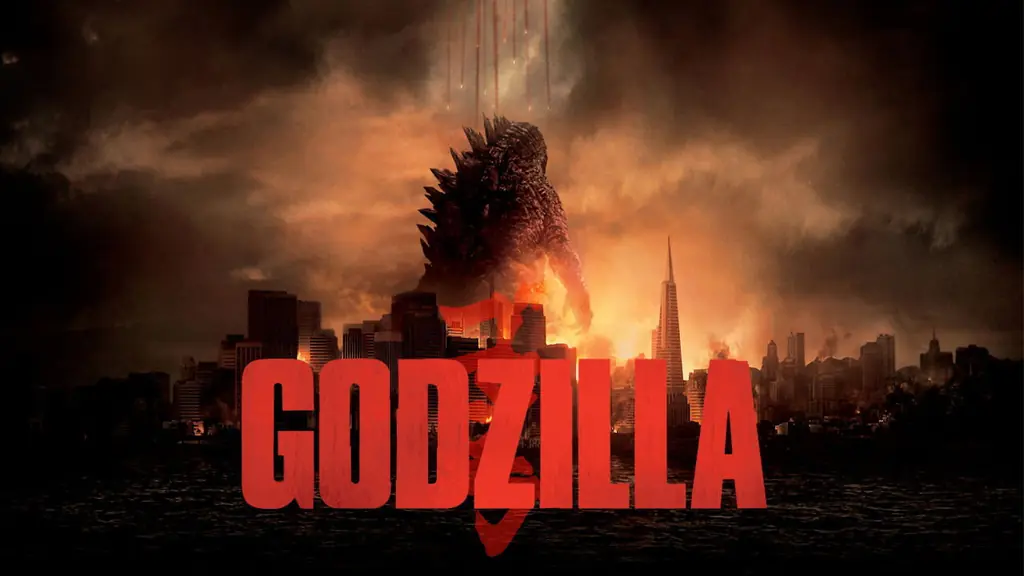
This take on Godzilla is a visually stunning, human-centric monster film that prioritizes atmosphere and dread over constant kaiju brawls. While the prolonged teasing of its star can test patience, the eventual payoff, coupled with exceptional cinematography and a grounded sense of threat, makes it a compelling watch. It’s a film that rewards those who appreciate a slower burn and a focus on the human cost of colossal destruction.
What Worked
- Exceptional cinematography and visual direction
- Effective portrayal of human struggle amidst monster threat
- Strong early performance from Bryan Cranston
- Creates a palpable sense of dread and scale
- Unique, human-centric approach to the monster genre
What Didn't Work
- Godzilla is teased for too long, leading to impatience
- Aaron Taylor-Johnson's character can feel emotionless
- Less direct monster action than some viewers might expect
- Bryan Cranston's character is underutilized