Introduction
The roar of anticipation for Godzilla Minus Zero was deafening, following the groundbreaking success of its predecessor. Audiences eagerly awaited the next chapter in what has quickly become hailed as the definitive Godzilla timeline. This sequel arrives with the weighty expectation of delivering even more visceral kaiju action and profound human drama, promising to carry the torch of its acclaimed forerunner.
The Lead Dynamic & The Action
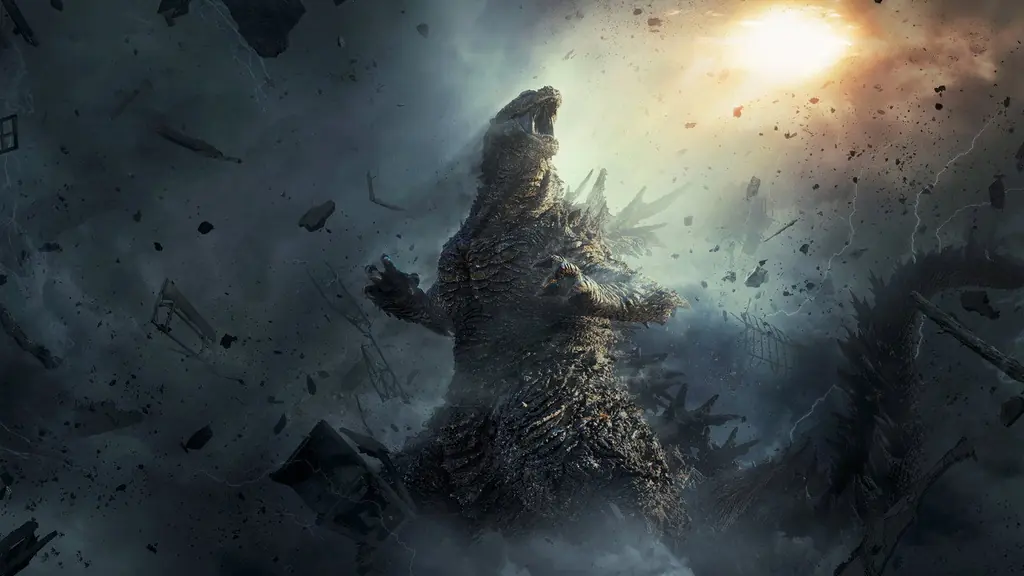
What truly sets this new era of Godzilla apart is its unwavering commitment to the human element. With director Takashi Yamazaki at the helm, Godzilla Minus Zero brings back the beloved cast, including Ryunosuke Kamiki and Minami Hamabe, whose continued journey provides the narrative with genuine emotional stakes. Their growth from the previous film ensures that every struggle feels earned, every victory resonant. This isn't just a monster mash; it's a proper human story where the colossal beasts often parallel the characters' internal turmoil. The sound design, a standout from Minus One, remains exceptional here. Godzilla's atomic breath is as epic and teeth-rattling as ever, and the "other monster" introduced in this installment boasts its own satisfyingly punchy abilities. Unlike many big-budget Hollywood spectacles, the monsters in this film are genuinely menacing and terrifying, making every encounter a white-knuckle experience. Beyond the kaiju clashes, the human characters engage in their own "pretty sweet" action sequences, particularly in tense confrontations with the "other monster" that surprisingly carry more immediate tension than the main event.
Cameos, Nostalgia & Narrative Stakes
For newcomers, a crucial note: Godzilla Minus Zero demands you see Godzilla Minus One first. The narrative threads are so tightly woven that the sequel makes little sense without its predecessor. The film excels at keeping humans as the driving force, ensuring they're always actively contributing to the plot, even when the monsters inevitably steal the show. However, in its quest to be "bigger" than the first, the film introduces more characters and themes, leading to a narrative that, at times, feels a touch unfocused. One particular character's turmoil, while compelling, felt like a side plot that could have, and perhaps should have, been the entire emotional core of the film, rather than just a cool, but ultimately secondary, element.
Tone, Direction & Creative Freedom
The film continues to explore the profound post-war themes that anchored Minus One, capturing the lingering trauma and resilience of a nation. Takashi Yamazaki maintains a consistent tone that balances awe-inspiring destruction with poignant human moments. Visually, the film largely impresses, though eagle-eyed viewers might spot moments of "clear green screen" that, in any other production, might draw criticism. Yet, for Godzilla, such minor imperfections are easily forgiven. An interesting point of contention is the film's R-rating in America. Despite intense monster action, the content often feels more akin to PG-13 material, especially when contrasted with its G-rating in Japan. This discrepancy raises questions about audience expectations and marketing strategies, suggesting that an R-rating might be perceived as a selling point for American audiences.
The Final Verdict
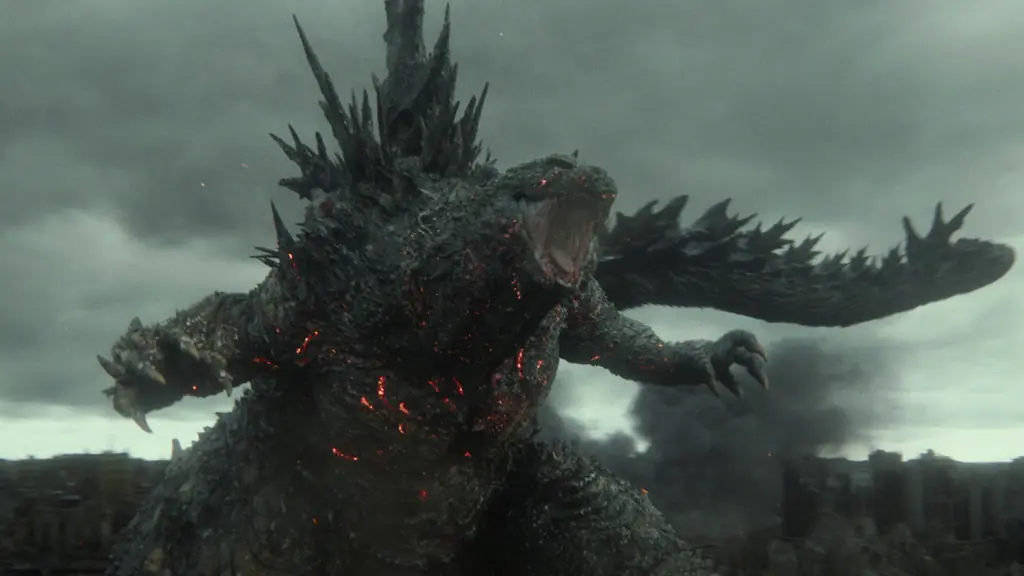
Ultimately, Godzilla Minus Zero successfully carries the torch ignited by its predecessor. While Godzilla Minus One may have been a more focused and concise experience, this sequel is undeniably great. It delivers heart, satisfying monster fights, and world-class sound design that cements its place in the "true and best Godzilla timeline." It's a film worth watching, a testament to the enduring power of kaiju cinema when paired with a compelling human story.
What Worked
- Deeply engaging human story with returning, beloved characters.
- Exceptional sound design that makes every monster impact visceral.
- Monsters are genuinely menacing and terrifying, not just spectacle.
- Satisfying monster-on-monster and human action sequences.
- Thought-provoking exploration of post-war themes.
What Didn't Work
- Less focused narrative with more branching storylines than *Minus One*.
- A compelling character's turmoil felt underutilized as a central plot point.
- The US R-rating seems inconsistent with the film's actual content.
- Occasional visual effects moments show their seams.