Introduction
From the moment Gone Girl hit screens, the buzz was undeniable. Audiences were primed for a psychological deep dive, a "whodunit" that promised to unravel the dark underbelly of a seemingly perfect marriage. The setup is classic: a wife vanishes, leaving behind signs of a struggle, and the husband immediately falls under the harsh glare of public suspicion. It's a scenario ripped straight from the headlines, making viewers instant armchair detectives, scrutinizing every awkward glance and evasive answer.
The Lead Dynamic & The Action
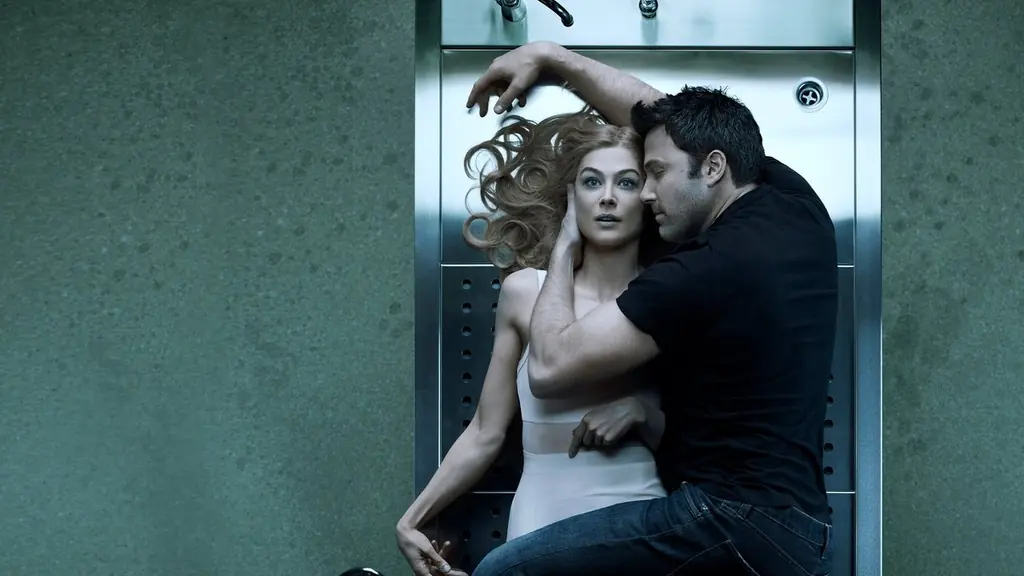
At the heart of this unsettling narrative are the performances. Ben Affleck delivers a solid, if often stoic, portrayal of the husband under siege. However, it's Rosamund Pike who truly commands the screen, delivering a performance so captivating and unsettling that it redefines her career. Her turn here is nothing short of show-stopping, making it impossible to look away. But the surprises don't stop there. Tyler Perry, in a role far removed from his usual fare, is unexpectedly awesome as the sharp-witted lawyer, proving that sometimes, unexpected casting choices yield the most impressive results.

Cameos, Nostalgia & Narrative Stakes
Gone Girl excels at keeping its audience on a knife-edge. The narrative is a relentless series of twists and turns, each one expertly crafted to deepen the mystery rather than bore. As the story unfolds through diary entries and media speculation, the line between victim and perpetrator blurs, leaving viewers constantly questioning who to believe. This isn't a film that ties things up neatly; it's a complex web of deceit that demands your full attention, making you feel like an active participant in the investigation, desperate to uncover the truth before the characters on screen do.
Tone, Direction & Creative Freedom
David Fincher masterfully navigates a tricky tonal balance, blending moments of intense psychological tension with unexpected flashes of dark humor. This isn't a flaw; it's a realistic reflection of life itself, where even in the most dire circumstances, moments of levity can emerge. The film's length, while substantial, is a testament to its engrossing nature. Despite its considerable runtime, the narrative's grip rarely loosens, compelling audiences to stay glued to their seats, even when nature calls. However, a slight tightening of the final act could have elevated an already compelling experience.
The Final Verdict
Gone Girl is a compelling, often uncomfortable, journey into the dark heart of a marriage gone terribly wrong. It's a film that demands your attention, rewards your patience, and leaves a lasting impression. While its length might be a minor point of contention for some, the stellar performances and relentless narrative drive make it an essential watch for anyone craving a truly engrossing thriller. It's the kind of film you'll want to revisit, if only to unravel its intricate layers once more.
What Worked
- Relentless twists and turns keep viewers guessing.
- [[person:10882|Rosamund Pike]] delivers a show-stopping, career-defining performance.
- Surprisingly effective dramatic turn from [[person:80602|Tyler Perry]].
- Engrossing narrative that makes the audience feel like detectives.
- Realistic blend of serious tension and unexpected humor.
What Didn't Work
- Overly long runtime, particularly in the final act.
- Pacing issues towards the end could have been tightened.
- The ending felt a bit drawn out.