
Introduction
From the moment Good Boys kicks off, it promises a raunchy, unfiltered look at pre-teen life, initially feeling like the closest thing to a live-action "South Park" on the big screen. This film plunges a trio of middle schoolers into a tangled web of misadventures, all centered around the monumental goal of one of them finally kissing a girl. The stakes, for these kids, couldn't be higher, and the journey is packed with the kind of "messed up" situations only truly naive adolescents could stumble into.
The Lead Dynamic & The Action
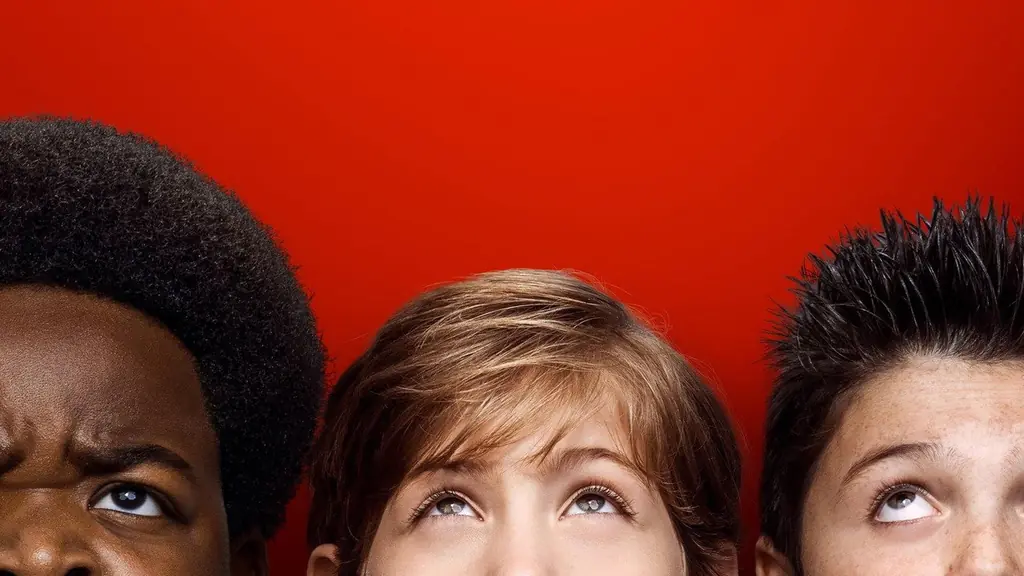
The heart of Good Boys beats strongest with its three leads: Jacob Tremblay, Keith L. Williams, and Brady Noon. Their chemistry is undeniable, making them an endearing and believable group of friends. The film celebrates the often-unfiltered reality of kids when parents aren't around, showcasing their attempts to navigate adult concepts like looking up porn online or understanding sex toys with hilarious, often misguided, innocence. While the film delivers consistent chuckles rather than outright belly laughs, the dynamic between the boys keeps the energy flowing. A standout sequence, easily the funniest in the entire movie, involves a chaotic chase across a freeway, a testament to the trio's comedic timing and the film's commitment to over-the-top antics.
Cameos, Nostalgia & Narrative Stakes
Comparisons to "Superbad" are inevitable, with Good Boys often feeling like a younger, more innocent (yet still raunchy) take on that classic coming-of-age story. The film leans into the idea of kids doing and saying outrageous things, but always with a good-hearted core. However, the narrative sometimes feels like it's just moving from one raunchy scenario to the next without a clear sense of direction. It's only in the final act that the film truly embraces its coming-of-age themes, acknowledging the shifting dynamics of childhood friendships and the bittersweet reality of growing up. Yet, the writing can be uneven; at times, the kids display an adult-like awareness that feels out of place, particularly a moment involving a discussion of consent that, while important, feels like a line inserted for "real-world damage control" rather than a natural character beat.
Tone, Direction & Creative Freedom
Gene Stupnitsky makes his feature film directorial debut with Good Boys, and it shows. While the concept is strong and the performances from the young cast are commendable, the direction often feels messy and unpolished. The film struggles with an uneven tone, occasionally sacrificing organic character development for forced moments that seem designed to avoid potential social media backlash. This perceived need to insert "checklist" lines, even when they don't fit the characters' established naivete, raises questions about the pressures on modern comedy to be "unproblematic" at the expense of natural flow and authenticity. It's a conversation worth having about creative freedom in an age of constant scrutiny.
The Final Verdict
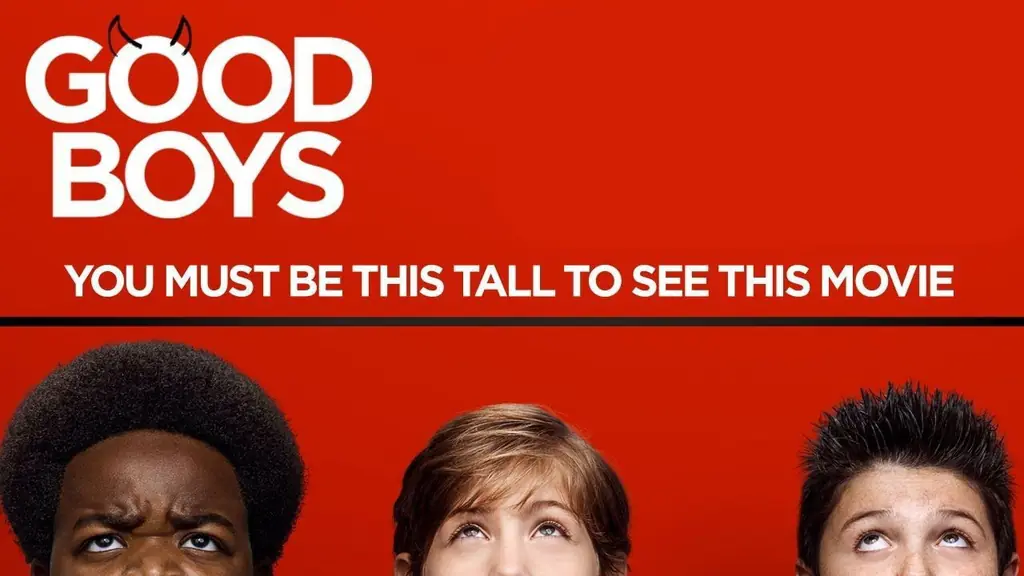
Good Boys is a film with a fantastic premise and an incredibly charming young cast that makes the most of its raunchy, chaotic journey. While it delivers plenty of chuckles and some truly memorable moments, particularly the freeway scene, it's hampered by a somewhat messy directorial hand and an uneven script that occasionally feels forced. It's a fun, if flawed, ride that captures the awkwardness and innocence of pre-teen discovery. If you're in the mood for a "Superbad"-esque adventure with a younger, more naive crew, and don't mind a few bumps in the road, this might just be the party you're looking for.
What Worked
- Endearing and well-cast trio
- Fun, raunchy premise
- Consistent chuckles throughout
- Highlights the awkwardness of pre-teen discovery
- Memorable freeway sequence
What Didn't Work
- Direction feels messy and unpolished
- Humor occasionally wears thin
- Uneven maturity in character writing
- Forced "damage control" dialogue feels out of place



