Introduction
Gravity arrived with a quiet intensity, its trailers shrouded in secrecy, promising little more than Sandra Bullock in space. Yet, the anticipation was palpable for a film that dared to place audiences in the most unforgiving of environments. What unfolded was far from a simple space drama; it was a visceral, heart-pounding journey into the terrifying void.
The Lead Dynamic & The Action
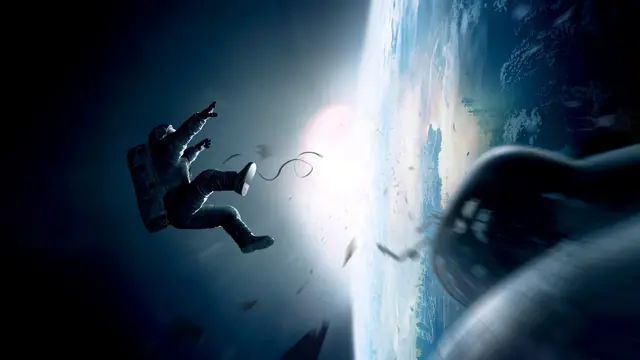
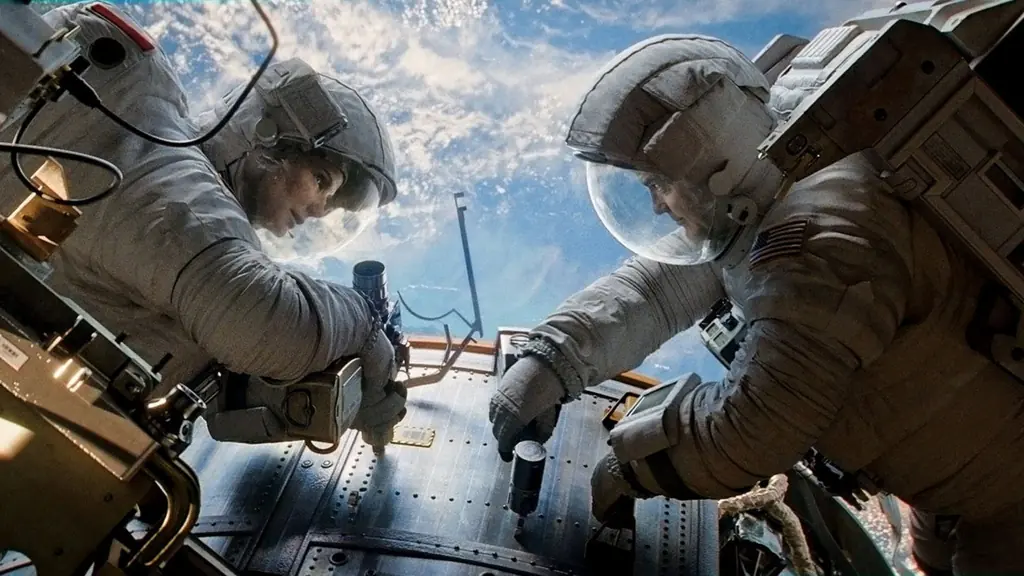
From the moment disaster strikes, the film plunges its audience into an immediate, terrifying reality. What begins as routine maintenance on the Hubble telescope with George Clooney quickly devolves into chaos as a storm of debris transforms the serene expanse into "Normandy Beach times a thousand." Bullock's character, Dr. Ryan Stone, finds herself adrift, her tether severed, in a situation where space itself becomes "disease and danger wrapped in darkness and silence." The film excels at making the audience feel every terrifying second. The visual effects are truly "out of this world," creating a sense of scope and realism that is breathtaking. Whether it's the crystal-clear stars or the stunning views of Earth, the cinematography immerses you completely. The sound design is equally revolutionary; the silence of space is profound, punctuated only by the muffled, internal sounds of Stone's suit – the creak of metal, the sound of unscrewing a bolt, making every small action feel monumental and terrifyingly real.
Cameos, Nostalgia & Narrative Stakes
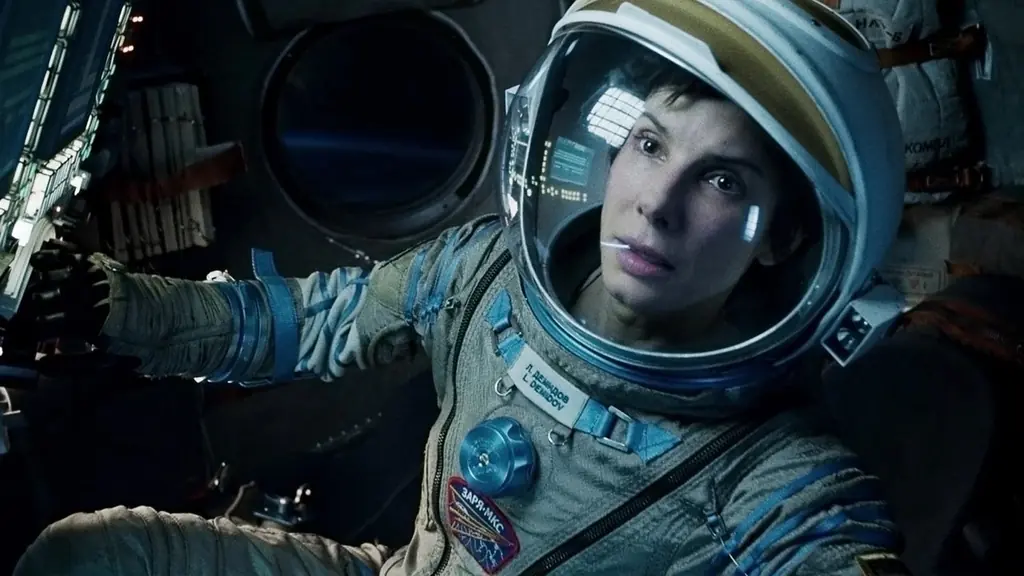
While the film features a limited cast, the narrative stakes are sky-high. This is an ultimate underdog story, where even a seasoned astronaut like James T. Kirk would be a "fledgling" in Stone's impossible predicament. The film strips away all distractions, focusing solely on Stone's desperate fight for survival. There are no unnecessary detours or fan-service; just the raw, primal urge to live against insurmountable odds. The emotional core lies in rooting for Stone, feeling a profound sense of pride as she confronts the overwhelming vastness and danger, constantly pushing through the "too big" and "so much" to find a way back.
Tone, Direction & Creative Freedom
Director Alfonso Cuarón masterfully crafts a tone of relentless tension and awe. The film is an exercise in sustained anxiety, so intense that one reviewer humorously warned against consuming energy drinks beforehand. Yet, amidst the terror, there's an undeniable beauty in the visuals and a powerful emotional resonance in Stone's journey. The direction ensures that every element, from the stunning 3D (which genuinely enhanced the experience for many) to the immersive soundscape, serves to heighten the sense of isolation and the desperate struggle for life. The film feels like a singular vision, uncompromised and bold, allowing the filmmakers to truly "go wild" with their concept.
The Final Verdict
Gravity is an intense, exciting, and visually spectacular achievement. Sandra Bullock delivers an awesome performance, anchoring the film with raw vulnerability and fierce determination. The soundtrack is equally captivating, sinking its claws into you long after the credits roll. This is a film that demands to be experienced, a truly "awesometacular" ride that will leave you breathless and deeply moved.
What Worked
- Visually stunning and realistic space cinematography.
- Intense, heart-pounding, and anxiety-inducing thriller.
- Phenomenal performance by Sandra Bullock.
- Revolutionary sound design that enhances immersion.
- Powerful and emotional underdog survival story.
What Didn't Work
- The relentless, high-stakes tension can be emotionally exhausting.
- A minimalist plot focuses almost entirely on the immediate survival struggle.
- Limited character interactions due to the isolated setting.