
Introduction
After a decade-long hiatus from the director's chair, Mel Gibson returns with Hacksaw Ridge, a film that had audiences buzzing with anticipation. The marketing, notably sidestepping Gibson's name in favor of "from the director of Braveheart," hinted at a cautious re-entry. Yet, what unfolds on screen is anything but cautious. This is a powerful, often shocking, and ultimately uplifting true story that proves Gibson's directorial prowess remains as potent as ever.
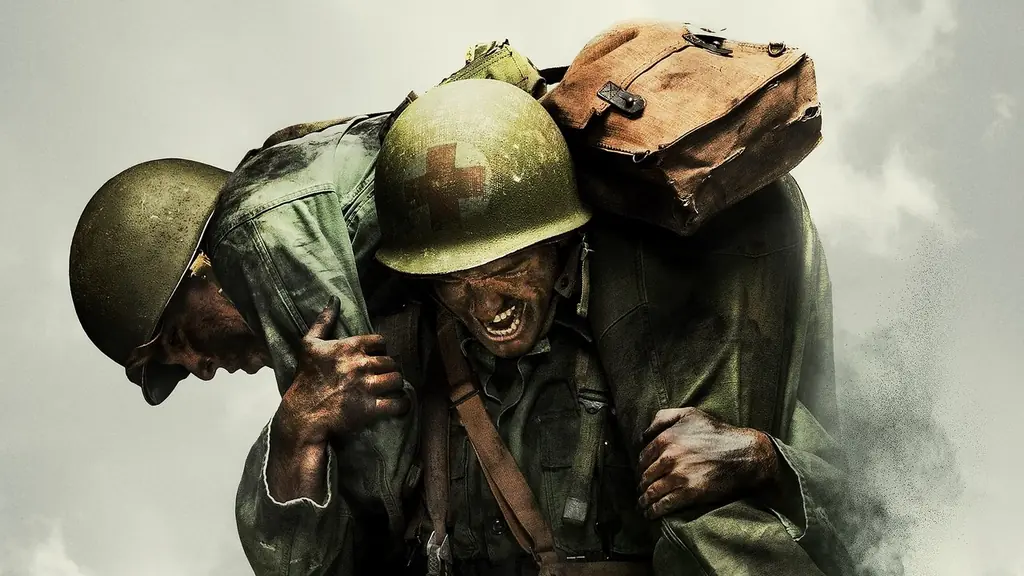
Hacksaw Ridge plunges into the extraordinary life of Desmond Doss, portrayed with heartfelt conviction by Andrew Garfield. Doss, a devout Seventh-day Adventist, enlists in the U.S. Army during World War II with a singular, unwavering conviction: he will serve his country as a medic, but he will not carry a weapon or take a human life. This seemingly impossible stance sets the stage for a narrative that challenges conventional notions of heroism, especially in the brutal theater of war.
The Lead Dynamic & The Action
Andrew Garfield as Desmond Doss is nothing short of brilliant. He embodies an infectious optimism, a sweet and earnest demeanor that makes you root for him from the very first frame. Doss's unwavering belief, born from a troubled youth and a deep-seated pacifism, is the emotional core of the film. He's a character who stands by his convictions even when the entire world, or at least his entire platoon, seems to be against him. It's a testament to Garfield's performance that Doss never feels preachy or naive, but genuinely inspiring.
The supporting cast delivers equally compelling performances that elevate the narrative. Hugo Weaving sheds his iconic roles like Agent Smith and Elrond to portray Doss's alcoholic, abusive father. It's a raw, uncomfortable performance that showcases Weaving's range and adds significant depth to Doss's backstory, explaining the origins of his pacifist stance. It's always a treat to see an actor break free from typecasting and deliver something unexpected.
But perhaps the most surprising and delightful performance comes from Vince Vaughn as Sergeant Howell. Known for his rapid-fire comedic delivery in films like "Wedding Crashers" and "Dodgeball," Vaughn completely transforms into a hardened, no-nonsense drill sergeant. He's tough, he's skeptical of Doss's beliefs, and he delivers a performance that reminds one of David Schwimmer's surprising turn in "Band of Brothers." Vaughn proves he's more than just "Vince Vaughn playing Vince Vaughn," demonstrating a dramatic depth that is both refreshing and impactful. His portrayal adds a crucial layer of conflict and eventual respect to Doss's journey.
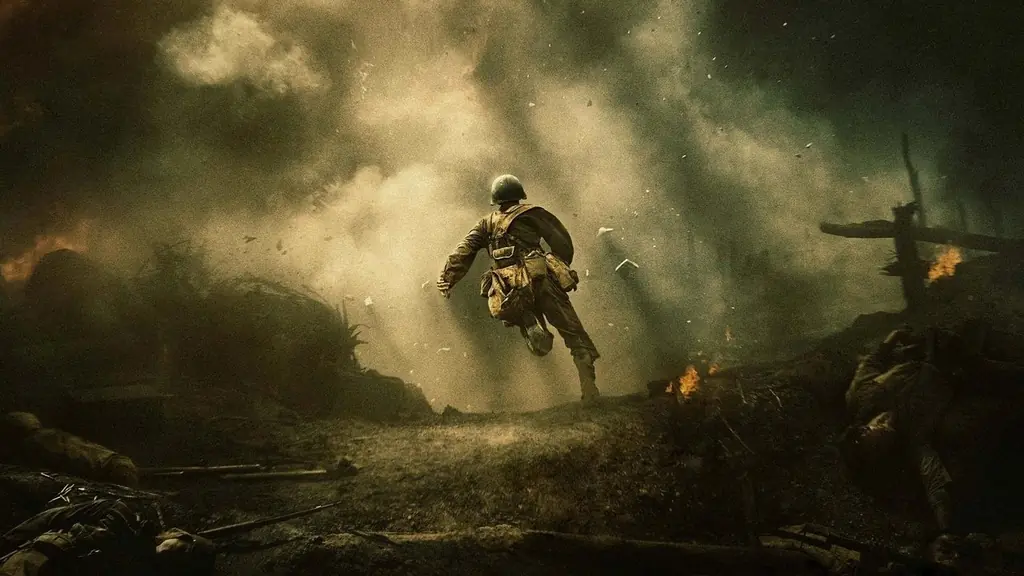
Mel Gibson's reputation for visceral, in-your-face violence is well-earned, and Hacksaw Ridge is no exception. The film is effectively "two movies in one." The first half meticulously builds Doss's character and his struggle to maintain his beliefs within the military system. Then, the second half hits like a truck. The transition to the battlefield of Hacksaw Ridge is sudden, brutal, and shocking. It's a stark, unflinching depiction of war that doesn't shy away from the gore and chaos. This abrupt shift is incredibly effective, immersing the audience in the horrors of combat after spending so much time with Doss's personal journey.
Cameos, Nostalgia & Narrative Stakes
While the film doesn't rely on cameos, it masterfully balances the personal stakes of Desmond Doss with the overarching brutality of World War II. The narrative is tightly focused on Doss's experience, making his struggle to save lives without taking any feel incredibly personal and urgent. The film doesn't just tell you about the war; it makes you feel it, especially once the action moves to the front lines.
The religious aspect of Doss's character is handled with nuance. His faith is presented as the bedrock of his convictions, a strong personal perspective that drives his actions. However, the film wisely avoids alienating non-religious viewers. The core message of optimism, the indomitable human spirit, and the desire to save lives transcends any specific religious doctrine. It's about a man's unwavering moral compass in the face of unimaginable horror, a universal theme that resonates deeply.
Tone, Direction & Creative Freedom
Mel Gibson's direction is precise and impactful. He understands how to craft intense action sequences that are both chaotic and clear, allowing the audience to follow the harrowing events on screen. The violence is not gratuitous but serves to underscore the sheer brutality of war, making Doss's actions all the more heroic. The film's pacing, particularly the jarring shift from character drama to intense war epic, is a bold choice that pays off, creating a powerful emotional arc.
In a year that felt particularly divisive and cynical (2016), Hacksaw Ridge emerged as a beacon of hope. It's an uplifting story about a genuinely good person who wants to save lives, not take them. This message of optimism and the triumph of the human spirit feels incredibly relevant and necessary, offering a powerful counter-narrative to the prevailing negativity.
The Final Verdict
Hacksaw Ridge is an awesometacular cinematic experience that grabs you from the start and doesn't let go. It's a film filled with great performances, particularly from Andrew Garfield, Vince Vaughn, and Hugo Weaving, and a heart that swells with pride and emotion. While the final act feels a bit rushed, as if a longer cut was trimmed down, it doesn't detract significantly from the overall impact. This is a powerful, moving, and ultimately inspiring war film that celebrates an extraordinary act of courage and conviction. It's one of the most uplifting stories of its year and comes highly recommended for anyone seeking a truly impactful cinematic journey.
What Worked
- Andrew Garfield's compelling and optimistic portrayal of Desmond Doss.
- Vince Vaughn's surprising and effective dramatic turn as Sergeant Howell.
- Hugo Weaving's powerful performance as Doss's abusive father.
- Mel Gibson's unflinching and impactful direction of brutal war sequences.
- An uplifting story about the human spirit and unwavering conviction.
- The effective "two movies in one" structure, with a shocking transition to war.
What Didn't Work
- The final act feels somewhat rushed and montaged, as if a longer cut was edited down.
- The abrupt ending leaves a desire for more narrative resolution.



