
Introduction
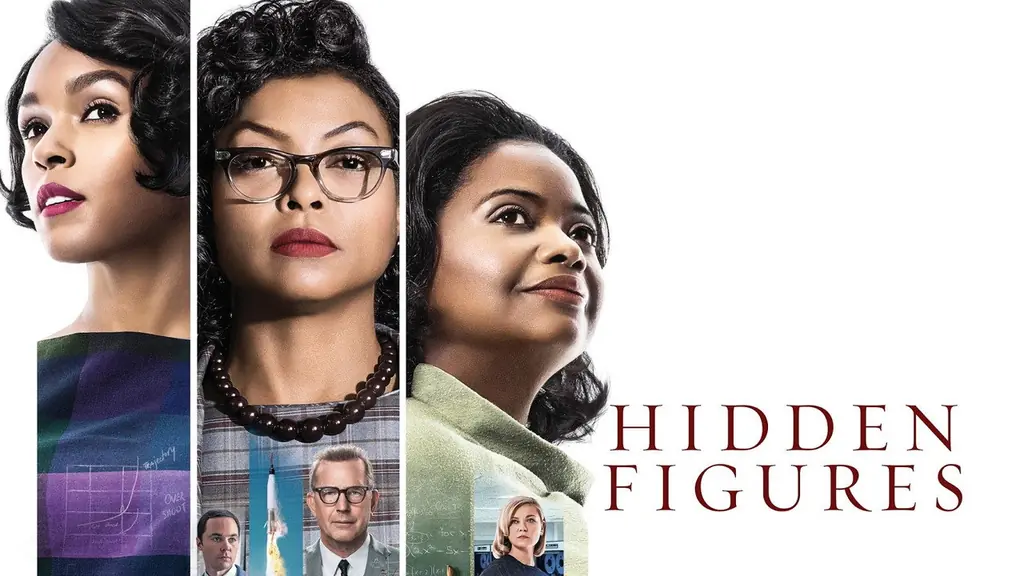
The space race was a monumental clash of titans, a Cold War sprint to the stars that captivated the world. Yet, behind the iconic launches and heroic astronauts, an equally compelling battle was being fought on the ground, one fueled by brilliant minds often overlooked by history. Hidden Figures arrives to finally tell that astonishing true story, pulling back the curtain on the unsung Black women whose mathematical genius propelled NASA forward, even as they navigated a deeply segregated society. This isn't just a historical drama; it's a vital uncovering of a pivotal, yet largely unknown, chapter in American innovation.
The Lead Dynamic & The Action
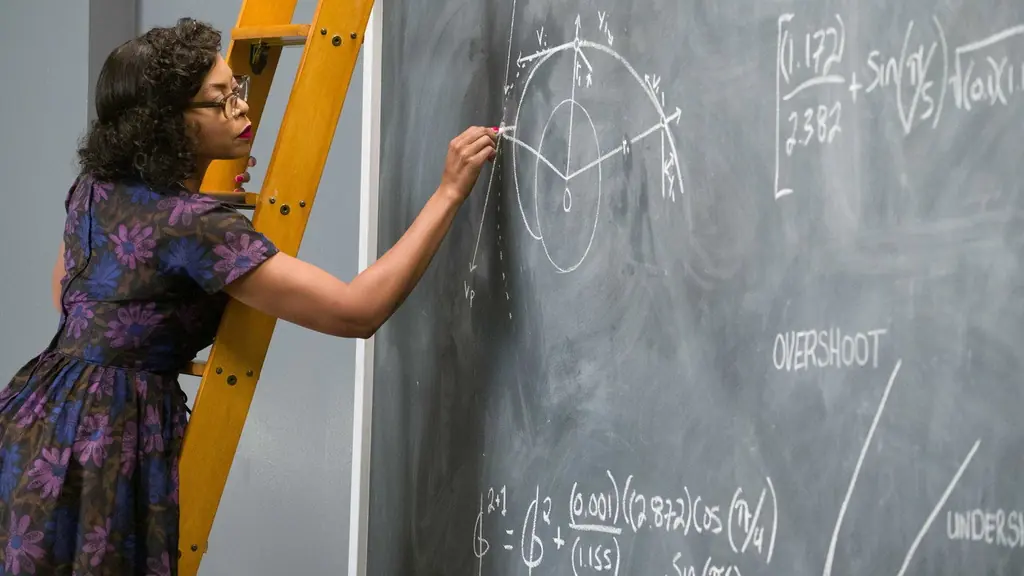
At the heart of Hidden Figures are three extraordinary women, brought to life with captivating performances. Taraji P. Henson shines in a role that perfectly showcases her range, embodying a mathematical prodigy whose intellect is as boundless as the cosmos she helps conquer. Her character's journey is a constant push and pull: taking one step forward only to face ten steps back as the demands of NASA's mission constantly shift. The film masterfully illustrates the sheer mental load and pressure she endures, a testament to her unparalleled skill.
Alongside her, Octavia Spencer delivers a powerful performance, portraying a woman who understands the shifting tides of progress and the necessity of adaptability. The collective strength and resilience of these women, recognizing the need to navigate a world not yet ready for their brilliance, forms the emotional core of the film. Even Kevin Costner finds his stride in a supporting role, delivering a standout scene that powerfully underscores his character's quiet defiance against the prevailing segregation. The "action" here isn't in explosions, but in the thrilling intellectual pursuit and the quiet, courageous acts of challenging the status quo.
Cameos, Nostalgia & Narrative Stakes
Hidden Figures excels at immersing viewers in the historical context of the 1960s, a time when the concept of women, let alone Black women, in such critical scientific roles was revolutionary. The film doesn't shy away from depicting the systemic racism and sexism these pioneers faced daily, from segregated restrooms to dismissive colleagues. It's a stark reminder of the non-progressive times, yet it frames these challenges not as insurmountable barriers, but as obstacles to be ingeniously overcome.
While the film's primary focus is on their groundbreaking work, it also attempts to weave in elements of their personal lives. This balance, often tricky in biopics centered on careers, occasionally bogs down the narrative. The romantic subplots, in particular, feel less compelling than the high-stakes drama unfolding at NASA. While understanding their lives beyond work is crucial for character depth, the film struggles to integrate these personal moments seamlessly, leaving audiences more invested in the equations than the engagements. Despite this, the narrative stakes remain incredibly high, driven by the urgency of the space race and the profound impact of these women's contributions.
Tone, Direction & Creative Freedom
Theodore Melfi’s direction strikes a commendable balance, presenting a story that is both deeply informative and genuinely entertaining. The tone is one of inspiring resilience, celebrating intellectual prowess without ever feeling academic or dry. The film serves as a powerful reminder of the countless untold stories that lie hidden within history, stories that deserve to be brought to light. It’s clear that the filmmakers were given the freedom to craft a narrative that not only educates but also uplifts, showcasing the triumph of human spirit and intellect against formidable odds. The pacing generally keeps the audience engaged, even when tackling complex mathematical concepts, making the intellectual "action" feel as thrilling as any physical feat.
The Final Verdict
Hidden Figures is more than just a movie; it's a vital historical document brought to vibrant life. It's a fascinating, often infuriating, but ultimately triumphant account of brilliance denied and eventually recognized. The film is a testament to the power of cinema to unearth forgotten heroes and share their incredible journeys with a wider audience. For anyone who loves a true story of overcoming adversity, or simply wants to witness the sheer power of human intellect, this film is a must-see. It's a good time at the movies, no special ingredients required, just an important story told well.
What Worked
- Unearths a crucial, untold chapter of history.
- Exceptional performances, especially from [[person:40036|Taraji P. Henson]] and [[person:6944|Octavia Spencer]].
- Highlights the immense intellectual power of the protagonists.
- Effectively portrays the challenges of racism and sexism in the era.
- Inspiring and informative without being preachy.
What Didn't Work
- Romantic subplots occasionally slow down the main narrative.
- Balancing personal lives with career focus could be smoother.
- The "bummer" of the main character being held back by her time.



