Introduction: A Familiar Game, A Forgettable Film
Video game adaptations often arrive with a heavy burden of expectation, and Hitman: Agent 47 was no exception. Audiences hoped for a faithful, thrilling big-screen translation of the iconic bald assassin. What they received, however, was a film that largely upheld the unfortunate tradition of turning beloved game franchises into cinematic disappointments. From the outset, the movie bombards viewers with an information overload, attempting to catch them up on a convoluted plot involving genetically altered agents and shadowy organizations. It's a narrative dump that leaves little room for genuine engagement, forcing exposition down the audience's throat without earning their investment. The result is a story that feels less like a compelling thriller and more like a messy, disjointed briefing.
The Lead Dynamic & The Action: Silent Stalker, Loud Explosions
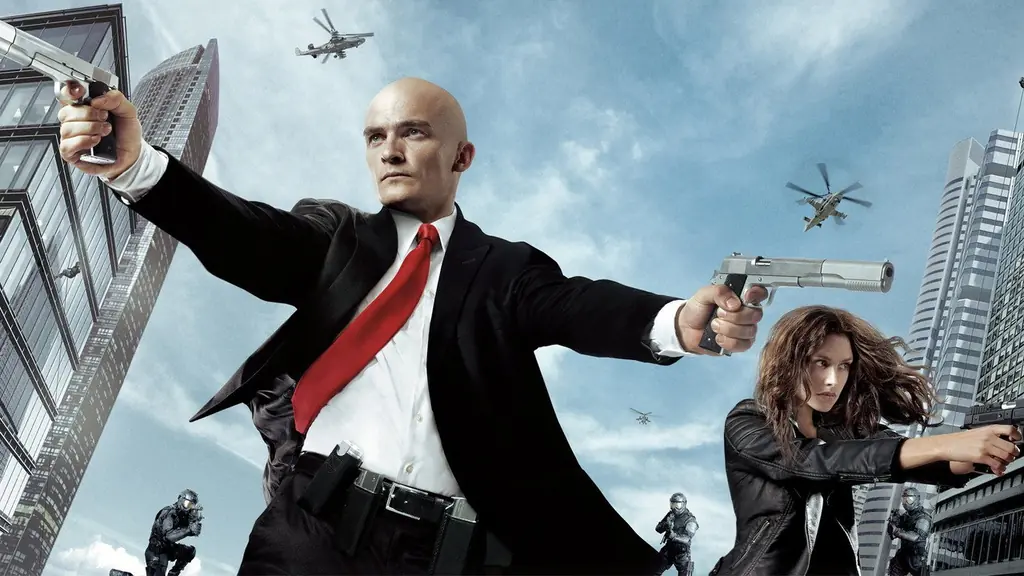
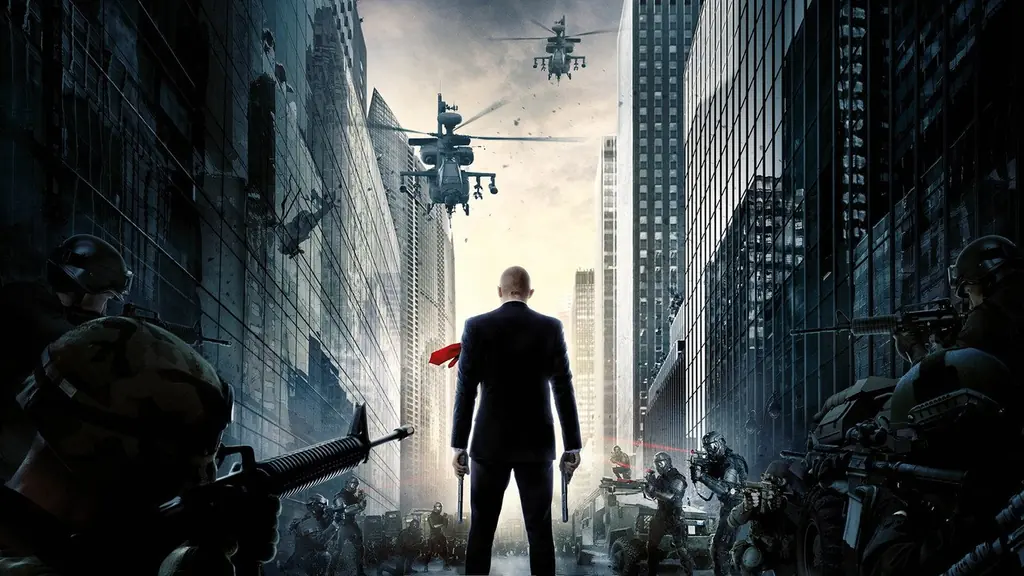
One of the few bright spots in Hitman: Agent 47 is the titular character himself, portrayed by Rupert Friend. Despite the film's overall struggles, Agent 47 brings a certain undeniable presence to the screen. He's a stone-cold, emotionless killer, and it's precisely this detached demeanor that makes him a compelling figure. He moves with a chilling efficiency, a true badass who injects a much-needed pulse into an otherwise lifeless narrative. The film attempts to channel the visceral, close-quarters combat of films like John Wick, delivering a barrage of "blam blam headshot" action sequences that are undeniably neat. Agent 47's accuracy is almost supernatural, capable of shooting a gun out of an opponent's hand with surgical precision. Yet, this very precision sometimes works against the film, raising questions about why he doesn't simply end threats more directly, especially when facing characters like Zachary Quinto's character, who boasts "Kevlar skin."
However, the film's attempts at stylistic action often clash with its own internal logic. A recurring visual gag, or perhaps a narrative oversight, involves Agent 47's peculiar gait. While his targets, including Hannah Ware's character and Zachary Quinto, are running for their lives, Agent 47 merely walks. Yet, he consistently remains right behind them, an almost supernatural, Jason Voorhees-esque persistence that feels out of place in a modern action flick. What might have worked in a campy 80s slasher film feels jarring and unrealistic here, pulling the audience out of the experience rather than immersing them in the chase.
Cameos, Nostalgia & Narrative Stakes: A Psychic Plot Hole
The plot of Hitman: Agent 47 is, to put it mildly, a wreck. It's a convoluted mess that struggles to maintain any semblance of cohesion. The narrative introduces Hannah Ware's character, Katia van Dees, as exceptionally intelligent, capable of deconstructing situations and predicting probabilities like a modern-day Sherlock Holmes. However, this ability quickly devolves into something far less grounded, bordering on psychic powers. She starts seeing images, touching hands to gain insights, and even "seeing" Agent 47 walking into a building despite never having encountered him before. The film never clarifies the extent or nature of her abilities, leaving viewers to wonder if she's a genius or simply clairvoyant. This lack of detail and clarity suggests that the filmmakers themselves weren't entirely sure what they wanted to do with her character, leading to a significant plot hole that undermines any potential narrative stakes.
Tone, Direction & Creative Freedom: A Dialogue Disaster
Aleksander Bach's direction attempts to infuse the film with a sleek, action-heavy aesthetic, but it's consistently hampered by a truly abysmal script. The dialogue in Hitman: Agent 47 is, frankly, terrible. There's a particularly memorable scene where Zachary Quinto's character, after being stabbed, flexes to break the knife, only to deliver a "cheesy ass line" that completely deflates the moment. Had he remained silent, the visual would have been far more impactful. This exemplifies a broader issue: for every neat, stylistic action beat—like Agent 47 springing up from his back to shoot behind him—there are three or four moments that are just plain dumb, often due to clunky exposition or cringe-worthy dialogue. The film's tone is inconsistent, oscillating between serious action and unintentional comedy, never quite finding its footing. It feels like a movie that didn't quite know what it wanted to be, resulting in a lack of creative freedom to truly excel.
The Final Verdict: A Forgettable Mission
Ultimately, Hitman: Agent 47 is a film that, despite a few fleeting moments of stylish action and a compelling lead performance from Rupert Friend, fails to leave a lasting impression. The plot is a convoluted mess, the dialogue is often laughable, and the narrative cohesion is virtually nonexistent. While some of the shootouts are "pretty neat" and Agent 47 himself is an enjoyable presence, these elements aren't enough to salvage a movie that feels like a missed opportunity. It's the kind of film you'll likely forget within a couple of hours of watching it, a testament to its overall lack of impact. While it might offer some mindless entertainment for fans of over-the-top action, those seeking a coherent story or memorable characters will find themselves largely disappointed. It's a film that, much like its protagonist, moves with a certain efficiency, but ultimately goes nowhere particularly interesting.
What Worked
- Rupert Friend delivers a compelling, emotionless performance as Agent 47.
- Some action sequences are stylish and feature impressive headshot accuracy.
- Agent 47's "Jason Voorhees-like" persistent walking is uniquely memorable.
- A few visually "neat" and creative action beats stand out.
What Didn't Work
- The plot is a convoluted, messy, and often incoherent wreck.
- Dialogue is consistently poor, with many "cheesy ass lines."
- The female lead's "psychic" abilities are ill-defined and create plot holes.
- The film struggles with inconsistent tone and narrative logic.
- Ultimately forgettable, failing to leave a lasting impression.