
Introduction
From the moment the concept of gargoyles battling demons hit the airwaves, I, Frankenstein promised a wild, if potentially messy, ride. Audiences were primed for a creature feature that dared to be different from the usual werewolf and vampire fare. While initial trailers might have suggested a cinematic misstep, the film ultimately carves out a niche as a peculiar, yet undeniably watchable, experience.
The Lead Dynamic & The Action
At the heart of this supernatural conflict is Aaron Eckhart as Frankenstein's monster, caught squarely between warring factions of gargoyles and demons. Eckhart commits fully to the role, delivering a performance that, while occasionally veering into overacting, clearly aims to elevate the material. His monster, however, presents a curious design choice; rather than a truly grotesque creation, he appears more like "Ryan Gosling with some stitches," lacking the asymmetrical, varied physicality one might expect from a being stitched together from disparate parts.
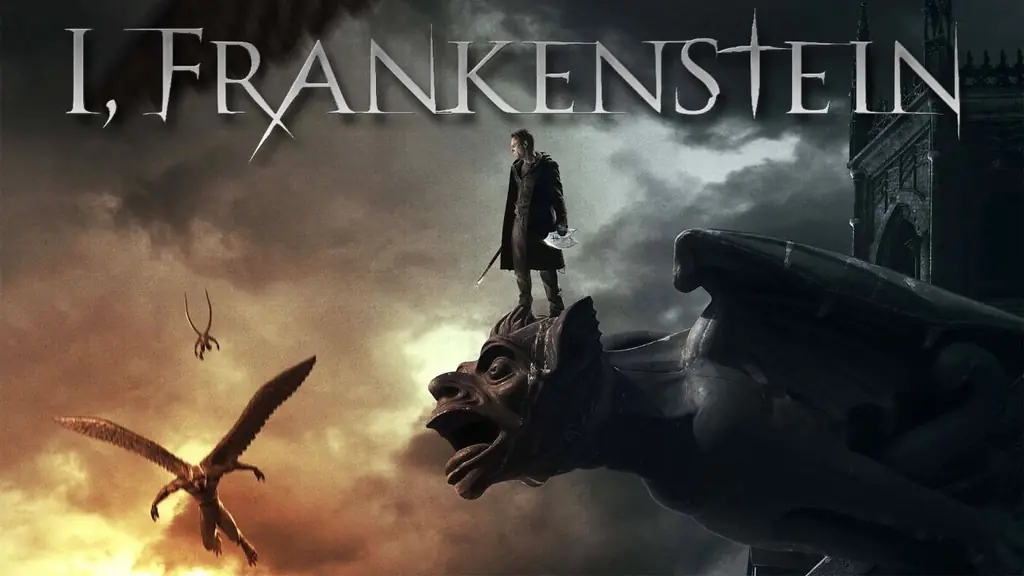
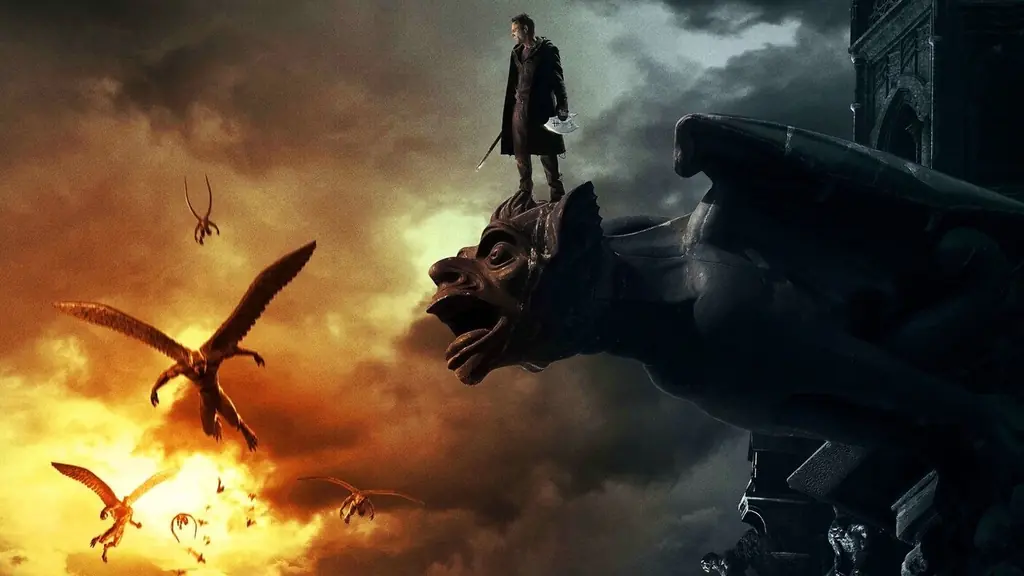
Despite its narrative shortcomings, I, Frankenstein delivers on its promise of chaotic action. The film is packed with sequences of gargoyles tearing demons in half mid-air and demons cracking gargoyles over the head. While some of the CGI might be described as "shitty," the sheer, unbridled monster-on-monster violence provides a certain visceral enjoyment that keeps the energy surprisingly high.
Cameos, Nostalgia & Narrative Stakes
The plot of I, Frankenstein is, by most accounts, a "messy, sloppy ass" affair. Yet, its core premise of good versus evil, with Frankenstein's monster as a reluctant participant, remains simple enough to grasp. The monster's refusal to align with either side, declaring "I don't care about your War, I care about me," establishes him as a compelling wild card—a character driven by self-preservation in a world that has only ever disappointed him.
Bill Nighy appears as the leader of the demons, delivering a performance that, while consistent with his established villainous persona, feels somewhat uninspired and typecast. The film struggles to balance its creature-feature spectacle with genuine narrative stakes, often relying on the simple allure of its premise rather than intricate storytelling.
Tone, Direction & Creative Freedom
Under the direction of Stuart Beattie, I, Frankenstein embraces a tone that is less about critical acclaim and more about pure, unadulterated genre fun. It occupies a similar cinematic space to films like Van Helsing or Street Fighter—movies that, despite their flaws, become cherished "guilty pleasures" for a dedicated audience. The film's release strategy in the "latter third of the month of January" suggests a self-awareness, positioning itself as a comparative relief after a season of "cinematic diarrhea." It's a movie that knows what it is: a spectacle designed to be enjoyed without overthinking, perhaps even better with a relaxed mindset.
The Final Verdict
I, Frankenstein is not a conventionally "good" movie, but it absolutely excels as a "guilty pleasure." It's the kind of film that teenagers might memorize lines from, carrying its bizarre charm into adulthood. For those who appreciate over-the-top action, a simple good-versus-evil premise, and a monster who just wants to be left alone, this film delivers. It's a chaotic, monster-mashing spectacle that finds its true calling as a fun, unpretentious diversion.
What Worked
- Aaron Eckhart's committed performance as the monster.
- The intriguing "wild card" concept for Frankenstein's monster.
- Chaotic, over-the-top action sequences with gargoyles and demons.
- Perfect for a "guilty pleasure" movie night.
What Didn't Work
- A messy, sloppy, and often nonsensical plot.
- Unconvincing monster design for Aaron Eckhart's character.
- Reliance on "shitty CGI" in action scenes.
- Bill Nighy's uninspired, typecast villain performance.



