
Introduction
The allure of a space thriller, especially one set on the International Space Station, is undeniable. I.S.S. arrived with a premise that immediately captured attention: American astronauts and Russian cosmonauts, coexisting peacefully in orbit, suddenly find their fragile alliance shattered by a nuclear war breaking out on Earth. The initial setup is nothing short of brilliant, posing a chilling question: what happens when global conflict reaches the ultimate neutral ground?
The Lead Dynamic & The Action
From the outset, I.S.S. establishes a compelling "antitrust" dynamic. The film excels in its first half by immersing the audience in the American astronauts' paranoia, mirroring their lack of information. Every glance, every whispered conversation, every peek around a corner by a Russian cosmonaut, becomes loaded with suspicion. This masterful manipulation of uncertainty is where the film truly shines, keeping viewers on the edge of their seats, constantly questioning who to trust. The cast of six, including Ariana DeBose, Chris Messina, John Gallagher Jr., Masha Mashkova, Costa Ronin, and especially Pilou Asbæk, delivers solid performances, particularly Asbæk, whose casting inherently brings an element of distrust that perfectly serves the film's early intrigue.
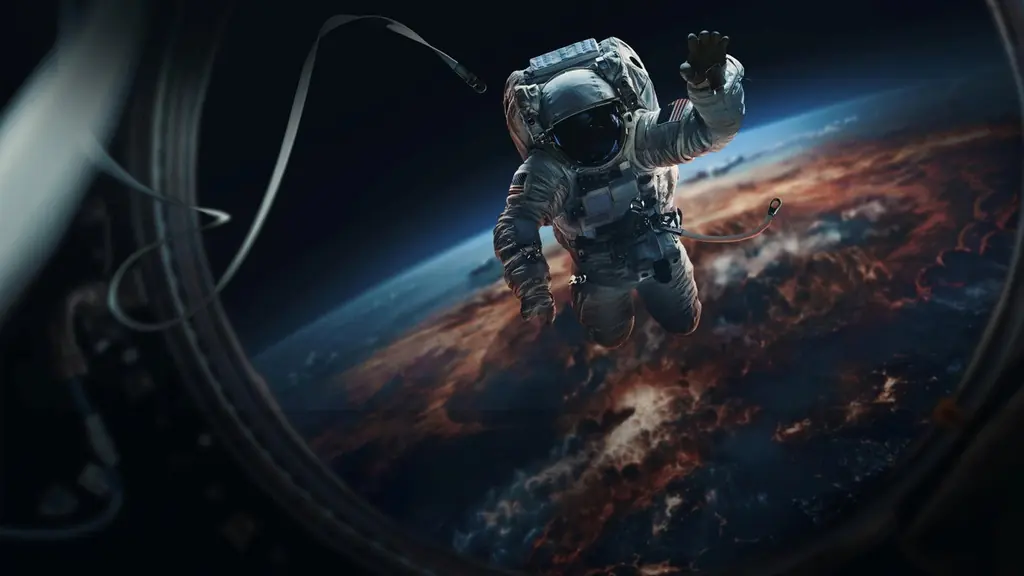
Cameos, Nostalgia & Narrative Stakes
However, the film's initial brilliance slowly gives way to a frustrating predictability. The "thrill of not knowing," which was its greatest asset, is unfortunately compromised when the narrative begins to reveal its hand too early. It's akin to a magic trick where the illusion is spoiled by showing the audience how it's done. What begins as a unique, high-stakes psychological thriller devolves into a generic genre exercise, feeling like a story seen many times before, albeit with a different backdrop. The final act, in particular, takes a sharp, bewildering turn into the cartoony, featuring a scene that "jumps the space shark" and feels entirely out of place. This sloppy execution undermines all the carefully built tension, leaving a sense of wasted potential.
Tone, Direction & Creative Freedom
Directed by Gabriela Cowperthwaite, I.S.S. struggles to maintain a consistent tone. While the initial direction effectively builds claustrophobic tension, the film ultimately loses its way, failing to capitalize on its own ingenious setup. The contrast between the film's potential and its reality is stark, leaving many to wonder what could have been – a "Crimson Tide in space," perhaps. The ending, rather than providing a satisfying conclusion, feels abrupt and unfulfilling, as if the filmmakers simply ran out of ideas, leaving audiences with a collective groan of disappointment.
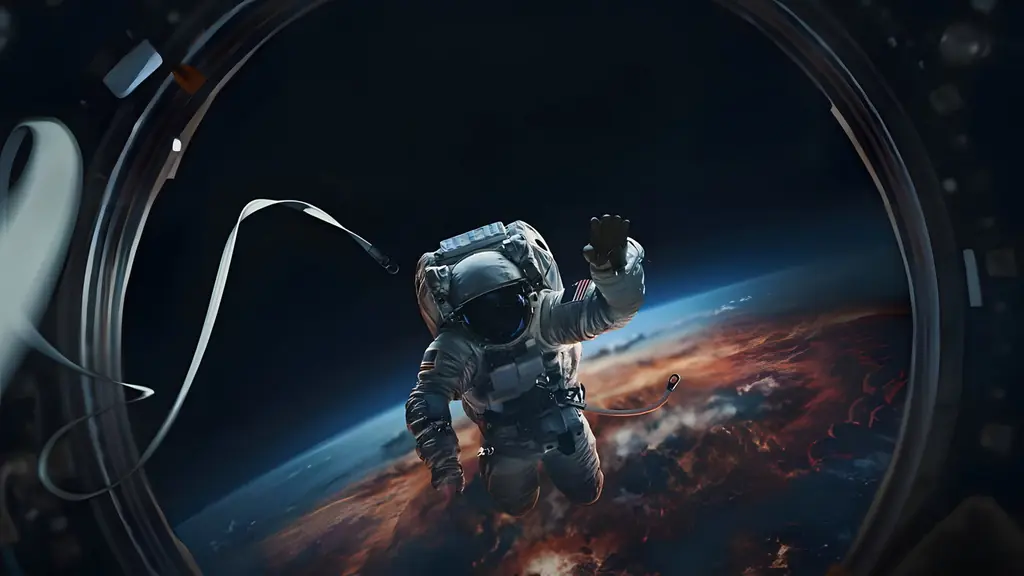
The Final Verdict
I.S.S. is a film of two halves. Its first act is a masterclass in suspense, leveraging a timely and terrifying premise to create genuine intrigue. Yet, it ultimately squanders this goodwill, transforming into a forgettable thriller that fails to stick the landing. While the cast delivers commendable performances, the narrative choices in the latter half prevent it from achieving true greatness. It's a film that promises the stars but delivers only a fleeting glimpse of their brilliance before fading into the void.
What Worked
- Brilliant and timely premise of Cold War paranoia in space
- Engaging "who do you trust?" dynamic in the first half
- Effective use of limited information to build suspense
- Strong performances from the ensemble cast, especially Pilou Asbæk
What Didn't Work
- Loses its unique tension and devolves into a generic thriller
- The "thrill of not knowing" is prematurely compromised
- Final act becomes cartoony and feels out of place
- Unfulfilling and abrupt ending leaves audiences disappointed
- Squanders its immense potential for a truly memorable experience



