
Introduction
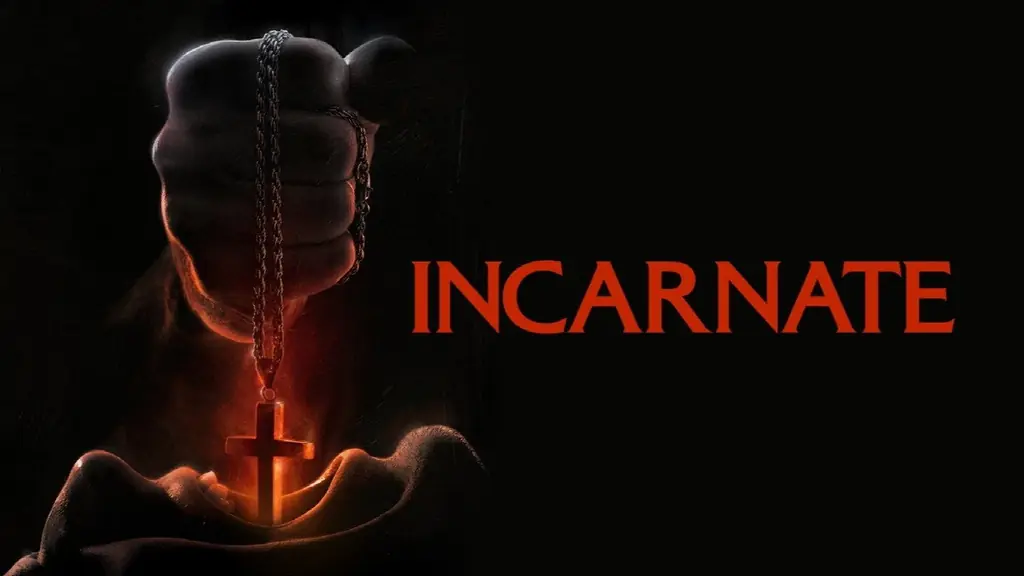
Every November and December, Hollywood rolls out its Oscar hopefuls, but sometimes, a different kind of film sneaks into the mix. Enter Incarnate, a horror-thriller that promised a fresh, mind-bending twist on the age-old exorcism tale. With Aaron Eckhart leading the charge as a psychic who literally dives into the minds of the possessed, the anticipation was for something akin to "Inception" meeting "The Exorcist". The concept alone was enough to pique interest, suggesting a departure from traditional religious horror.
The Lead Dynamic & The Action
What truly sets Incarnate apart, at least on paper, is its innovative approach to demonic possession. This isn't your typical battle against hellish entities; instead, the film posits that these "demons" are energy parasites, latching onto human auras. It’s a fascinating, non-religious explanation that offers a refreshing angle. The core appeal lies in watching Aaron Eckhart's character navigate these internal landscapes, a psychic journey to confront and expel these parasitic forces. This "inside the mind" dynamic, regardless of the specific plot, always holds a certain intrigue for audiences.
Cameos, Nostalgia & Narrative Stakes
Despite its compelling premise, the execution of Incarnate often falters. The narrative struggles with significant pacing issues, making parts of the film feel like a laborious watch. There are moments that feel entirely detached from the main plot, almost as if they were shoehorned in during reshoots to extend the runtime. A particularly jarring scene involves a character's sudden, seemingly pointless death that adds nothing to the story, leaving viewers questioning its inclusion. The film often feels less like a cohesive theatrical release and more like an hour-long TV episode stretched thin to meet a feature-length requirement. While Aaron Eckhart delivers a commendable effort, the young actor playing the possessed child, known for his stoic portrayal of Bruce Wayne in "Gotham", maintains a consistently monotone performance that, while fitting for his character, can feel one-note across his roles.
Tone, Direction & Creative Freedom
Under Brad Peyton's direction, Incarnate attempts to blend horror with a psychological thriller, but the tone often feels inconsistent. The film never quite achieves the dark, intense atmosphere one might expect from its subject matter. Instead, it leans into a more subdued, almost made-for-television aesthetic. This isn't a film that pushes boundaries or revels in creative freedom; rather, it feels constrained, as if designed to be a casual watch rather than a gripping cinematic experience. The overall impression is that of a movie best enjoyed without high expectations, perhaps as background viewing on a streaming service.
The Final Verdict
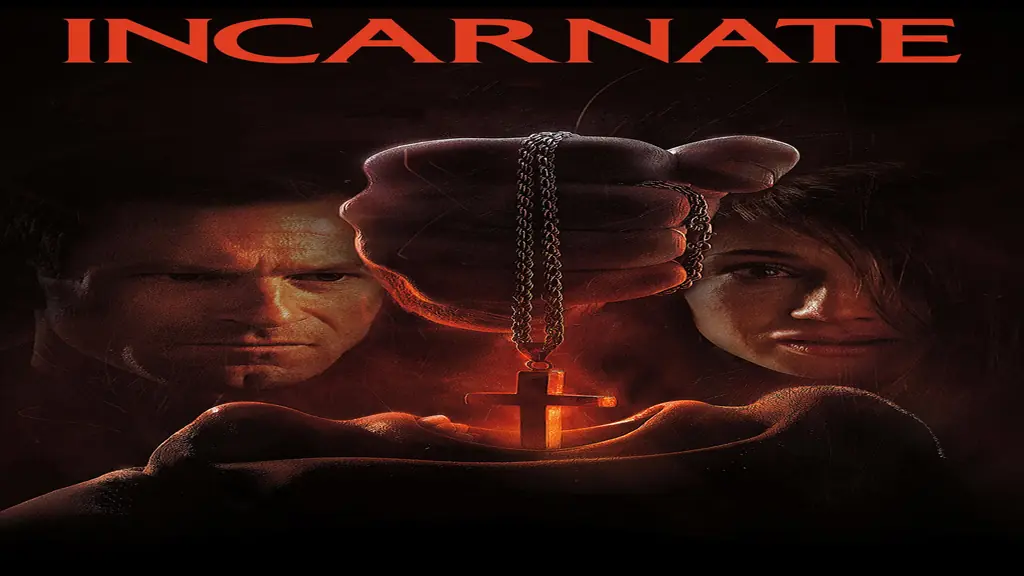
Ultimately, Incarnate is a film of missed opportunities. Its genuinely fresh concept of energy parasites and psychic exorcisms is its strongest asset, but it's let down by a muddled script, uneven pacing, and an execution that never quite lives up to its potential. While Aaron Eckhart gives it his all, the film struggles to maintain engagement, often feeling like a stretched-out television special. For those seeking a truly dark or impactful horror experience, this isn't it. It's the kind of movie you might stumble upon on a streaming platform, perhaps best enjoyed with a relaxed, uncritical mindset. Aaron Eckhart deserves better, and so do audiences looking for a truly memorable genre entry.
What Worked
- Unique, non-religious take on demonic possession.
- Intriguing concept of psychic mind-diving exorcisms.
- [[person:6383|Aaron Eckhart]]'s committed performance in a challenging role.
What Didn't Work
- Significant pacing issues and narrative drag.
- Detached, unnecessary plot points that add little to the story.
- Overall poor execution of a promising premise.
- Feels like a stretched-out television episode rather than a feature film.



