
Introduction
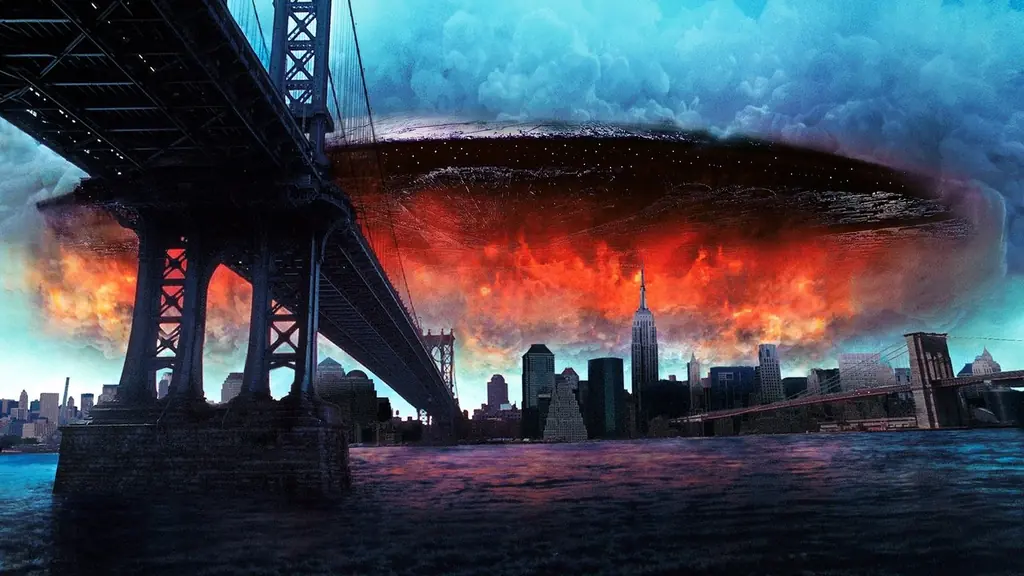
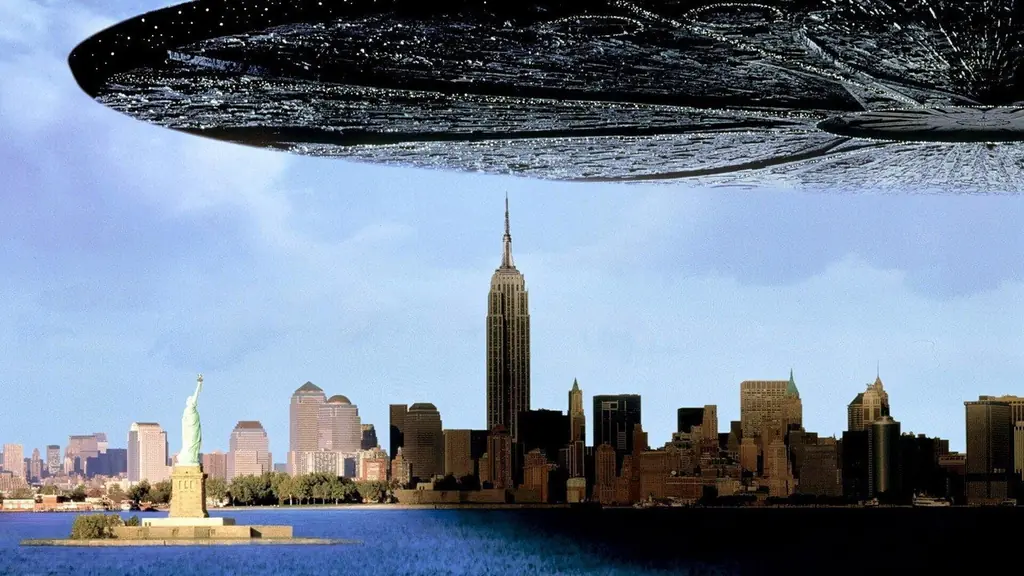
In the summer of 1996, a cinematic phenomenon descended upon theaters, much like the colossal alien ships that dominated its iconic trailer. Independence Day wasn't just a movie; it was an event. The simple yet devastating teaser – alien ships arriving, then the White House exploding – was enough to send audiences into a frenzy, guaranteeing packed houses and a cultural moment that defined the era's fascination with extraterrestrial encounters. This was the film that demanded advance tickets, lest you be relegated to the dreaded front row, craning your neck to witness the spectacle.
The Lead Dynamic & The Action
While the aliens brought the destruction, it was Will Smith who brought the star power. Though already known from "Bad Boys," Independence Day catapulted him into the stratosphere as a bona fide action superstar. His Marine pilot character, Captain Steven Hiller, injected a much-needed dose of charisma and humor, elevating the film beyond mere disaster porn. From the moment he punches an alien in its biomechanical suit – a moment so audacious it drew cheers from audiences – it's clear he's the heart of the human resistance.
The film's first act is a masterclass in tension building. The arrival of the ships, the fiery descent through the atmosphere, and the ominous music cues all set the stage for an unprecedented level of cinematic destruction. No disaster sequence before it had felt quite so grand, so relentless. And the audience reaction was palpable: cheers erupted not just for Will Smith's quips, but even for a dog narrowly escaping a fiery blast. It's a testament to the film's ability to connect on a visceral, crowd-pleasing level.
Cameos, Nostalgia & Narrative Stakes
Independence Day embraces a plot that is, at its core, delightfully straightforward: aliens come, they blow things up, and then we blow them up. This simplicity, however, allows for a blend of humor, action, and even a touch of horror. The film's narrative stakes are clear, even if some of the character motivations and plot devices feel distinctly 90s. For instance, the character of David Levinson, played by Jeff Goldblum, is a brilliant scientist who, despite being divorced for three years, still wears his wedding ring and projects insecurities onto his ex-wife. Similarly, Captain Hiller's girlfriend being a stripper is presented as a potential impediment to his career, a perspective that time has certainly shifted.
While the setup and the initial destruction are epic, the film does hit a lull in its second act. The storyline involving Randy Quaid's character, Russell Casse, and his family, while eventually paying off, feels drawn out. And then there's the infamous "computer virus" plot point – a leap of logic so grand it requires audiences to simply "enjoy the mayhem" rather than deconstruct the mechanics of uploading a virus to alien technology. It's a moment that, even at the time, stretched credulity, but it's also part of the film's charm: it asks you to suspend disbelief and just go with the ride.
Tone, Direction & Creative Freedom
Roland Emmerich's direction masterfully balances the film's various tones. It's a movie that knows exactly what it is – a big, fun, popcorn blockbuster – and fully owns it. The humor, largely delivered by Will Smith and Jeff Goldblum, prevents the relentless destruction from becoming too grim. There are moments of genuine tension, like the unsettling sequence with the alien in the lab, though the strobe light effect during this scene is notably jarring and potentially uncomfortable for some viewers.
Beyond the spectacle, the film also touches on themes of unity. It's a 90s vision where "the left and the right" – the environmentalists and the gun-toting patriots – come together to save humanity. This underlying message, combined with the sheer scale of the visual effects (which were groundbreaking for their time, making audiences question if the jets were real or CGI), solidifies its place as a memorable piece of cinema. The opening shot, showing the footprints on the moon being erased by the alien arrival, is a subtle yet brilliant touch, hinting at the profound threat to humanity's legacy.
The Final Verdict
Independence Day is not a flawless film, but its imperfections are part of its enduring appeal. It's a movie that demands to be watched, preferably with a barbecue and good company, year after year. Despite the pacing issues in the second act and the logical leaps required in the third, its iconic moments, unforgettable characters, and groundbreaking destruction sequences make it an instant classic. It's a film that knows its purpose: to entertain, to thrill, and to remind us of the simple joy of a massive, unapologetic blockbuster. It's worth every rewatch, a true staple for any film collection.
What Worked
- [[person:2888|Will Smith]]'s charismatic, star-making performance
- Groundbreaking and epic large-scale destruction sequences
- Effective blend of humor, action, and tension
- Iconic moments and memorable quotes
- Strong rewatchability as a classic summer blockbuster
What Didn't Work
- Pacing issues and a noticeable lull in the second act
- Questionable plot logic, particularly the computer virus solution
- Some dated social perspectives in character portrayals
- Jarring strobe light effect during a key scene



