Introduction
The third cinematic adaptation in the Robert Langdon series, Inferno arrived with the promise of another high-stakes puzzle from director Ron Howard and star Tom Hanks. Following in the footsteps of "The Da Vinci Code" and "Angels & Demons," this installment plunges Langdon into a race against time to prevent a global plague, with clues hidden within Dante's "Inferno." The premise itself—a deadly virus, ancient poetry, and a brilliant mind—sounds like a recipe for thrilling mystery.
The Lead Dynamic & The Action
However, the film immediately hobbles its greatest asset: Robert Langdon himself. From the outset, Langdon is not at his intellectual peak. He awakens with amnesia, plagued by fever dreams and hallucinations, leaving him disoriented and unable to fully utilize his renowned intellect. This compromised state persists through much of the narrative, drawing comparisons to a beloved character like Jack Bauer returning from a traumatic experience, no longer quite himself. The audience is left watching a hero who can't quite hero, which fundamentally undermines the core appeal of the series.
Alongside Hanks, Felicity Jones delivers a commendable performance, proving to be a fine supporting presence. Her commitment to the role stands out, even as the narrative around her struggles to find its footing.

Cameos, Nostalgia & Narrative Stakes
Narratively, the first half of Inferno is a jumbled affair. The constant fever dreams and visions, while intended to convey Langdon's confusion, only serve to confuse the audience without providing a necessary baseline. Unlike a film such as "The Hangover," which establishes its characters before plunging them into amnesia, Inferno throws viewers directly into Langdon's disorientation without any prior connection. This lack of setup means the audience doesn't feel the weight of what Langdon has lost, nor do they truly engage with his struggle to piece things together. The film attempts to make the audience as confused as Langdon, but fails to provide the clarity needed for eventual shared understanding.
Furthermore, the plot devolves into a rather cliché "find the bad thing before the bad guy does the bad thing" scenario. This familiar trope, while a staple of thrillers, feels uninspired here, lacking the fresh twists or compelling stakes that made earlier installments more engaging. The film takes what worked in "The Da Vinci Code"—the intricate control and revelation of information—and reduces it to a generic race against time.
Tone, Direction & Creative Freedom
Despite the intriguing source material, Inferno often feels slow, choppy, and frankly, boring. The pacing struggles to maintain momentum, with long stretches of indifference punctuated by confusing sequences. While the last part of the final act does manage to generate some comparative intensity, it's often too little, too late, coming after two hours of narrative meandering.
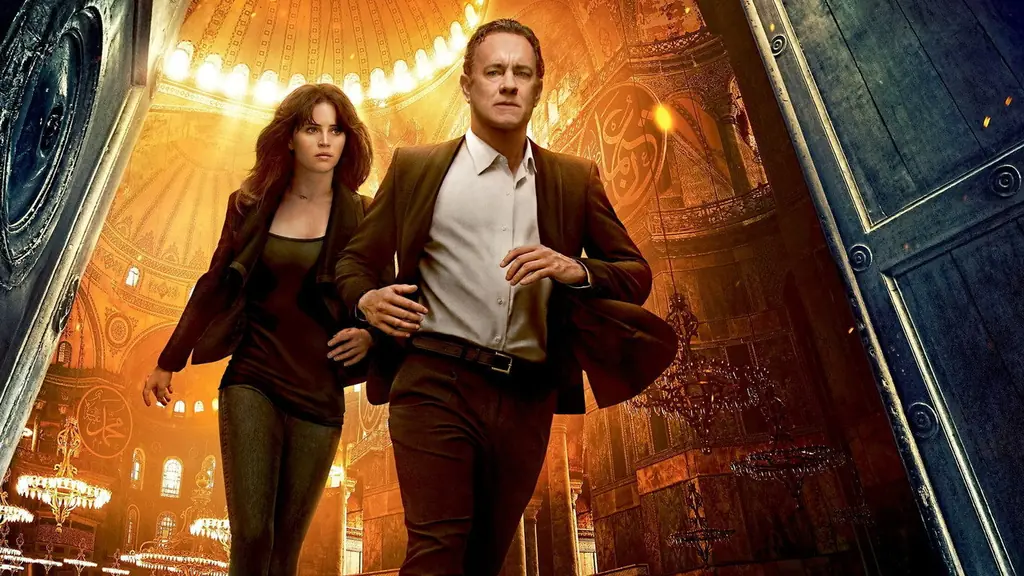
One undeniable highlight, however, is the stunning cinematography of Europe's beautiful cities. The film showcases luscious, wonderfully picturesque locations, which are captured with visual splendor. Yet, as visually appealing as these backdrops are, they ultimately cannot elevate a fundamentally unengaging story. Great scenery alone does not make a great film.
The Final Verdict
Inferno is a largely forgettable entry in the Robert Langdon saga. While it boasts beautiful European locales and a solid supporting turn from Felicity Jones, its core narrative is undermined by a compromised protagonist and a jumbled, cliché-ridden plot. It's a film that struggles to find its rhythm, leaving audiences more indifferent than thrilled. For those seeking a compelling mystery, this adaptation falls flat, proving that even the most intriguing premises can be lost in translation.
What Worked
- Stunning European scenery and cinematography
- [[person:72855|Felicity Jones]] delivers a committed performance
- The final act offers a brief moment of intensity
- Intriguing premise based on Dante's "Inferno"
What Didn't Work
- [[person:31|Robert Langdon]] is compromised by amnesia, hindering his appeal
- Jumbled and confusing narrative, especially in the first half
- Pacing is often slow, choppy, and boring
- Relies on a cliché "race against time" plot
- Lack of audience baseline makes Langdon's confusion frustrating