Introduction
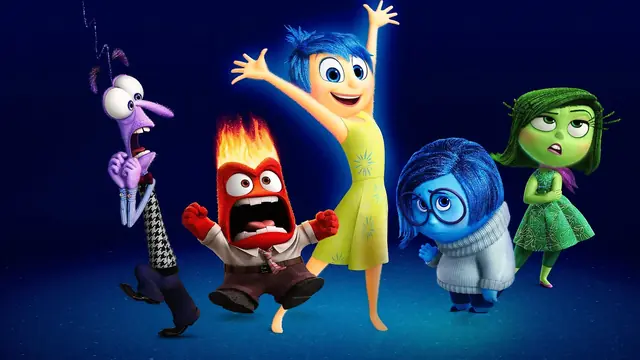
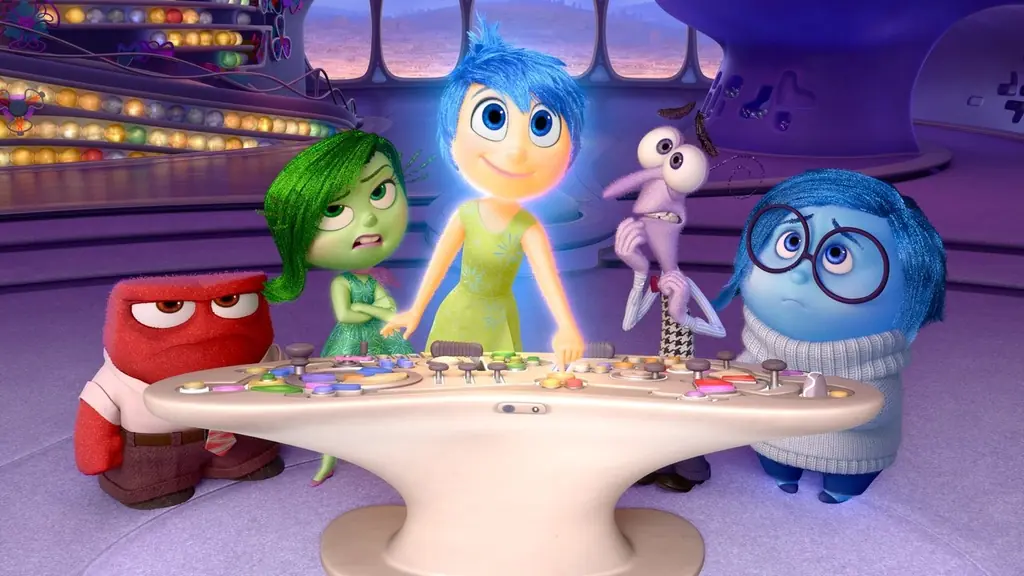
From the moment Inside Out was announced, anticipation for Pixar’s latest original venture was palpable. The studio, renowned for its ability to blend groundbreaking animation with deeply resonant storytelling, promised a journey into the most complex landscape of all: the human mind. The premise alone was enough to spark curiosity: an 11-year-old girl, Riley, uprooted from her familiar life in Minnesota to the bustling streets of San Francisco, experiences the turmoil of change through the lens of her core emotions. Manning the control room of her mind are Joy, Anger, Fear, Disgust, and Sadness, each vying for influence as Riley navigates her new reality. This setup immediately hooks the audience, inviting them to ponder the inner workings of their own minds, albeit perhaps with a touch more trepidation than the film’s vibrant depiction.
The Lead Dynamic & The Action
The true genius of Inside Out lies in its brilliant personification of these abstract concepts. The synergy among the emotions, particularly the dynamic between Amy Poehler’s Joy and Phyllis Smith’s Sadness, forms the heart of the film. Their interactions, often fraught with comedic tension and genuine pathos, drive the narrative forward. The casting of Lewis Black as Anger is nothing short of perfect, his distinctive voice and persona embodying the fiery emotion with hilarious precision. While Anger stands out, every emotion, voiced by talents like Bill Hader as Fear, Mindy Kaling as Disgust, and Richard Kind as Bing Bong, performs their role flawlessly, contributing to a cohesive and believable inner world.
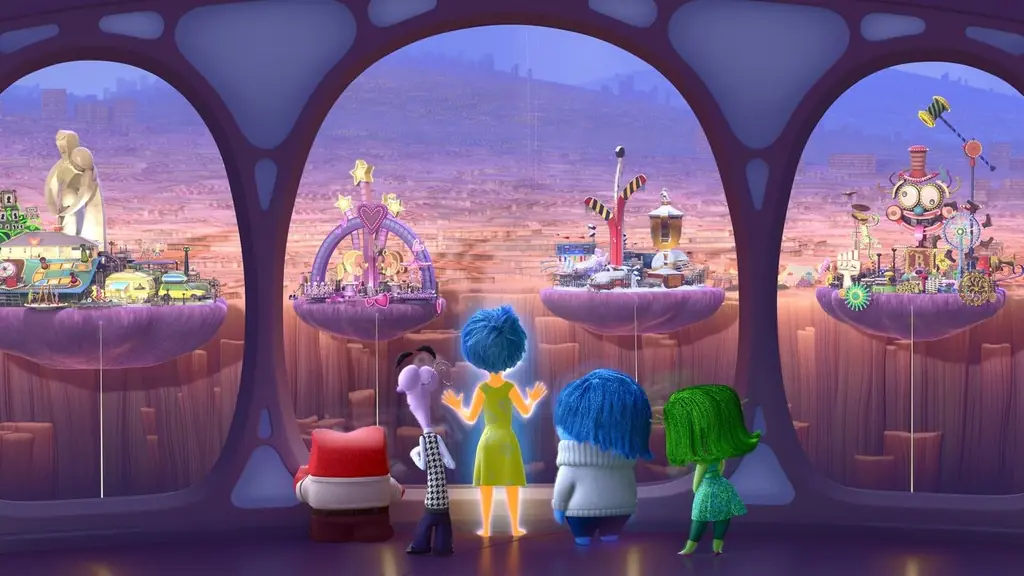
The film’s central adventure sees Joy and Sadness embark on an epic quest through the vast, imaginative landscapes of Riley’s subconscious. This journey is not merely a visual spectacle; it’s a masterclass in metaphorical storytelling. The movie constructs an entire world within Riley’s mind, complete with "Memory Dump," "Imagination Land," and "Dream Production," each segment serving to explain complex psychological concepts in an accessible and engaging manner. The way a happy memory can transform into a sad one, or how one can feel "off their game," is depicted with such clarity and wit that it elicits both laughter and profound understanding. The sheer cleverness of these situational circumstances, designed to explain an emotional state, is something to be applauded.
Cameos, Nostalgia & Narrative Stakes
Inside Out excels in its ability to translate intricate emotional processes into a compelling narrative. It’s a film that uses metaphors and parables not just for entertainment, but to genuinely educate and enlighten. The pacing is expertly handled, balancing moments of high-stakes adventure with quieter, introspective scenes that allow the emotional weight to sink in. While the film doesn’t rely on traditional cameos in the way some franchise films might, its clever nods to the universal experience of growing up and managing emotions serve as a form of relatable "fan service."
What truly elevates Inside Out is its profound relatability. It’s a rare animated feature that resonates perhaps even more deeply with adults than with children. Kids will undoubtedly be captivated by the vibrant adventure of Joy and Sadness exploring the different "lands" of Riley’s mind and the concept of core memories. However, adults, having experienced the full spectrum of human emotions and their complexities, will find themselves nodding in recognition, often laughing at the uncanny accuracy of the film’s depictions. The movie provides a unique and clever explanation for emotional states that every human being has encountered, making it an undeniable and inevitable experience for anyone who has "felt emotions."
Tone, Direction & Creative Freedom
Under the masterful direction of Pete Docter, the film maintains a tone that is both lighthearted and deeply thoughtful. The execution of its ambitious premise is nothing short of genius. The creative freedom afforded to the filmmakers is evident in every frame, allowing for an imaginative and intricate world-building that feels both fantastical and grounded in psychological truth. The film’s ability to make complex emotional concepts understandable and entertaining is a testament to its smart writing and direction. It’s a movie that, much like "Monsters Inc." before it, takes an abstract idea and builds an entire, believable world around it, but this time, the world is inside us.
The Final Verdict
Inside Out is more than just an animated film; it’s a profound and utterly brilliant exploration of the human psyche. It fulfills every expectation and then some, delivering an "awesome tacular" experience that is both entertaining and deeply insightful. It’s the kind of film that leaves a lasting impression, prompting reflection on one’s own emotional landscape. This is an instant classic, destined to stand alongside Pixar’s most beloved works like "Toy Story 3" and "Finding Nemo." To find a flaw in this cinematic achievement is a chore in itself, a testament to its near-perfect execution. It’s a must-see for anyone with emotions, which, let’s face it, is everyone.
What Worked
- Brilliant, imaginative concept and execution
- Deeply insightful and relatable portrayal of emotions
- Exceptional voice acting, especially [[person:59258|Lewis Black]] as Anger
- Clever metaphors and parables for psychological states
- Resonates strongly with both children and adults
What Didn't Work
- Difficulty in finding any significant flaws
- Younger viewers might not fully grasp the deeper emotional nuances



