Introduction
Insidious: Chapter 3 arrived as the third installment in a franchise that had already carved out a respectable niche in modern horror. The challenge for any prequel is to deepen the lore without feeling redundant, and this film, directed by Leigh Whannell, steps up to the plate. It takes audiences back to the origins, exploring how the spectral world first entangled itself with a new, vulnerable family, all while setting the stage for the terrifying events that would follow.
The Lead Dynamic & The Action
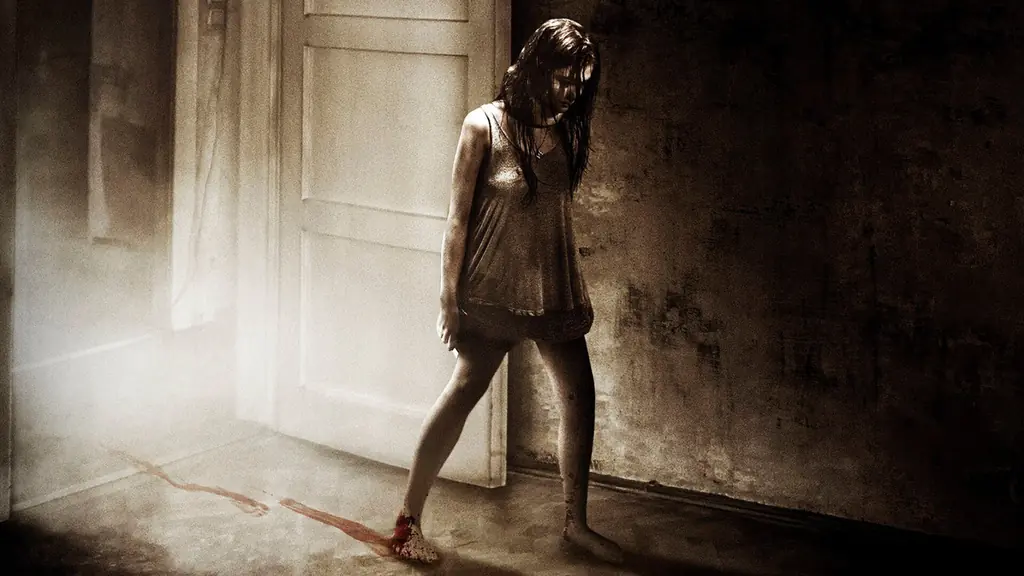
At its core, the film masterfully evokes a profound sense of helplessness. Viewers are placed squarely in the shoes of Quinn Brenner (Stefanie Scott), a young girl grappling with loss, who inadvertently opens a door to something far more sinister. The demon isn't presented as an invincible force, but rather a relentless, insidious presence that can be fought, albeit with immense difficulty. This nuanced portrayal elevates the terror beyond mere jump scares. While the film certainly has its share of sudden frights, it truly shines in its psychological moments: the chilling silhouettes watching from afar, the unsettling sight of demonic feet shuffling past a bed. These scenes tap into a primal, childlike fear, making the audience feel vulnerable and exposed. Adding depth is the compelling father-daughter dynamic between Quinn and Sean Brenner (Dermot Mulroney), which, while not groundbreaking, provides a crucial emotional anchor amidst the supernatural chaos.
Cameos, Nostalgia & Narrative Stakes
Insidious: Chapter 3 excels at expanding the established lore, building upon the spectral world that has become a hallmark of the series. It continues to flesh out this parallel dimension, making it feel more tangible and terrifying than many of its contemporaries. The return of beloved characters, particularly the "super awesome old chick" Elise Rainier (Lin Shaye), is a welcome sight, seamlessly integrating her into the prequel's narrative. However, not all returning elements land perfectly. The appearance of the "Ghost Hunters" Specs (Leigh Whannell) and Tucker (Angus Sampson), while serving to complete the franchise's circle, momentarily shifts the film's tone. Their scene, intended for comic relief, veers into territory reminiscent of "Halloween Resurrection," feeling almost cheesy and out of place. While the film eventually course-corrects, this brief dip in quality is noticeable.
Tone, Direction & Creative Freedom
Leigh Whannell’s direction maintains the signature tone of the Insidious universe, balancing suspense with genuine scares. The film successfully carries the torch of its predecessors, enriching the mythology without contradicting it. It’s a testament to the creative vision that a prequel can feel so integral to the overall narrative, rather than a mere cash-grab. The consistent world-building across the trilogy is a rare feat in horror, allowing viewers to immerse themselves fully in its terrifying spectral realm.

The Final Verdict
Ultimately, Insidious: Chapter 3 delivers a surprisingly strong entry, exceeding expectations for a third film in a horror series. It’s a genuinely good time, offering a blend of psychological dread and effective scares that make it a worthy addition to any Halloween movie marathon. The film solidifies the Insidious franchise as a respected horror trilogy, proving that sometimes, three really is the magic number.
What Worked
- Masterful psychological scares and dread.
- Expands and enriches the established spectral lore.
- Strong emotional core with the father-daughter dynamic.
- Elise Rainier's return is seamlessly integrated.
- A surprisingly solid and satisfying prequel.
What Didn't Work
- Still relies on some jump scares despite psychological focus.
- The "Ghost Hunters" scene feels tonally inconsistent and cheesy.
- Momentarily disrupts the film's otherwise serious horror atmosphere.