Introduction
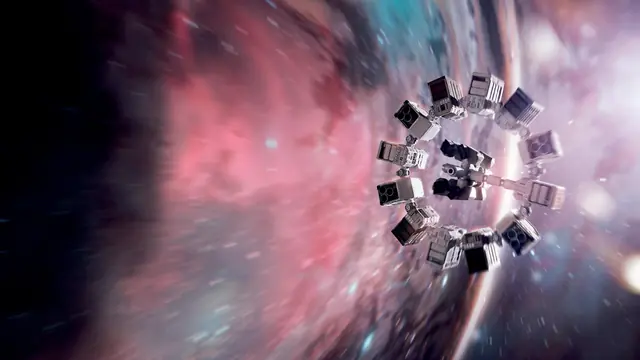
Earth is dying, a desolate landscape choked by dust clouds where humanity's last hope, corn, is rapidly fading. The solution? A desperate leap through a wormhole to another galaxy, a mission led by Matthew McConaughey in what some have dubbed his "Lincoln Lawyer in space" era. Alongside him, Anne Hathaway and a blocky, efficient robot that looks like a collection of well-assembled Legos, embark on a journey to save mankind.
The Lead Dynamic & The Action
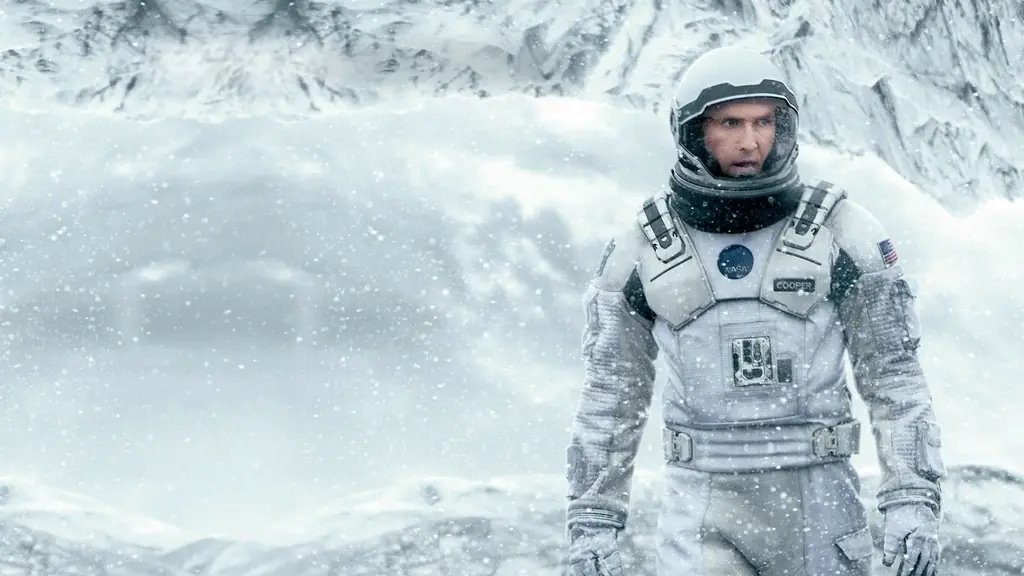
From the moment he appears, Matthew McConaughey commands the screen, delivering a performance that anchors the entire film. His dynamic with his daughter, Murphy, played brilliantly by Mackenzie Foy, forms the emotional core, making you genuinely root for his success. The film masterfully illustrates the theory of relativity, creating a palpable sense of time distortion that adds immense emotional weight to every decision. Visually, Interstellar is a triumph, immersing audiences in the vastness of space with breathtaking sequences that truly make you feel like you're there. Complementing this is an intense, organ-driven score that amplifies the emotional stakes, pulling you deeper into the cosmic drama.
Cameos, Nostalgia & Narrative Stakes
Despite its visual grandeur and strong performances, the film's narrative journey isn't always smooth. The pacing often feels like a series of "pit stops" across galaxies, stretching a story that could have been told more concisely into a nearly three-hour runtime. There are moments where the plot feels less like a meticulously planned expedition and more like the characters—and perhaps even Christopher Nolan himself—are improvising to navigate tight spots. The final act, while ambitious, feels somewhat detached from the preceding journey, almost as if it were a separate, convoluted idea tacked on. It’s a bit like a game of Kerplunk; so many elements are precariously balanced that you fear pulling one thread might unravel the whole thing.
Tone, Direction & Creative Freedom
Christopher Nolan's ambition is undeniable, and while Interstellar is a good space drama with a compelling family dynamic and a fascinating exploration of relativity, it occasionally feels like the director was overreaching. Not every grand idea fully translates to the screen, and the film's considerable length doesn't always serve its narrative, often feeling drawn out. Yet, the sheer scope and the attempt to tackle profound scientific and emotional themes are commendable, showcasing a filmmaker unafraid to swing for the fences.
The Final Verdict
Ultimately, Interstellar is an interesting and engaging film, despite its imperfections. It’s a good time, offering a unique blend of scientific wonder and heartfelt drama. While it may not achieve the legendary status of a "2001: A Space Odyssey," it stands as a testament to ambitious filmmaking, delivering a memorable, if occasionally uneven, journey through the stars.
What Worked
- Matthew McConaughey's powerful lead performance.
- Compelling and emotional father-daughter dynamic.
- Visually stunning and immersive space exploration.
- Effective and well-executed depiction of relativity.
- Intense and impactful organ-driven musical score.
What Didn't Work
- Pacing issues, often feeling like a series of "pit stops."
- Overly ambitious narrative that doesn't always fully translate.
- Excessive runtime that could have been trimmed.
- The final act feels somewhat detached from the main story.



