
Introduction
When a film promises a relentless barrage of nature's fury, audiences expect nothing less than a full-throttle, no-holds-barred spectacle. Into the Storm arrived with the implicit promise of just that: a disaster movie where the weather is the true star. It's the kind of premise that conjures images of classic disaster flicks, a "Sharknado without the sharks" as some might say, focusing entirely on the raw, destructive power of tornadoes. The stage was set for a whirlwind of chaos, but did it deliver more than just a fleeting gust of excitement?
The Lead Dynamic & The Action
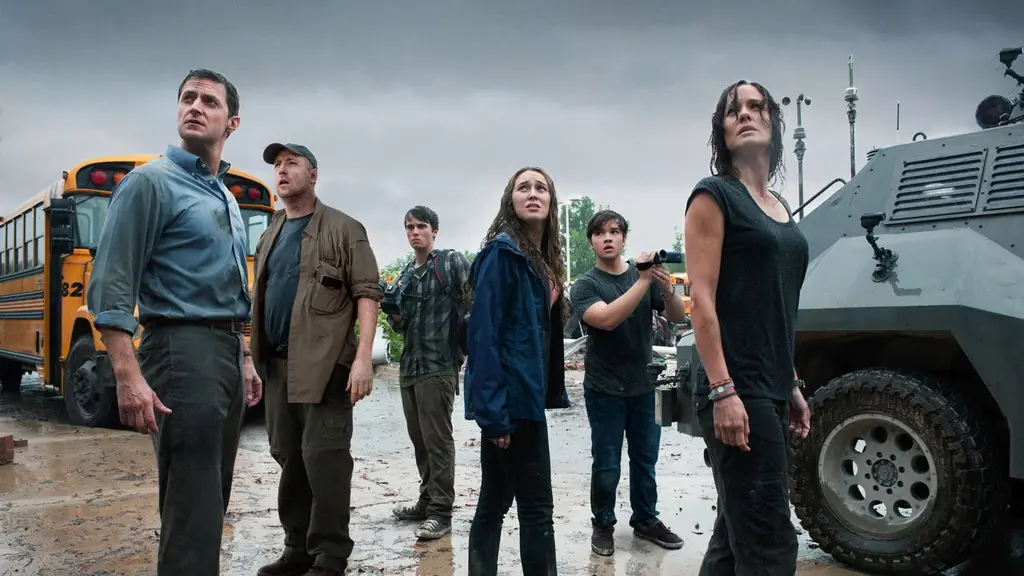
From the outset, Into the Storm struggles with an identity crisis, attempting to juggle multiple storylines that ultimately dilute its focus. We're introduced to a team of storm chasers, a father (Richard Armitage) trying to reconnect with his sons (Max Deacon and Nathan Kress), a burgeoning high school romance, and even a pair of comedic "hillbillies" (Matt Walsh and Arlen Escarpeta). The film tries desperately to make us care about these disparate groups, but the effort is largely in vain. Characters feel less like people and more like placeholders, existing primarily to be swept up, literally, by the impending disaster.
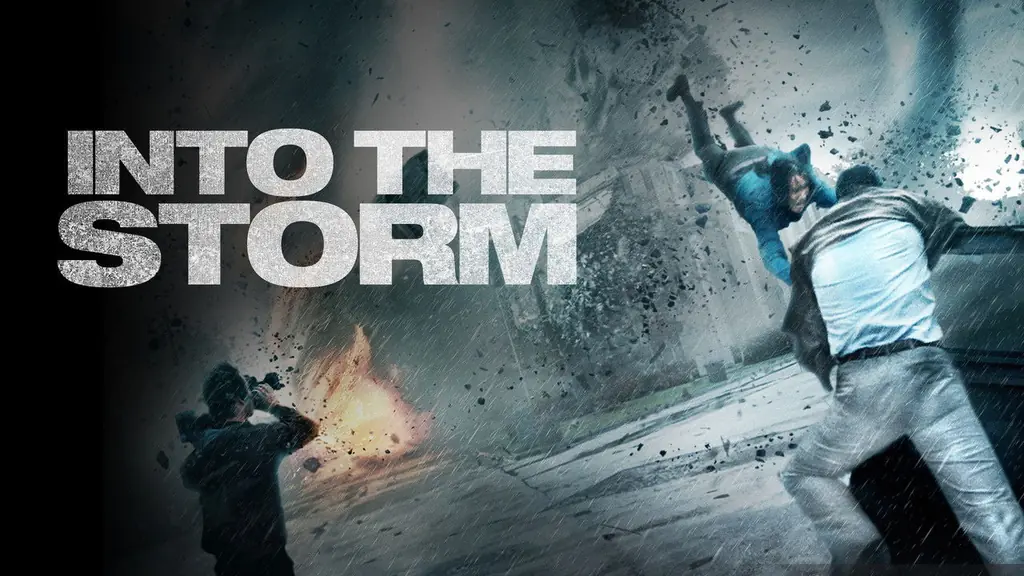
However, when the film finally leans into its core strength—the tornadoes themselves—it truly shines. The sequences of twisters tearing through towns are genuinely impressive and provide the visceral entertainment that disaster movie fans crave. Buildings are ripped apart, vehicles are tossed like toys, and the sheer scale of destruction is captivating. It's in these moments of pure, unadulterated chaos that Into the Storm finds its footing, delivering on the promise of its title with thrilling, albeit fleeting, success.
Cameos, Nostalgia & Narrative Stakes
The film's narrative ambition, or lack thereof, is perhaps its biggest stumbling block. The various subplots, particularly the antics of the "hillbillies," feel like unnecessary distractions, reminiscent of the widely panned comedic relief characters in films like Transformers: Revenge of the Fallen. They pull focus away from the main event and contribute to the overall sense that the film doesn't quite know what story it wants to tell.
There's also a sense that Into the Storm arrived a little too late to the party. Had it been released closer to the heyday of disaster films like Twister, it might have found a more receptive audience. Instead, it feels like a script that sat on a shelf for years, dusted off and produced without much thought for contemporary storytelling. The lack of genuine connection to the characters means that when they are in peril, the narrative stakes feel remarkably low. It's hard to invest in the outcome when the film hasn't given us a reason to care about who lives or dies.
Tone, Direction & Creative Freedom
Steven Quale's direction attempts to blend traditional filmmaking with a "found footage" aesthetic, but the execution is inconsistent and often confusing. Shots frequently switch between handheld, character-POV cameras and more conventional cinematic angles without a clear rationale. This jarring back-and-forth undermines immersion, leaving viewers questioning the perspective rather than being drawn into the unfolding drama. The film struggles to maintain a cohesive tone, oscillating between genuine peril and forced comedic beats, never quite settling into a comfortable rhythm.
The Final Verdict
Ultimately, Into the Storm is a film of two halves: a tedious, character-driven setup and an exhilarating, destructive payoff. While the first half is a forgettable slog populated by characters you'll struggle to remember, the latter half delivers some truly impressive and entertaining tornado sequences. It's not a film that will linger in the memory, but for those seeking a quick dose of CGI-fueled meteorological mayhem, it offers enough visual spectacle to pass the time. Just don't expect a deep emotional connection or a groundbreaking narrative; this is pure, unadulterated disaster porn, and on that front, it occasionally delivers.
What Worked
- Visually impressive and destructive tornado sequences
- Fast-paced action once the storms hit
- Satisfying spectacle for disaster movie fans
- Delivers on the promise of widespread chaos
What Didn't Work
- Forgettable and underdeveloped characters
- Confusing and inconsistent "found footage" style
- Multiple distracting and unnecessary subplots
- First half is slow and unengaging
- Lacks the charm and focus of classic disaster films



