
Introduction
When It Follows first hit screens, the buzz was deafening. Whispers of "scariest movie ever" echoed across the internet, setting an almost impossible bar for David Robert Mitchell's low-budget horror flick. Yet, what audiences discovered was not a jump-scare fest, but a remarkably smart and unsettling experience that defied typical genre expectations. This isn't your average horror popcorn flick; it's a slow-burn nightmare that burrows deep under the skin.
The Lead Dynamic & The Action
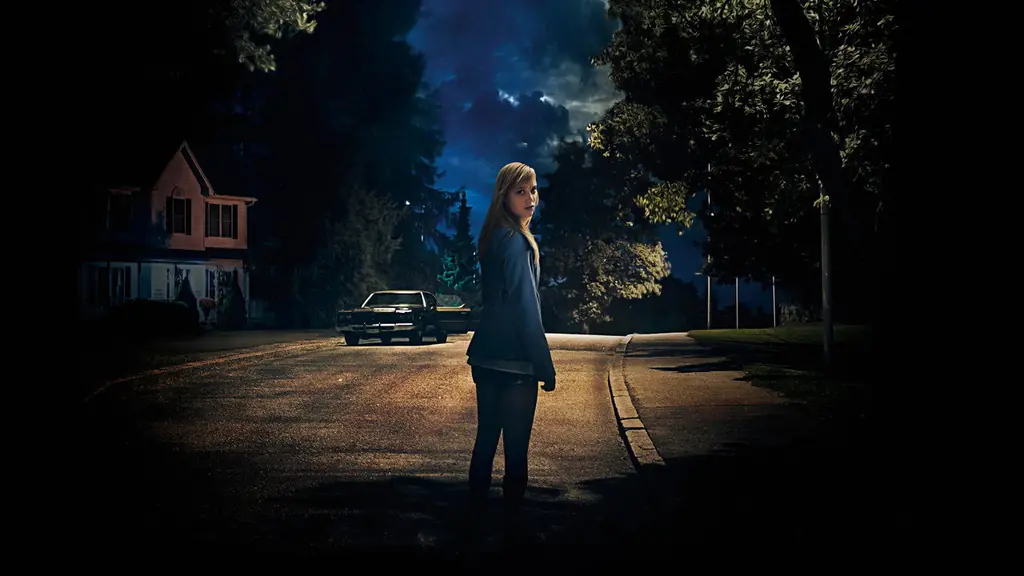
The film centers on Maika Monroe as Jay, a refreshingly average and relatable teenage girl. Forget the usual super-sexy, model-type protagonists; Jay is grounded, even rocking "white cotton granny panties" at one point, making her vulnerability all the more palpable. The core premise is chillingly simple: after a sexual encounter, Jay finds herself pursued by an entity that never runs, only walks, relentlessly. It's a "shitty game of tag" with terrifying stakes.
This deliberate pacing is It Follows's genius. It avoids the high-octane adrenaline rush of many modern horrors, instead thriving in the "in-between moments." Those brief respites where you catch your breath, thinking you're safe, only for the threat to reappear, creating a "perpetual anxiety" that mirrors the early, unsettling dread of films like the first Paranormal Activity. The film masterfully evokes the feeling of a classic 1979 horror, from its visual style to its unnerving, retro-inspired soundtrack. The sheer dread of something slowly, inevitably walking towards you, and the feeling of failure if it wins, is a unique and potent fear.
Narrative Stakes & Unique Approach
It Follows doesn't rely on cheap thrills or excessive gore. Instead, it crafts its narrative stakes around the constant, inescapable threat. The film keeps viewers deeply invested, making them feel every ounce of Jay's terror and paranoia. Every distant figure, every person walking in the background, becomes a potential harbinger of doom, forcing the audience to question "is that it?" alongside the protagonist. This refreshing take on horror eschews the typical slasher tropes, offering something far more cerebral and unsettling.
Tone, Direction & Creative Freedom
David Robert Mitchell's direction is precise, allowing the film's unique tone to flourish. It's not a movie for "gore fiends" or those seeking a "Rob Zombie" style experience. Instead, it embraces a "low-budget artsy twine," proving that true horror can be found in psychological dread rather than overt violence. The film's ability to maintain engagement and interest without resorting to conventional scares is a testament to its creative vision and the freedom it took to explore an unconventional premise.
The Final Verdict
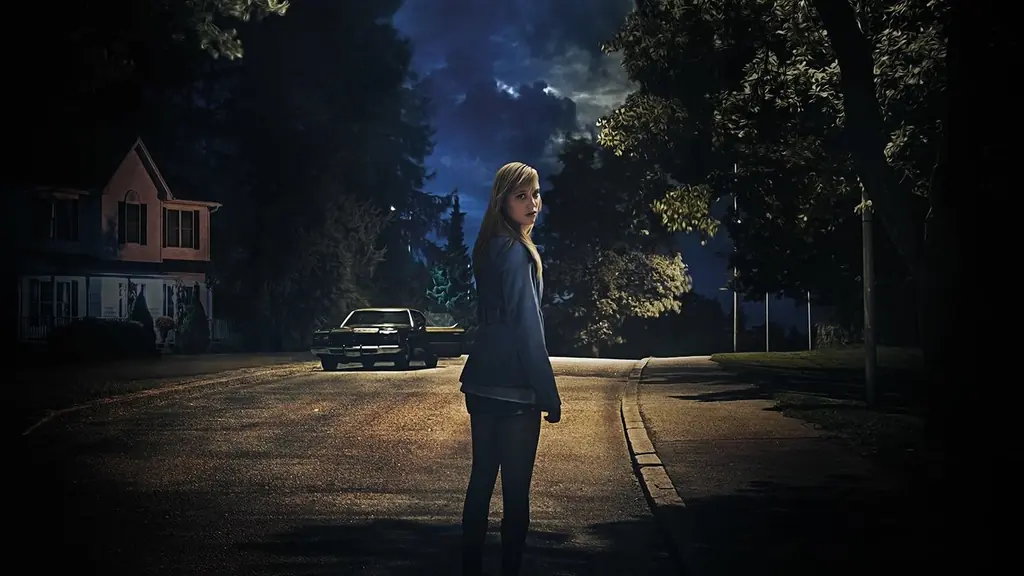
While perhaps "overhyped" by some as the "scariest movie ever," It Follows is undeniably a good time and a truly refreshing entry into the horror genre. It's a film that sticks with you, much like its central antagonist. Think of it as the cinematic embodiment of a "demonic herpes" – once you get it, it might lie dormant, but it always has the potential to resurface and cause problems. This is a must-watch for anyone seeking intelligent, anxiety-inducing horror that dares to be different, no alcohol required to enjoy the ride.
What Worked
- A smart, low-budget horror film that defies expectations.
- Creates perpetual anxiety through its unique, slow-walking antagonist.
- Relatable protagonist in Jay, making her vulnerability palpable.
- Evokes a classic 1979 horror movie feel with its visuals and soundtrack.
- Refreshing take on the genre, avoiding typical jump scares and gore.
What Didn't Work
- Initial "scariest movie ever" hype set unrealistic expectations.
- Not for viewers seeking fast-paced, high-octane horror.
- May not be "scary enough" for those who prefer overt gore or jump scares.



