
Introduction
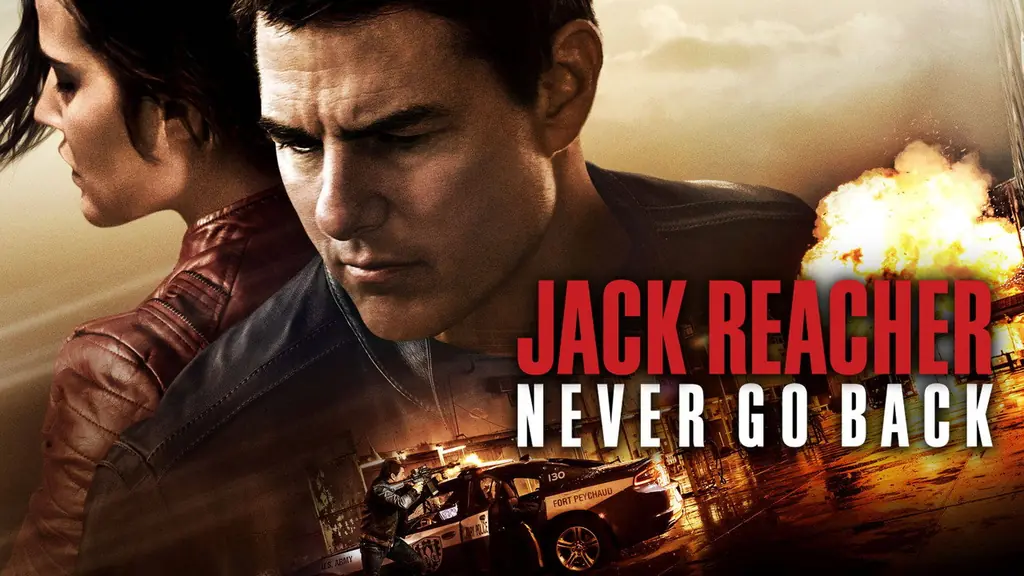
When Jack Reacher: Never Go Back hit screens, audiences might have hoped for a thrilling continuation of the stoic ex-military investigator's adventures. Instead, what arrived was a sequel that felt less like a pulse-pounding action flick and more like a two-hour exercise in patience. The initial promise of a compelling mystery quickly dissolves into a narrative so disjointed, it leaves viewers wondering if anyone truly cared about the story being told.
The Lead Dynamic & The Action
One of the most glaring issues plaguing this installment is the utter lack of chemistry between its central players. Tom Cruise, reprising his role as Jack Reacher, appears to be phoning it in, delivering a performance that feels more like an obligation than an embodiment of the character. This extends to the interactions with his co-stars; there's a palpable sense that the actors either genuinely disliked each other, struggled to work together, or simply didn't want to be there. The dynamic is so flat, it actively detracts from any potential engagement with the plot.
Amidst the narrative doldrums, the film's only real saving grace comes when Reacher is, well, kicking some serious ass. Even if Cruise seems to be on autopilot, there's a certain satisfaction in watching the 50-year-old actor still move with the agility of someone half his age. These sporadic bursts of action, however, are too few and far between to salvage a movie otherwise devoid of excitement.

Cameos, Nostalgia & Narrative Stakes
The plot itself is a convoluted mess. Reacher's "phone friend" is framed, he tries to clear her name, then he gets framed himself. Sprinkled into this is a young girl who may or may not be his daughter, tagging along for the ride. The story is incredibly choppy, jumping from one underdeveloped point to another without ever truly focusing. It's the kind of narrative that makes you ask, "Who's this person again? Why are we here?" The film struggles to establish who the bad guys are or what their motivations might be, leading to a "Die Hard 5"-esque confusion where the stakes feel non-existent.
The character of the potential daughter is particularly frustrating. She's portrayed as angsty, annoying, and an unlikable liability, constantly getting the protagonists into trouble by using phones or credit cards she shouldn't. Her presence actively undermines any attempt to root for the characters, making it difficult to invest in their journey. It's a character that never learns from her mistakes, serving only as a perpetual plot device for conflict.
Tone, Direction & Creative Freedom
The overall impression is one of a production where everyone, from the actors to the director, Edward Zwick, and the writers, simply went through the motions. The "phoning it in" sentiment isn't just limited to the performances; it permeates the entire creative process. The direction feels uninspired, and the writing lacks the conciseness and focus needed to craft a compelling thriller. This isn't a film that feels like it was given the freedom to be wild or innovative; it's a by-the-numbers sequel that struggles to justify its own existence.
The Final Verdict
Ultimately, Jack Reacher: Never Go Back is a forgettable experience, arguably worse than its predecessor. It's a boring, unfocused slog that feels far longer than its actual runtime. The complete absence of chemistry between the leads, coupled with a frustratingly annoying side character and a muddled plot, makes for a truly unengaging watch. While Reacher's occasional moments of physical prowess offer fleeting entertainment, they are not enough to save this sequel from being instantly forgettable. Save your time; you'll likely forget you even watched it within minutes of the credits rolling.
What Worked
- Jack Reacher's occasional, albeit generic, action sequences.
- Tom Cruise's continued physical capability in fight scenes.
What Didn't Work
- Zero chemistry between the lead actors.
- A choppy, unfocused, and largely boring plot.
- An annoying and problematic side character who detracts from the story.
- The film feels significantly longer than its actual runtime.
- Overall "phoned-in" performances and uninspired direction.



