
The Four Seasons: A Story Lost in Translation
Anticipation ran high for Clint Eastwood's take on the legendary Four Seasons, a band whose infectious melodies are woven into the fabric of popular music. For many, their songs are instantly recognizable, even if the band's name isn't. The promise of a gritty, mob-tinged biography of Frankie Valli and his crew, helmed by a director known for both triumphs and misfires, set the stage for what could have been a compelling cinematic experience. Yet, despite the inherent drama and undeniable musical genius, Jersey Boys ultimately delivers a surprisingly flat and forgettable affair.
Performances That Miss the Mark
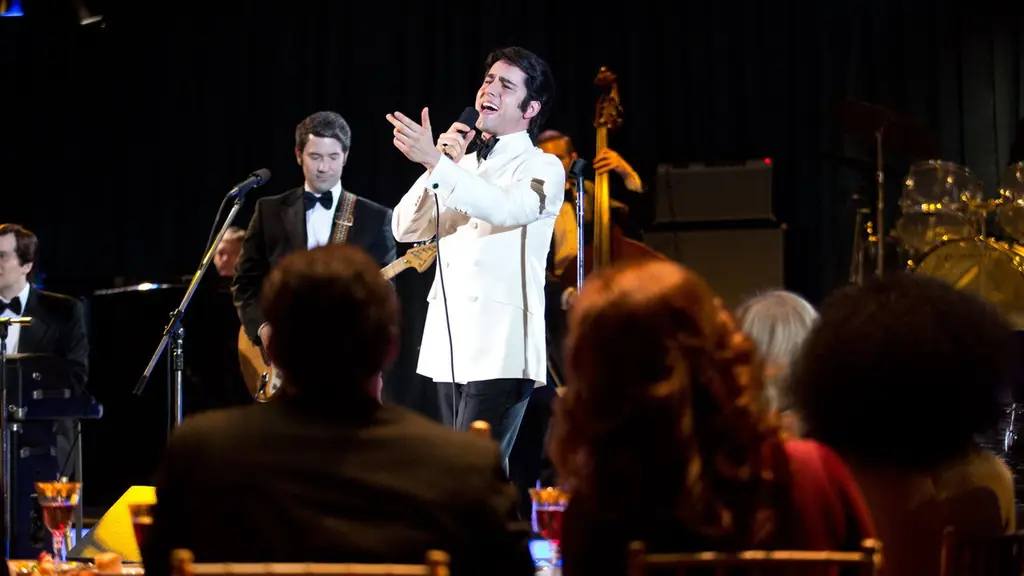
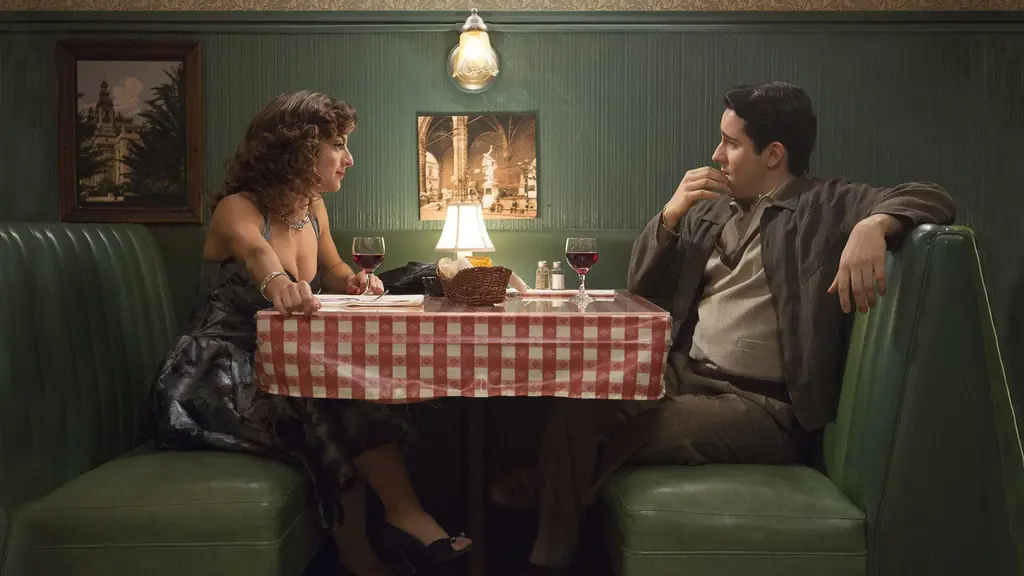
The ensemble cast, including John Lloyd Young as Frankie Valli, Vincent Piazza, Michael Lomenda, and Erich Bergen, largely delivers functional performances, but none truly elevate the material. One particular actor stands out for an "overly expressive" style, more suited to the back row of a theater than the intimacy of a film camera. This stage-bound approach often feels out of place, creating a disconnect rather than drawing the audience in. The film also struggles with its timeline, spanning what appears to be decades, yet characters like John Lloyd Young and Christopher Walken as Gyp DeCarlo seem "frozen in time" with minimal makeup changes, making it difficult to track the passage of years or the emotional toll on their lives. This lack of visual progression further hinders any deep connection with the characters' journeys.
Confusing Narratives and Missed Opportunities
Jersey Boys attempts a direct address to the audience, a narrative device that quickly becomes muddled. Multiple characters break the fourth wall, leaving viewers unsure who is speaking to them and when. This inconsistency, coupled with the device being abandoned halfway through the film, suggests a lack of commitment to the storytelling choice. What's more, the much-touted "mob element" that should have added intrigue to the New Jersey setting never truly materializes into anything engaging. It's a backdrop that promises excitement but delivers little. Perhaps the biggest narrative misstep is the film's pacing; it takes nearly half the runtime for the iconic, foot-tapping music of The Four Seasons to truly take center stage, leaving the first hour feeling surprisingly dull despite the rich source material.
Eastwood's Uneven Hand
Clint Eastwood's directorial career has been a "50/50 margin" of critical darlings and forgettable duds, and Jersey Boys unfortunately falls into the latter category. Clocking in at over two hours, the film feels excessively long, slow, and ultimately dull. Even when a scene finally sparks a flicker of connection or emotional resonance, the narrative often drags on, "demolishing all the props it just got" by overstaying its welcome. The ending, in particular, suffers from this protracted approach, losing any impact it might have had. While the life story of Frankie Valli and The Four Seasons is undeniably interesting, the execution here fails to capture its vibrancy, leaving audiences with a biopic that feels more like a historical recounting than a dynamic musical drama.
The Final Verdict
Despite the undeniable power of The Four Seasons' music, Jersey Boys struggles to find its rhythm. It's a film that, much like Jay Edgar, presents an interesting life story but fails to make it compelling on screen. The pacing is sluggish, the narrative choices are inconsistent, and the performances, while functional, rarely ignite. While the music itself "kicks ass" and offers fleeting moments of nostalgia, the film as a whole is a forgettable experience that leaves little lasting impression. It's a missed opportunity to celebrate a truly iconic band with the cinematic flair they deserve.
What Worked
- The timeless and iconic music of The Four Seasons is a highlight.
- The inherent biographical story of Frankie Valli and the band is interesting.
- Moments of musical performance can be engaging and nostalgic.
- Some conflicts within the band's history are compelling, though underdeveloped.
What Didn't Work
- Excessive runtime and a consistently slow, dull pace.
- Inconsistent and confusing use of fourth-wall breaks.
- Lack of character aging and unclear timeline progression.
- Performances often feel more suited for stage than screen.
- The "mob element" is present but fails to be engaging or impactful.
- The ending drags on, diminishing any emotional resonance.



