Introduction
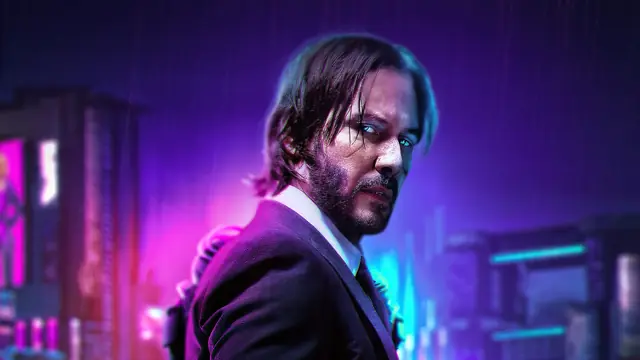
The original John Wick arrived as a genuine surprise, a lean, mean action machine that defied expectations. Audiences, caught off guard by its stylish brutality and intricate underworld, were left clamoring for more. With John Wick: Chapter 2, the bar was set, and the question loomed: could a sequel recapture that lightning-in-a-bottle magic, or would it simply be a retread? This follow-up dives headfirst back into the shadowy world of assassins, aiming to expand its lore while delivering the relentless action fans now expect.
The Lead Dynamic & The Action
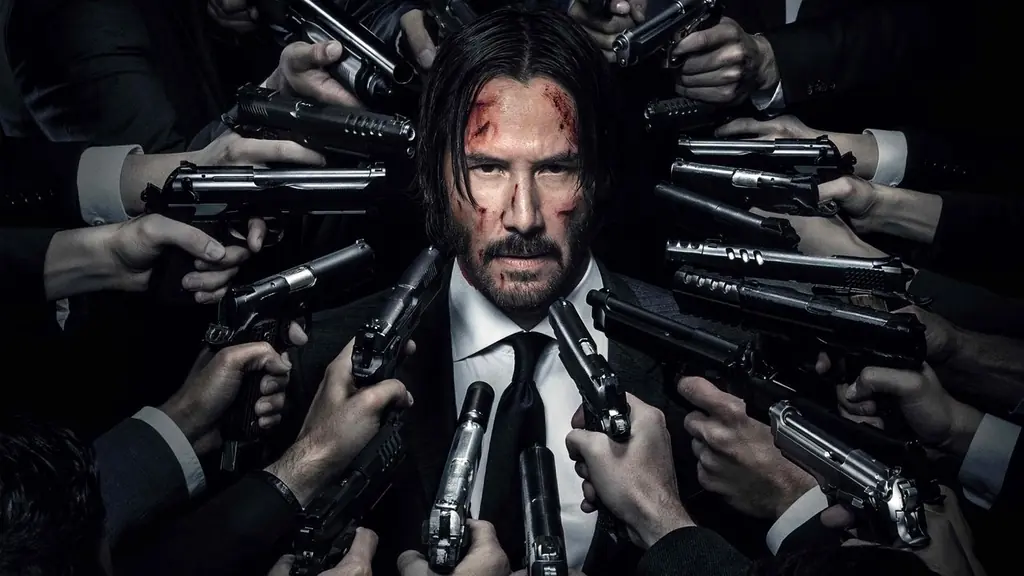
At the heart of this kinetic universe is Keanu Reeves as the titular Boogeyman, a performance so committed it elevates even the most outlandish dialogue. Reeves embodies the character with an unwavering intensity, making every line and every precise movement believable. The film truly shines when the action ignites. John Wick: Chapter 2 delivers "damn exciting" sequences, showcasing Wick as "precision personified in human form," a hitman who "never misses." When he does, it's only because he's already taken out a knee or delivered two shots to the chest. The combat is a brutal ballet, with standout moments featuring Wick out of ammo, forced into desperate hand-to-hand combat, or even utilizing a pencil in ways no one expects. The world-building, a highlight of the first film, is significantly expanded here, delving into "more rules you didn't know about" that govern this secret society, enriching the mythology in a compelling way.
Cameos, Nostalgia & Narrative Stakes
While the expanded lore is a welcome addition, the narrative finds itself in a challenging position. The pure, visceral motivation of the first film – a retired hitman avenging the death of his dog, his last link to his deceased wife – is tough to replicate. John Wick: Chapter 2 grapples with this, spending a considerable portion of its runtime establishing a new "plot device" to pull Wick back into the fray. This new impetus, while functional, doesn't carry the same emotional weight or "pure" drive as the original. The film leans into its established universe, bringing back familiar faces like Laurence Fishburne and introducing new ones such as Common and Riccardo Scamarcio, further populating its unique criminal underworld. However, the initial setup feels less organic, a necessary contrivance to keep the story moving rather than a deeply personal quest.
Tone, Direction & Creative Freedom
Under the direction of Chad Stahelski, the film maintains the distinct tone established in its predecessor: a blend of dark humor, stylish violence, and an almost operatic sense of consequence. The pacing, while still high-octane, occasionally "slows down more than John Wick one did," particularly in the first half as it builds its new narrative foundation. Yet, when the action kicks in, it's a relentless, "ridiculous movie" in the best possible way, embracing its over-the-top nature with confidence. The creative freedom afforded to the filmmakers is evident in the intricate fight choreography and the continued expansion of the Continental Hotel's rules and the High Table's influence, allowing the world to feel lived-in and ever-dangerous.
The Final Verdict
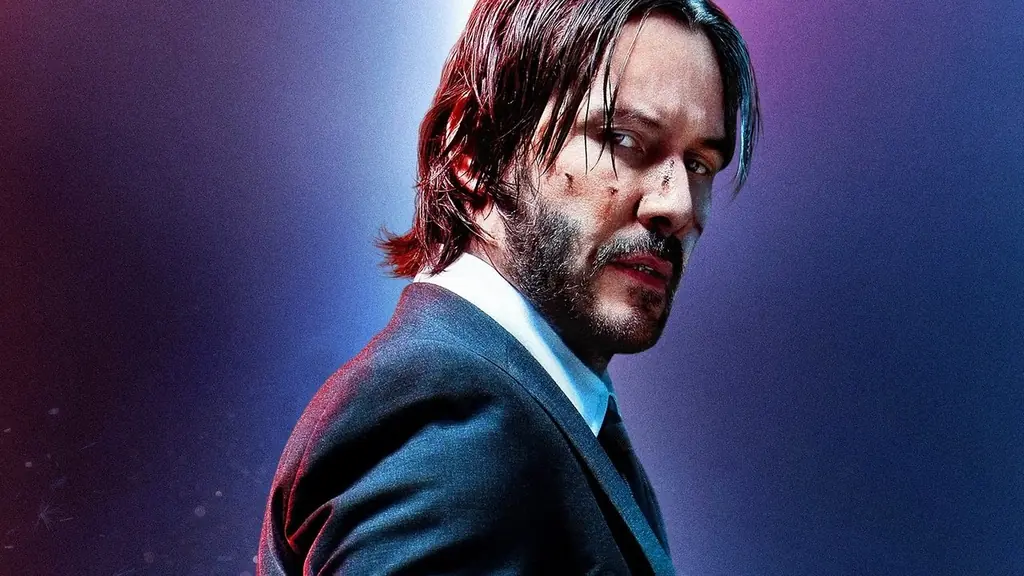
John Wick: Chapter 2 is undeniably a "good time," a "fun movie" that delivers on its promise of more stylized violence and intricate world-building. While it may not possess the same element of surprise or the raw, emotional purity of its predecessor's motivation, Keanu Reeves's iconic performance and the film's commitment to its unique aesthetic make it a thoroughly entertaining ride. If the first John Wick resonated with you, this sequel will undoubtedly satisfy your craving for more high-caliber action.
What Worked
- Keanu Reeves's unwavering commitment to the role.
- Expansive and intriguing world-building.
- Relentless, precision-driven action sequences.
- Creative and brutal hand-to-hand combat.
- A genuinely fun and entertaining experience.
What Didn't Work
- Lacks the surprise factor of the original film.
- Motivation for John Wick feels less pure.
- Pacing occasionally feels slower than the first installment.
- Struggles to match the original's emotional core.