Introduction
The buzz surrounding Jojo Rabbit was undeniable, a film that seemed determined to defy easy categorization. Initial whispers painted a picture of a controversial comedy featuring a young Hitler Youth member and his imaginary friend, none other than Hitler himself. Yet, for all the initial intrigue and the universe's apparent attempts to prevent its viewing, the film emerges as something far more profound and remarkably touching than its premise might suggest. It's a cinematic journey that forces viewers to confront preconceived notions, much like its young protagonist.
The Lead Dynamic & The Action
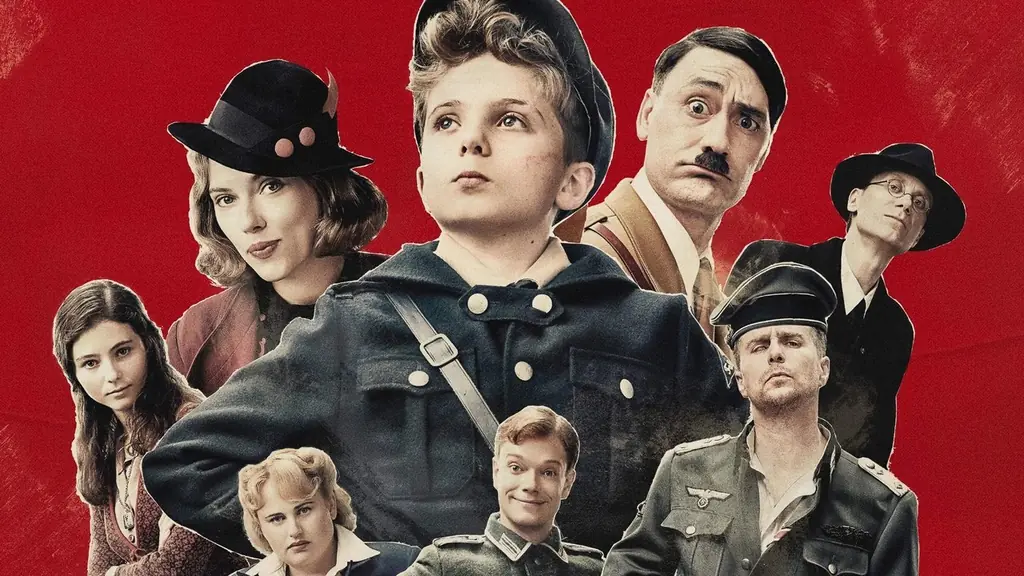
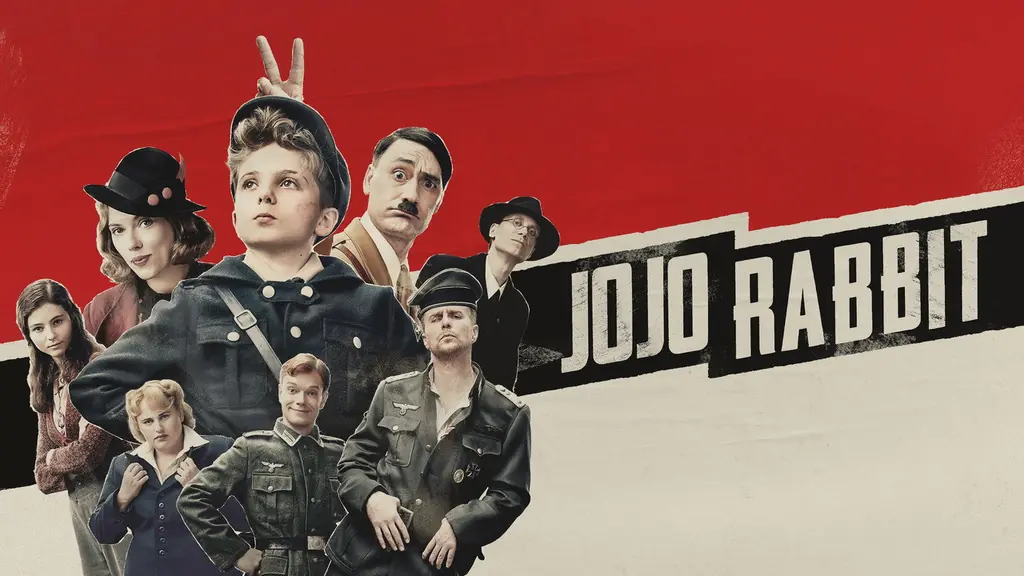
At its core, Jojo Rabbit is a coming-of-age story, albeit one set against the backdrop of World War II. We follow Roman Griffin Davis as Jojo, a young boy indoctrinated by Nazi propaganda, whose world is turned upside down when he discovers Thomasin McKenzie's Elsa, a Jewish girl, hiding in his attic. This unexpected encounter forces Jojo to confront the deeply ingrained dogma he's been fed. Guiding (or perhaps misguiding) him is his imaginary friend, a caricature of Hitler, brilliantly portrayed by director Taika Waititi. This version of Hitler is not a historical representation, but rather a manifestation of Jojo's own childlike understanding and the propaganda he's absorbed, making his presence entirely fitting within the film's satirical framework.
The dynamic between Jojo and Elsa is the film's beating heart, a testament to the power of human connection over ideology. As Jojo befriends Elsa, his imaginary Hitler acts as the part of his brain clinging to familiarity, even when that familiarity is wrong. It’s a powerful exploration of how people tend to resist change, even when faced with undeniable truths. Adding another layer of depth is Scarlett Johansson as Jojo's mother, Rosie, whose performance is nothing short of great, anchoring the film with warmth and quiet defiance.
Cameos, Nostalgia & Narrative Stakes
Jojo Rabbit never shies away from its serious subject matter, yet it masterfully weaves in humor without ever feeling offensive. The comedy, often sharp and pointed, serves to highlight the ridiculousness of the Nazi faction, exposing their absurdity rather than trivializing the horrors of the era. This isn't a simple period piece; it's a satire crafted for a modern audience, delivering an applicable message that transcends its WWII setting. The film argues that the way to heal hate is through conversation and human connection, a message that resonates as strongly today as it would a thousand years from now. While some modern comedic lingo might occasionally feel a touch anachronistic, it's a deliberate choice that underscores the film's contemporary relevance. The narrative stakes are high, not just for Jojo's physical safety, but for his very soul, as he grapples with the conflict between reality and the ideology he's been taught.
Tone, Direction & Creative Freedom
Taika Waititi's direction is nothing short of genius. Pulling off a film that balances such sensitive themes with genuine humor is a monumental task, and Waititi executes it with remarkable skill. The film is remarkably touching, a quality that might surprise those expecting only a dark comedy. It's a testament to Waititi's creative freedom and vision that he manages to navigate such a complex narrative, encouraging viewers to question what they've been taught and to think for themselves. The film's ability to be both funny and heartfelt, without ever losing sight of its profound message, is its greatest triumph.
The Final Verdict
Jojo Rabbit is a cinematic experience that defies easy classification. To simply call it a comedy about a kid with an imaginary Hitler friend would be a disservice; it's a deeply human story about family, the conflict between reality and ideology, and the courage to question. It's a film that makes you laugh, but more importantly, it makes you feel. Taika Waititi has crafted a pretty genius piece of cinema that is definitely worth watching, a unique blend of satire and heart that will stay with you long after the credits roll.
What Worked
- Brilliant, satirical portrayal of imaginary Hitler.
- A remarkably touching and heartfelt coming-of-age story.
- Masterfully balances humor with serious, profound themes.
- Powerful message about questioning dogma and healing hate through connection.
- Strong performances, especially from [[person:1245|Scarlett Johansson]].
What Didn't Work
- Some modern comedic lingo occasionally feels out of place.
- The satirical approach might not resonate with all viewers.