
Introduction
The anticipation for Joker was palpable, a standalone origin story for Gotham's most infamous villain. Audiences wondered if a film could truly delve into the psyche of the Clown Prince of Crime without the caped crusader. What arrived is a raw, unflinching character study, charting one man's descent into madness.
The Lead Dynamic & The Action
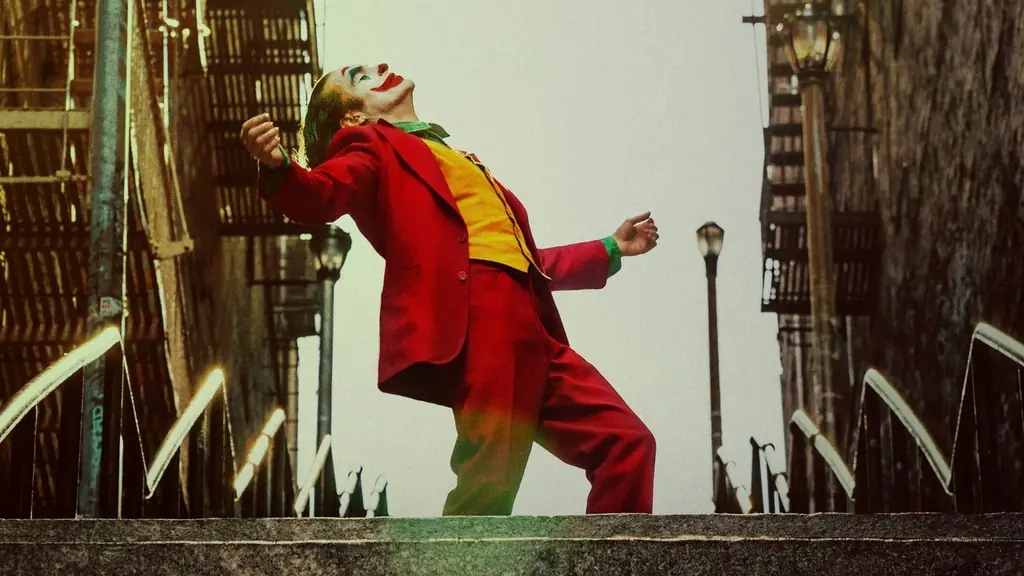
From the opening frame, this is unequivocally Joaquin Phoenix's film. His portrayal of Arthur Fleck is a masterclass, carrying the entire narrative on his shoulders without ever buckling under the immense pressure. Phoenix thrives, delivering a performance so deeply researched and nuanced that it transcends mere acting. The film meticulously chronicles Arthur's subtle, tragic evolution, a series of small changes that lead to a profoundly different destination. This isn't an action-packed romp; it's a slow burn, a character piece that demands attention. While other characters largely serve as background, Robert De Niro's turn as a talk show host stands out, bringing a surprising gravitas to his minimal but impactful scenes.

Cameos, Nostalgia & Narrative Stakes
Forget expectations of a typical comic book movie. Joker peels back the layers of its titular character, answering the nearly 80-year-old question of what makes such a monster snap. It's a deep dive into the human condition, so grounded in reality that it often feels more like a tragic drama than a graphic novel adaptation. The film challenges viewers to empathize with Arthur, even to root for him not to snap, creating an uncomfortable yet compelling experience. This isn't about acid vats or grand schemes; it's about the slow, agonizing breakdown of a man beaten down by life, offering moviegoers the kind of profound character arc comic book fans have long appreciated.
Tone, Direction & Creative Freedom
Under Todd Phillips' direction, Joker embraces a tone that is both unsettling and deeply real. The film's discomfort isn't a flaw; it's a deliberate choice that speaks to its effectiveness. It avoids the glossy sheen of typical superhero fare, opting instead for a gritty, almost documentary-like feel that grounds Arthur's journey in a harsh, unforgiving reality. Phillips demonstrates a readiness to tackle deeper themes, allowing the narrative to explore mental illness and societal neglect with a raw honesty that pushes the boundaries of the genre.
The Final Verdict
Joker is a singular cinematic achievement, a film that delivers on its promise of a profound character study. It's a journey into the heart of darkness, anchored by a truly transformative performance from Joaquin Phoenix. This is a movie that will stick with you, prompting reflection long after the credits roll. It's not just a comic book movie; it's a powerful, unsettling drama that redefines what an origin story can be.
What Worked
- [[person:73421|Joaquin Phoenix]]'s transformative, Oscar-worthy performance
- Nuanced, deeply psychological character study
- Grounded, unsettling realism
- Bold, unconventional take on a comic book origin
- Thought-provoking exploration of societal issues
What Didn't Work
- Slow burn pacing may not appeal to all viewers
- Lack of traditional action sequences
- Uncomfortable and disturbing themes
- Not a typical "comic book movie" experience



