Introduction
When Knives Out first hit the cinematic landscape, it arrived with a palpable buzz, promising a vibrant, modern reinvention of the classic whodunit. Hailing from the distinctive vision of Rian Johnson, a director whose filmography includes the critically acclaimed Looper and the famously divisive Star Wars: The Last Jedi, expectations for a clever, twist-laden mystery were sky-high. Audiences were primed for a narrative that would challenge conventions and deliver a genuinely fresh experience. For its initial two-thirds, the film largely delivered on that ambitious promise, meticulously setting up a compelling and intricate puzzle that immediately hooks viewers into its web of deceit and family dysfunction. The anticipation built around Johnson's ability to craft intricate plots was certainly met in the film's early stages, drawing everyone into the opulent, yet sinister, world of the Thrombey family.
The Lead Dynamic & The Action
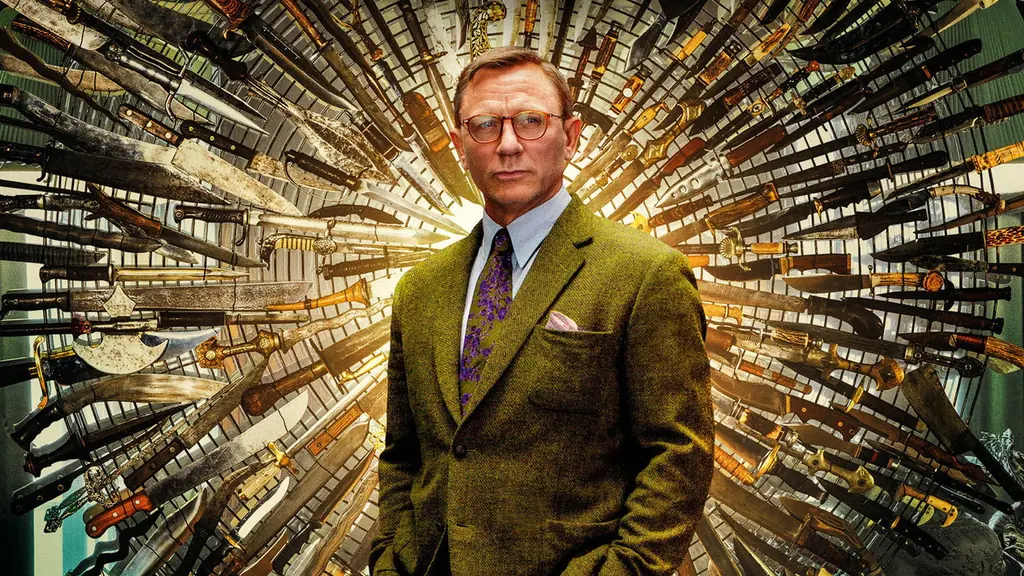
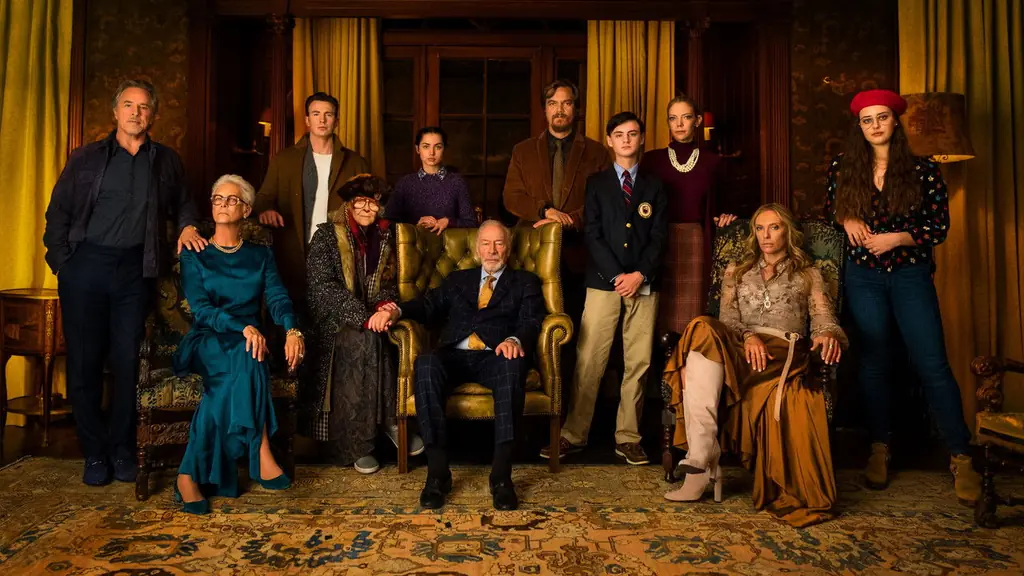
The narrative of Knives Out is propelled by the mysterious death of Harlan Thrombey, a wealthy and celebrated crime novelist, whose demise is initially dismissed as a suicide. This assumption is quickly challenged by the arrival of the eccentric private investigator Benoit Blanc, masterfully portrayed by Daniel Craig. Blanc, with his distinctive, almost theatrical Southern accent, immediately suspects foul play. While Daniel Craig’s vocal delivery takes a moment for the audience to acclimate to, it swiftly becomes an integral and charming facet of his quirky character, adding another layer to his already intriguing persona. However, the true revelation and undeniable star of the entire ensemble is Ana de Armas. Her portrayal of Marta Cabrera, Harlan's compassionate nurse, demands an extraordinary range of emotions and a nuanced performance, which she delivers with remarkable skill and authenticity. She completely nails the complexities of her character, carrying much of the film's dramatic and emotional weight with an understated power that truly anchors the story. The broader ensemble cast, featuring a roster of acclaimed talent including Chris Evans as the arrogant Ransom, Jamie Lee Curtis as the sharp-tongued Linda, and Toni Collette as the lifestyle guru Joni, all contribute significantly to the film's vibrant, often chaotic energy. Their collective performances make the dysfunctional family dynamics a constant source of both tension and darkly comedic delight, ensuring that every interaction crackles with underlying motives and simmering resentments.
Cameos, Nostalgia & Narrative Stakes
Knives Out initially positions itself as a classic "whodunit," but it quickly transcends this traditional label, evolving into a more complex and unique narrative structure, particularly throughout its first two acts. This innovative approach to the genre is genuinely refreshing, keeping viewers on the edge of their seats and feeling like a truly new take on the murder mystery. The film skillfully plays with audience expectations, revealing key pieces of information early on, which then forces a re-evaluation of the entire mystery. This clever subversion of typical genre tropes is where the film truly shines, offering a compelling and engaging ride. However, as the story progresses and the intricate turns continue to unfold, a subtle shift occurs. What initially feels like brilliant, unexpected revelations gradually begins to feel more like an "illusion," a series of narrative contortions designed to mislead rather than genuinely surprise. The constant stream of twists eventually leads to a sense of being "over the ride," as if the narrative, after promising something profoundly innovative, starts circling back to a more basic, less inspired plot. This feeling of the "same trick" being employed repeatedly, where the film tries to convince the audience of its unparalleled cleverness, ultimately diminishes the impact of later reveals. The mystery in the final act, rather than being a shocking culmination, becomes "kind of obvious," with the narrative signposting its intentions a mile away, leaving less room for genuine surprise.
Tone, Direction & Creative Freedom
One of the most consistent and commendable strengths across Rian Johnson’s entire filmography, and certainly a prominent feature in Knives Out, is the impeccable visual presentation and overall craftsmanship. The film "looks great," boasting a rich, detailed aesthetic that perfectly complements its opulent setting. It is "shot well," with Rian Johnson demonstrating a keen eye for framing and composition that enhances both the mystery and the character interactions. Furthermore, the entire cast delivers "well-acted" performances, a testament to Johnson's direction and the caliber of talent assembled. The pacing, for much of the runtime, is lively and engaging, expertly balancing moments of tension with comedic relief, crafting an atmosphere that is both suspenseful and entertaining. However, a recurring critique often leveled at Johnson’s work surfaces once again in Knives Out: the film isn't always "as clever as Rian Johnson thinks" it is. While the initial setup and the first two acts promise a labyrinthine, intellectually stimulating mystery, the execution in the latter stages suggests a degree of self-assuredness in its own ingenuity that isn't entirely earned. This slight miscalculation in narrative complexity, where the film believes its twists are more profound than they ultimately are, leads to a less satisfying and impactful conclusion than the compelling setup initially implies. The creative freedom Johnson clearly had is evident in the film's unique structure, but this freedom doesn't always translate into a consistently brilliant narrative throughout.
The Final Verdict
Ultimately, Knives Out stands as a film that begins with an undeniable bang, delivering a genuinely enjoyable and remarkably fresh take on the murder mystery genre. The first two acts are an absolute blast, brimming with sharp, witty dialogue, powerhouse performances from its stellar cast, and a central puzzle that is both compelling and innovative. However, the film struggles to maintain this impressive momentum, with the narrative energy noticeably waning as it progresses into its final act. This concluding segment unfortunately feels "sloppy," and some of its eagerly anticipated big reveals become "kind of obvious," diminishing the overall impact of the mystery. It leaves a lingering impression of a good time had, but perhaps one that required a bit of sensory dulling or a less critical eye to fully appreciate its later narrative choices. While it offers a fun and engaging ride for a significant portion of its runtime, Knives Out doesn't quite stick the landing with the finesse its initial setup promises, ultimately leaving audiences with an "it's okay" rather than a resounding, unqualified endorsement. It's a film that entertains, but doesn't quite achieve the lasting cleverness it aspires to.
What Worked
- Visually stunning and expertly shot
- Strong performances, especially from [[person:224513|Ana de Armas]]
- Engaging and fresh approach to the whodunit genre in its first two acts
- Well-acted ensemble cast
What Didn't Work
- Not as clever as it believes itself to be
- The final act feels rushed and predictable
- Pacing issues as the narrative progresses
- Some plot reveals are telegraphed too early