Introduction
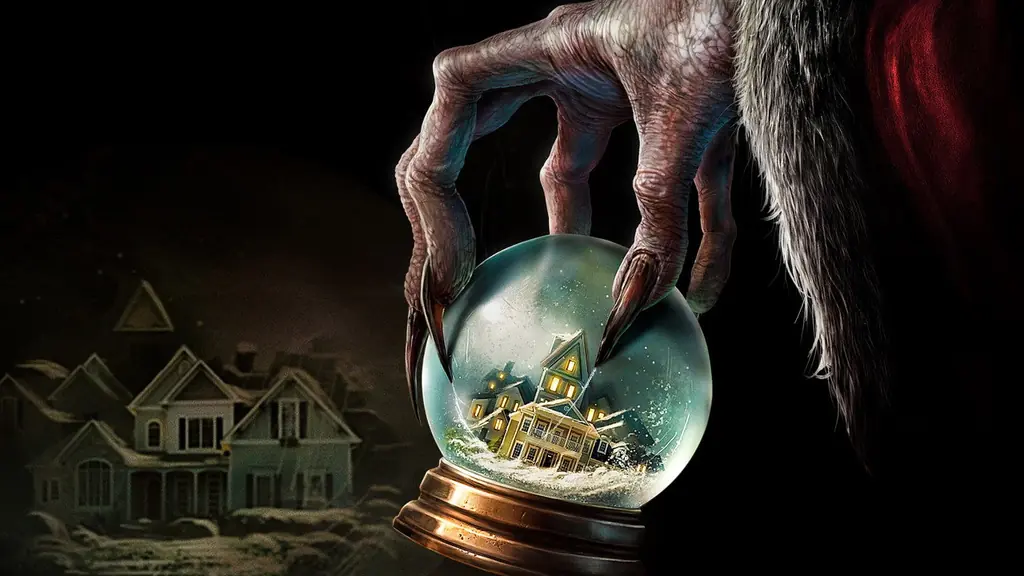
The idea of merging Christmas and Halloween is a surefire way to grab attention, and Krampus certainly did. Audiences were eager for a fresh take on holiday horror, moving beyond the jolly St. Nicholas to explore his darker counterpart. This film dives into the fable of the shadow of St. Nicholas, the dark entity known as Krampus, who brings terror instead of toys. The setup initially promises a chilling home invasion scenario, as a family finds themselves cut off by a blizzard, facing an ancient evil.
The Lead Dynamic & The Action
However, the family dynamic quickly becomes a point of contention. What starts as a typical dysfunctional holiday gathering, reminiscent of "Christmas Vacation," quickly sours. The in-laws, including characters played by David Koechner and Conchata Ferrell, are portrayed as so genuinely unlikable that it becomes difficult to root for their survival. This creates an unusual tension where viewers might find themselves siding with the monstrous Krampus rather than the human protagonists, undermining the intended horror. Despite this, the film excels in creating a claustrophobic atmosphere. Trapped in their home by a raging blizzard with no power, the family's isolation feels genuinely Stephen King-esque, amplifying the dread.
Cameos, Nostalgia & Narrative Stakes
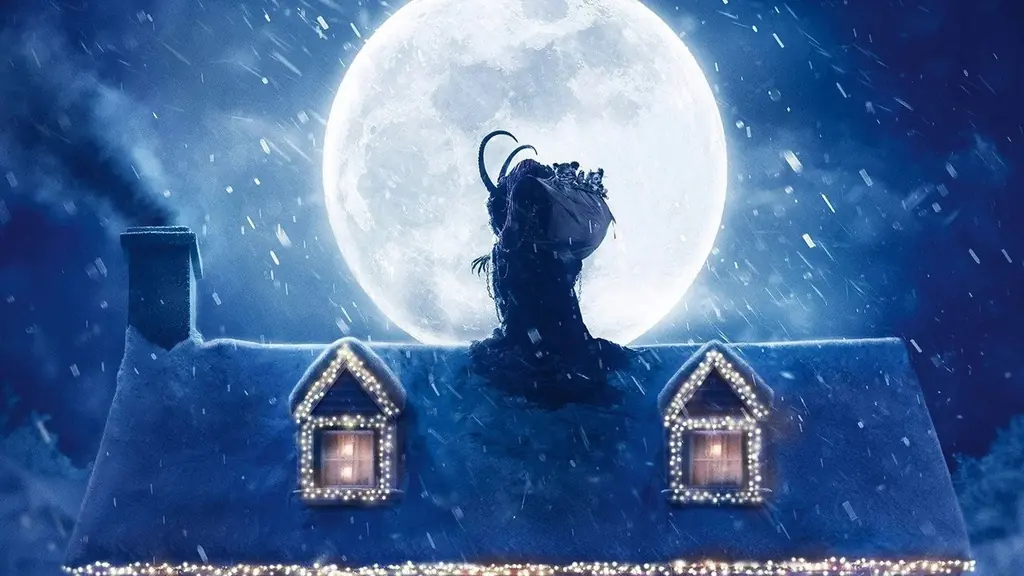
The first glimpse of Krampus himself is a highlight, with the creature howling and running across the rooftop, evoking a terrifying presence akin to "The Howling Man" from "The Twilight Zone." Yet, this initial impact is unfortunately diluted. The film, despite being named after its titular monster, focuses heavily on Krampus's minions – the cookie gingerbread men and horrifying clown boxes – rather than the main antagonist. This decision leaves Krampus feeling underutilized, a powerful entity relegated to a supporting role when he should have been the terrifying star, constantly trying to breach the home.
Tone, Direction & Creative Freedom
Michael Dougherty's direction attempts to balance horror and dark comedy, but the film often feels like "horror movie 101," treading familiar ground without much innovation. A significant creative constraint appears to be the PG-13 rating. There's a palpable sense that the film is holding back, hinting at a darker, more visceral experience that was either toned down or never fully realized. Moments that clearly yearn for an R-rating, like a character's frustrated outburst, feel neutered, leaving the audience with a sense of missed opportunity for a truly unhinged holiday horror.
The Final Verdict
Ultimately, Krampus delivers on its promise of simple entertainment. The premise of an evil St. Nick is undeniably cool, but the execution often feels wasted due to the monster's limited screen time and the film's reluctance to fully embrace its darker potential. It's an average home invasion horror movie with some well-executed moments and others that fall flat. While it might not be the holiday horror classic many hoped for, it serves as a decent, if somewhat diluted, seasonal diversion.
What Worked
- Intriguing premise merging Christmas and Halloween
- Effective claustrophobic atmosphere during the blizzard
- Krampus's initial appearance is genuinely terrifying
- Minions like gingerbread men and clown boxes add unique horror
What Didn't Work
- Unlikable family members make it hard to root for them
- Krampus is underutilized, with too much focus on minions
- Plot feels like "horror movie 101" and is predictable
- PG-13 rating holds back the film's potential for true horror