Introduction
The anticipation for La La Land was palpable, especially coming from Damien Chazelle, the visionary behind "Whiplash." Audiences were eager to see if this new endeavor could capture the same magic, and it delivered a vibrant, heartfelt experience that felt both fresh and deeply nostalgic. From the opening frame, the film invites viewers into a world where the line between reality and musical fantasy blurs, promising a journey filled with hopes, dreams, and the undeniable allure of Hollywood.
The Lead Dynamic & The Action
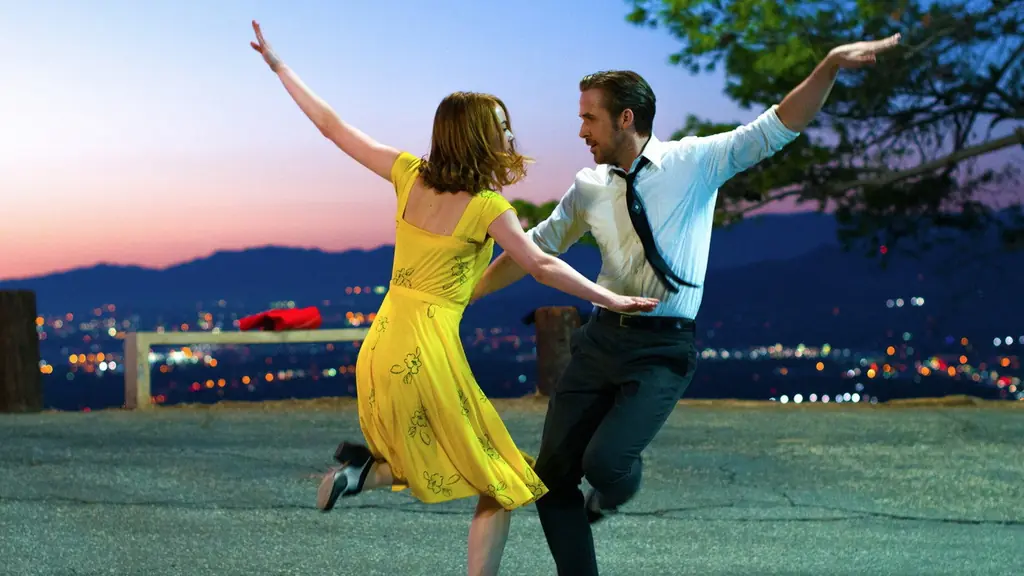
At the heart of La La Land is the undeniable chemistry between Emma Stone and Ryan Gosling. Their dynamic is not just cute; it's a believable romance unfolding amidst a world where people spontaneously burst into song and dance. The film masterfully integrates its musical numbers, making them feel organic and seamless, a stark contrast to the jarring transitions often found in modern musicals. It’s a testament to the film’s construction that these elaborate sequences appear as if captured in a single, flowing shot, much like the acclaimed techniques seen in "Birdman." And speaking of talent, Ryan Gosling continues to impress, adding piano skills to his already extensive repertoire, making one wonder if there’s anything the man can’t do.
Cameos, Nostalgia & Narrative Stakes
La La Land is a profound love letter to the golden age of Hollywood musicals, capturing their spirit with a reverence that few contemporary films achieve. It doesn't just mimic the past; it reinvents it, offering a blueprint for how modern musicals can truly work. The narrative delves into the struggles of aspiring artists, with Emma Stone as a hopeful actress and Ryan Gosling as a passionate jazz enthusiast, both navigating the challenging landscape of Hollywood. Their journey is one of dating, creative collaboration, and sharing dreams, but it’s also grounded in the harsh realities of ambition, compromise, and relationships. The film concludes in a very rare and satisfying way, acknowledging the complexities of life without shying away from a bittersweet truth.
Tone, Direction & Creative Freedom
Damien Chazelle’s signature touch is evident throughout, particularly in his masterful incorporation of music. Much like in "Whiplash," music isn't just a backdrop; it's a character in itself, driving the narrative and enriching the emotional landscape. The film’s ability to make jazz feel accessible and appreciated is remarkable, inspiring a newfound interest in the genre. Damien Chazelle’s direction ensures a consistent tone, blending whimsical fantasy with grounded reality, proving that with creative freedom, a musical can transcend expectations and become a truly impactful cinematic experience.
The Final Verdict
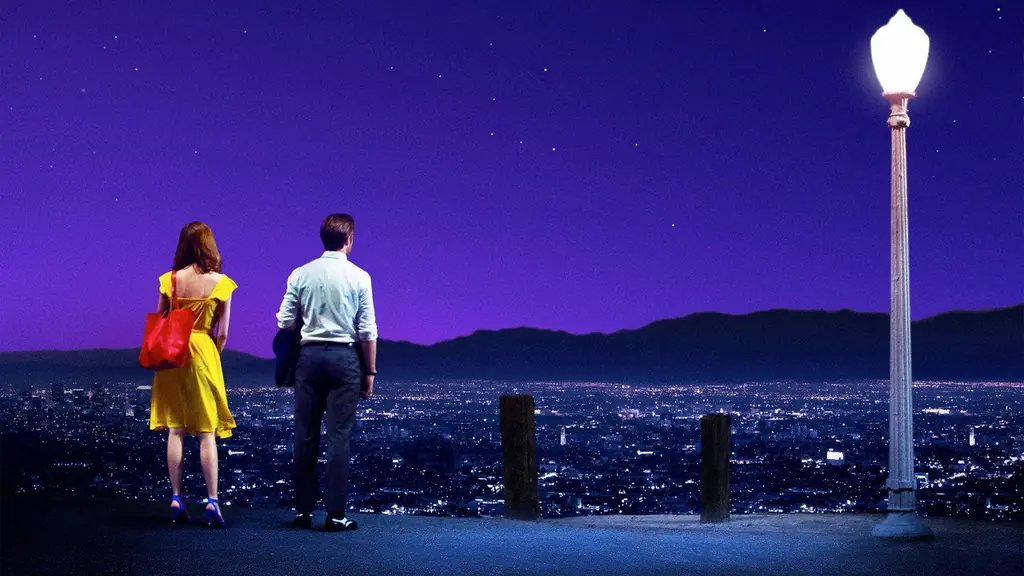
La La Land is a sweet, exceptionally well-crafted film that offers enjoyment on multiple levels. It’s a vibrant, emotional journey that celebrates the magic of musicals while exploring the poignant realities of pursuing dreams. This is a film that not only entertains but also leaves a lasting impression, making it a must-watch for anyone who appreciates a blend of classic charm and contemporary storytelling.
What Worked
- Exceptional chemistry between Emma Stone and Ryan Gosling.
- Seamless and organic integration of musical numbers.
- A heartfelt love letter to classic Hollywood musicals.
- Realistic portrayal of ambition, compromise, and relationships.
- Damien Chazelle's masterful direction and use of music.
What Didn't Work
- The bittersweet, realistic conclusion might not satisfy all viewers seeking a purely fairytale ending.
- Its musical format, while expertly handled, might still be a barrier for audiences generally averse to the genre.
- The film's deep dive into jazz culture might not resonate with all audiences.