
Introduction
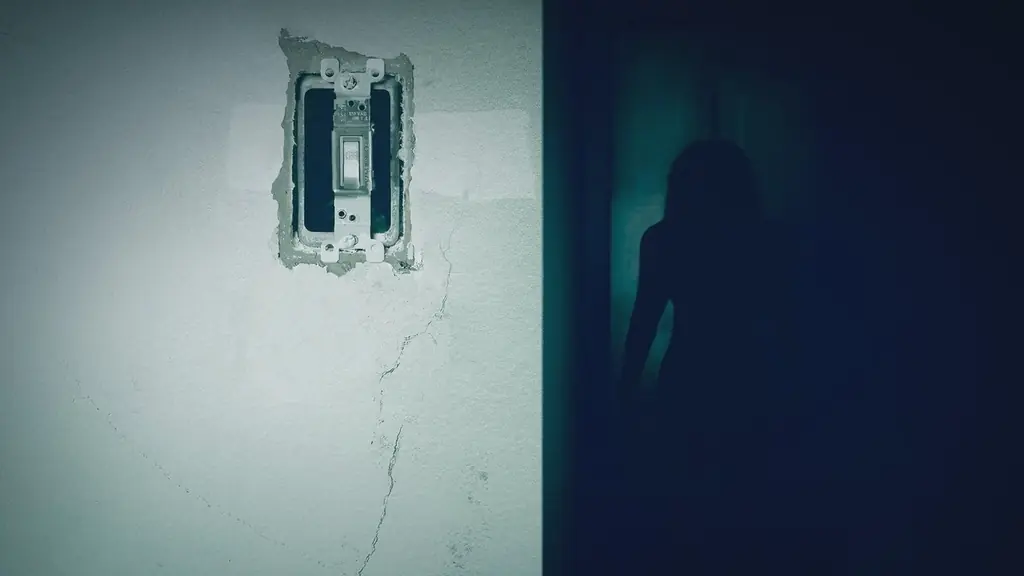
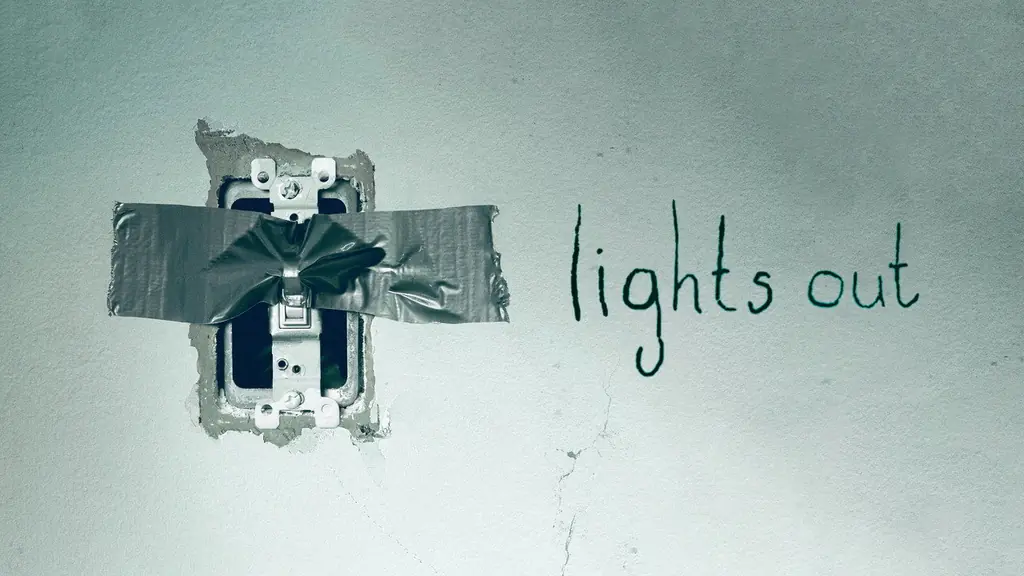
For anyone who thought they'd outgrown the childhood fear of the dark, Lights Out is here to remind you that some primal anxieties never truly fade. This horror flick masterfully resurrects that innate dread, introducing an entity that thrives in shadow and vanishes with the flick of a switch. It's a brilliant, simple premise that immediately hooks the audience, playing directly into our evolutionary wiring to be wary of what lurks beyond the light.
The Lead Dynamic & The Action
Beyond its clever concept, Lights Out benefits from surprisingly strong performances that elevate it above typical genre fare. The young actor Gabriel Bateman delivers a commendable turn, while Maria Bello as the troubled mother adds significant emotional weight, injecting layers of complexity often overlooked in horror. The film excels at building genuine tension, opting for creeping dread over cheap jump scares. Moments like a hand slowly wrapping around a door frame are far more effective, creating a palpable sense of unease. The final act, in particular, is a masterclass in suspense, delivering a truly scary and eerie conclusion that leaves viewers on the edge of their seats.
Cameos, Nostalgia & Narrative Stakes
Interestingly, Lights Out began its life as a short film, and its successful expansion into a feature-length narrative is a testament to its compelling core idea. However, this transition isn't without its minor stumbles. While the premise is strong, the film struggles to provide a fully satisfying explanation for the entity's existence or rules. It presents multiple possibilities, leaving the audience with a sense that crucial information is missing rather than an intriguing ambiguity. Furthermore, a word of caution: the trailers for this film reveal far too much of the plot, so it's best to go in as blind as possible. The movie also falls prey to some common horror clichés, with characters occasionally making questionable decisions that might elicit a groan or two from seasoned horror fans.
Tone, Direction & Creative Freedom
Director David F. Sandberg demonstrates a keen understanding of how to manipulate light and shadow to maximum effect, crafting a consistently unsettling atmosphere. The film's tone is relentlessly anxious, effectively preying on the universal fear of the unknown that the dark represents. Despite its narrative shortcomings regarding the entity's backstory, the film never loses sight of its primary goal: to scare its audience. It delivers a sustained sense of dread that few contemporary horror films achieve, proving that sometimes, the simplest fears are the most potent.
The Final Verdict
Ultimately, Lights Out is a suspenseful, creepy, and anxiety-inducing horror experience that delivers more than one might expect. With its fresh take on a classic fear and strong performances, it's a film that genuinely gets under your skin. While it has its share of horror tropes and a somewhat ambiguous explanation for its central threat, it's undeniably worth watching and even worth adding to your collection for its effective scares and unique premise.
What Worked
- Clever and fresh premise that exploits primal fear of the dark.
- Strong performances, particularly from the child actor and Maria Bello.
- Effective tension building through atmosphere rather than relying solely on jump scares.
- Suspenseful and eerie last act that delivers genuine scares.
- Successfully expanded from a short film into a compelling feature.
What Didn't Work
- Trailers reveal too much of the plot, diminishing some surprises.
- Lacks a clear and satisfying explanation for the entity's origins or rules.
- Features some common horror movie clichés, including characters making questionable decisions.



