Introduction
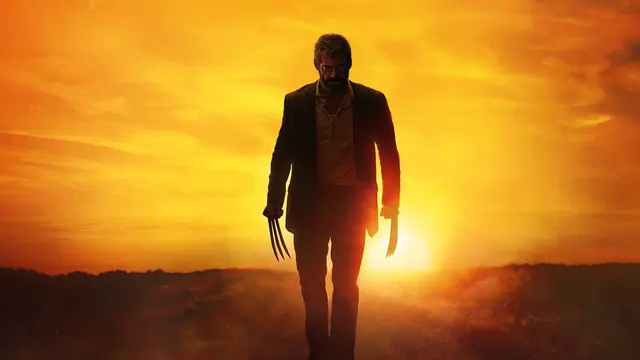
Logan arrived with immense anticipation, promising a darker, more mature chapter for Wolverine. This isn't just another X-Men movie; it's a gritty, R-rated journey into the twilight years of Hugh Jackman's iconic mutant. From the outset, the film establishes its hard-R tone, immediately signaling a departure from previous installments. We find a much older, weathered Logan, caring for a sick Charles Xavier, both at the end of their rope, having seen too much and grown bitter with the world.
The Lead Dynamic & The Action
The dynamic between Logan, Xavier, and the ferocious young mutant Dafne Keen as X-23 is the beating heart of this story. X-23 is an absolute force, savage when she needs to be, and her "bloody dagger glare" is unforgettable. She's not just scowling; she's radiating pure, unadulterated fury.
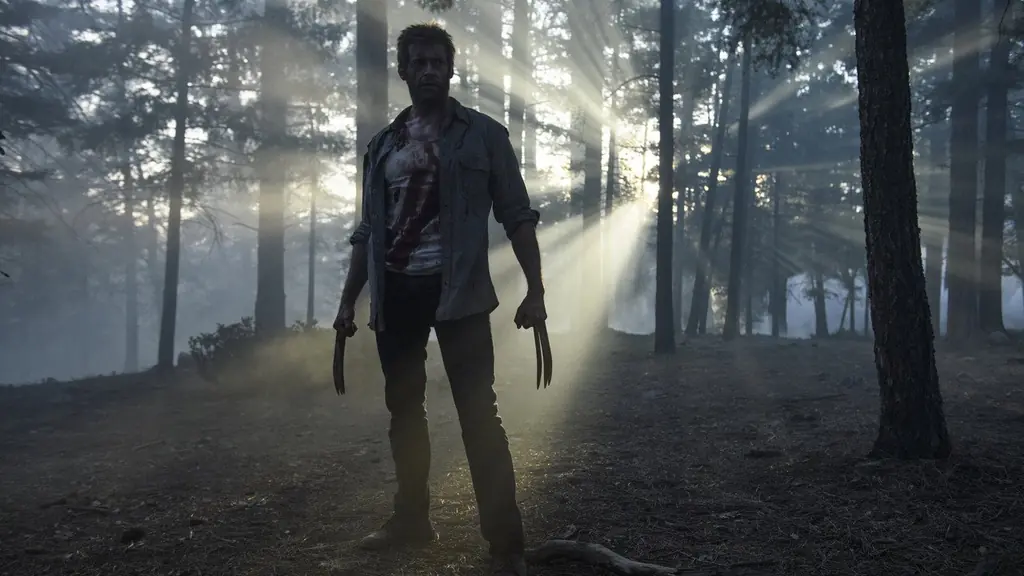
Action sequences are visceral and impactful, truly earning that R-rating. When Wolverine "flips his [expletive] and starts shredding," the audience finally sees the brutal reality of his claws in action. The blood and gore feel organic, a natural extension of the character's powers, not just gratuitous violence. The film delivers on the promise of hard-R action, making previous attempts at showing Wolverine's ferocity seem tame by comparison.
Even the "Robo-armed villain dude" (played by Boyd Holbrook) holds his own, proving to be a snarky, menacing presence who can verbally spar with Hugh Jackman.
Cameos, Nostalgia & Narrative Stakes
This isn't an X-Men movie in the traditional sense; it's a deeply personal, somber character study. It stands in stark contrast to the "fun, destructive nonsense" of films like X-Men: Apocalypse, offering a more grounded and emotional narrative. The film successfully avoids being just another superhero spectacle, instead focusing on the human (or mutant) element.
The R-rated language, particularly from Patrick Stewart's Charles Xavier, initially raised eyebrows. However, within the context of these weathered, frustrated characters, every "f***" feels earned and natural. They are a hardcore version of Statler and Waldorf, and their exasperation resonates deeply.
The narrative stakes are clear: Logan and Xavier are pulled into protecting X-23 from relentless pursuers, echoing the "Terminator 2 style" of a guardian protecting a child from an army of bad guys.
Tone, Direction & Creative Freedom
Director James Mangold masterfully crafts a tone that is both brutal and emotionally resonant. While the film is long and occasionally "dips down" in pace, these moments serve a clear purpose, building character and emotional payoff rather than feeling like lulls. The creative freedom afforded to the filmmakers is evident, allowing for an uncompromised vision that truly explores the darker facets of these beloved characters.
The success of Deadpool undoubtedly paved the way for Logan's R-rating, allowing for a more authentic portrayal of Wolverine's powers and the harsh reality of his world.

The Final Verdict
Ultimately, Logan is everything fans wanted and more. It's a powerful, poignant, and action-packed conclusion to Hugh Jackman's tenure as Wolverine, delivering a personal story about awakening something dormant in a man who thought he was done. It's a spectacular, awesome ride.
What Worked
- Authentic R-rated action and violence
- Powerful performances from Hugh Jackman, Patrick Stewart, and Dafne Keen
- Deeply personal and somber character story
- Organic use of R-rated language
- Compelling villain
What Didn't Work
- Pacing occasionally slows down (though justified by the narrative)



