
Introduction
From the opening frames, Lone Survivor throws audiences headfirst into a moral quandary as intense as any firefight. Imagine a scenario where a choice between doing the "right" thing and ensuring survival leads straight into a living nightmare. That's precisely the agonizing dilemma faced by a team of Navy SEALs in Afghanistan, tasked with neutralizing a Taliban commander. Their encounter with a few goat herders, potentially linked to the enemy, forces a decision: release them and risk exposure, or eliminate them and compromise their ethics. Opting for the former, the team quickly learns the devastating consequences of their "Paragon" choice, unleashing a relentless torrent of hell.
The Lead Dynamic & The Action
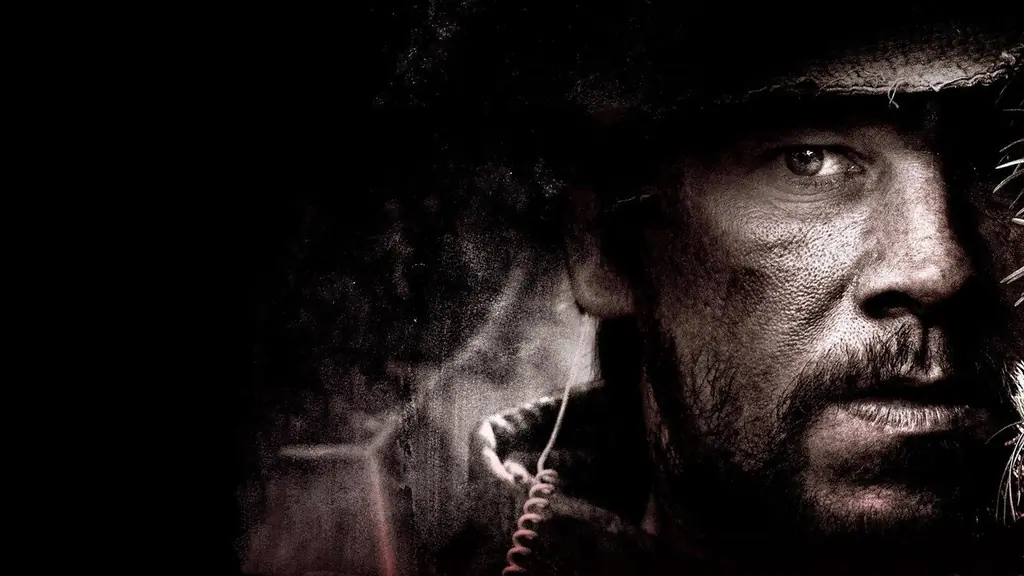
This film isn't about deep character studies or intricate backstories; it's about the raw, visceral experience of survival. While the initial character setup might leave viewers wondering "what are their names again?", the film quickly pivots to an almost unbearable intensity. The action sequences are a masterclass in realism, eschewing the bombastic, "Michael Bay-ed out" explosions for something far more terrifying: genuine, close-quarters combat. Bullets rip through trees, bodies are thrown, and the sense of being surrounded is palpable. It's claustrophobic, a relentless onslaught that feels less like a movie and more like a nightmare, or perhaps a particularly brutal round of "Left 4 Dead" where waves of enemies just keep coming. The sheer physicality and desperation of the fight for life are unsettling, making the audience feel every impact and every desperate breath.
Cameos, Nostalgia & Narrative Stakes
While Lone Survivor doesn't prioritize establishing deep emotional connections with its characters, it excels at portraying the brutal reality of their situation. The narrative stakes are immediately clear: survive at all costs. The film has faced criticism for being "American propaganda," a label that feels unfair and trivializing. It harks back to a time when war movies could simply be movies, without being immediately politicized. Instead, the film focuses on a respectful representation of the ordeal these soldiers endured, highlighting the complexities of the conflict rather than offering simplistic answers. It's a testament to the human spirit under unimaginable duress, rather than a jingoistic rallying cry.
Tone, Direction & Creative Freedom
Surprisingly, Peter Berg helms this intense drama, a director whose filmography includes both the critically panned "Battleship" and the acclaimed "Collateral." It seems Berg operates on two different wavelengths, and thankfully, Lone Survivor falls squarely into his "good movies" category. His direction here is focused, gritty, and unflinching, capturing the chaos and desperation without resorting to gratuitous spectacle. Crucially, the film also makes an effort to illustrate that Afghanistan isn't a monolithic entity of "bad guys." It shows that amidst the conflict, there are good, civilian people who are not aligned with the Taliban, challenging the "tunnel vision" that often accompanies news coverage of such regions. This nuanced portrayal adds a layer of depth often missing from similar war narratives.
The Final Verdict
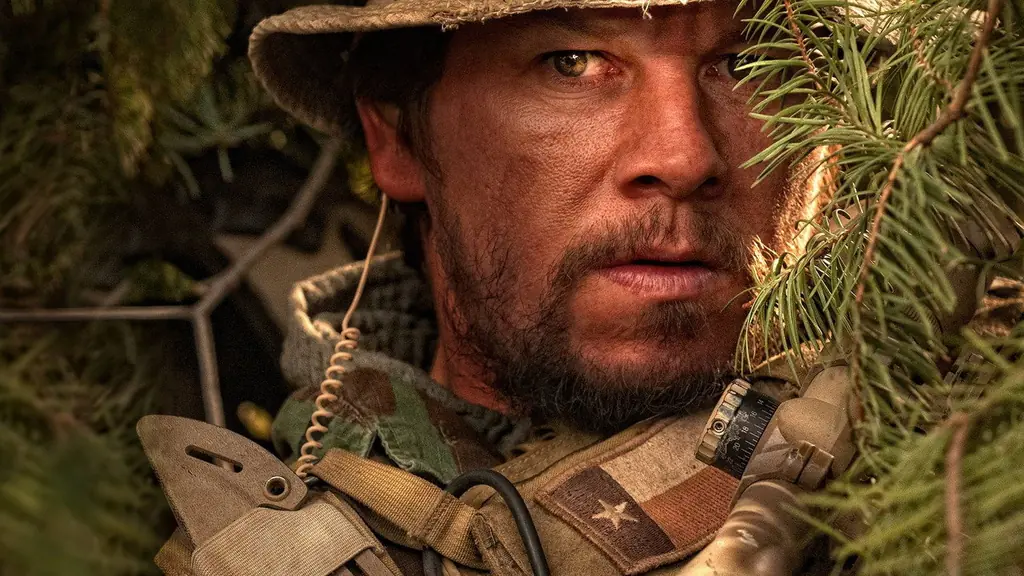
Lone Survivor is a very strong, realistic take on a war situation that spirals out of control with terrifying speed. While it might not be a deep character study, it's a powerful and respectful depiction of an impossible ordeal. Every performance, from Mark Wahlberg to Taylor Kitsch, Emile Hirsch, and Ben Foster, contributes to the film's raw authenticity. Forget comparisons to "Saving Private Ryan"; this is more akin to this decade's Black Hawk Down, delivering a relentless, visceral experience that will leave audiences breathless and deeply affected. It's a film that demands to be seen for its unflinching portrayal of courage and survival.
What Worked
- Visceral, realistic, and intense combat sequences
- Unflinching portrayal of the brutal realities of war
- Effective creation of a claustrophobic, nightmarish atmosphere
- [[person:36602|Peter Berg]]'s surprisingly strong and focused direction
- Nuanced depiction of Afghanistan, avoiding simplistic narratives
What Didn't Work
- Lacking in deep character development and setup
- Some emotional beats fall flat due to weak character connection
- Pacing occasionally suffers from the limited character investment
- Could be misconstrued as propaganda by some viewers



