Introduction
How does one truly critique a film that revels in its own campy, unapologetic shittiness? This is the core question facing Machete Kills, the sequel that doubles down on the Grindhouse aesthetic established by its predecessor. Audiences stepping into this world anticipate a terrible yet fun bloodbath exploitation movie, and on that front, Machete Kills largely delivers. While it might lack the digital grain, sprocket jumps, and artificial scratches that made other Grindhouse films feel like decades-old prints, make no mistake: this is a Grindhouse movie through and through, and it executes its mission with gleeful abandon.
The Lead Dynamic & The Action
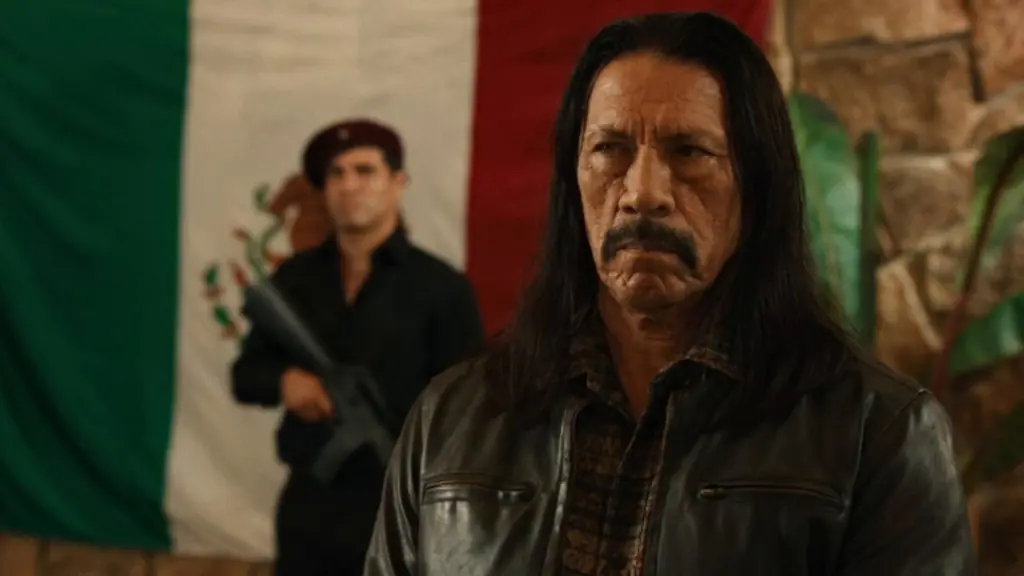
Danny Trejo returns as the titular Machete, a man whose name perfectly describes his preferred method of dispatch. But where the first film was a straightforward exploitation romp, Machete Kills takes everything to the next level. It evolves into a "shitty James Bond movie" complete with an array of spy gadgetry and a surprising dabble into sci-fi territory. The action is relentless, designed to satisfy that primal urge for "exploitation blood violence." It's a live-action cartoon, a graphic novel brought to life, crafted to ignite the simplest, most visceral part of the brain that just wants to see mayhem unfold.
Cameos, Nostalgia & Narrative Stakes
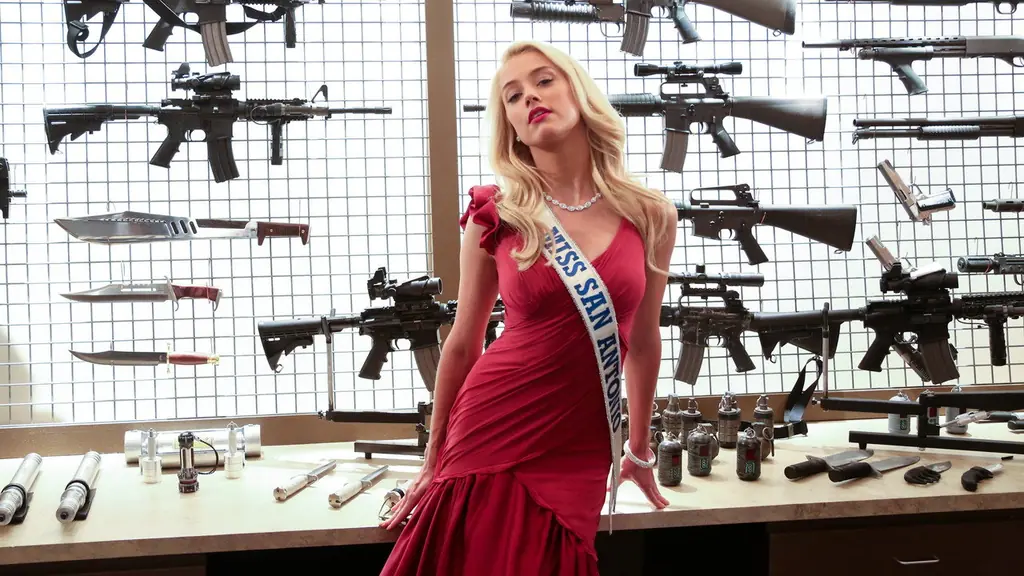
One of the film's undeniable draws is its "great legit cast." From Mel Gibson to Charlie Sheen (credited as Carlos Estevez, a brilliant marketing and comedic touch), the roster is packed with familiar faces. However, this abundance of talent also contributes to one of the film's main weaknesses. The narrative often feels "sloppy," with "too many characters" and "too many plot lines" vying for attention. It's a film that could have benefited from tighter editing, with several segues and plot points feeling extraneous. The reviewer noted that the film "could have been a half an hour shorter and it would have been great," suggesting that while the ambition is appreciated, the execution sometimes loses its way in the sheer volume of its own ideas.
Tone, Direction & Creative Freedom
Robert Rodriguez embraces the film's campy nature, crafting a movie with "no shame." The tone is consistently over-the-top, never taking itself seriously, and that's precisely its charm. It's a film that doesn't aspire to win prestigious awards but rather to entertain a specific audience. The reviewer posits that many critics, in the years between the first and second film, "forgot how to have fun" with this type of movie. Machete Kills is a testament to creative freedom, allowing its filmmakers to go wild and deliver a product that is exactly what it promises: a campy, corny, fun, and bloody experience.
The Final Verdict
Ultimately, Machete Kills was made for a very particular audience: those who enjoyed the original Machete and have a soft spot for Grindhouse cinema. If you didn't connect with those films, this sequel won't change your mind. But for those who appreciate its unique brand of chaotic, bloody fun, it's a "great time no alcohol required." It's a movie that understands its purpose and fulfills it with a relentless, entertaining energy, proving that sometimes, all you need is a machete and a whole lot of audacity.
What Worked
- Unapologetic, campy Grindhouse fun
- Star-studded cast with memorable cameos
- Escalates the action with spy gadgets and sci-fi elements
- Relentless, bloody exploitation violence
- A genuinely entertaining "live-action cartoon"
What Didn't Work
- Lacks the authentic digital grain of other Grindhouse films
- Sloppy storytelling with too many plot lines
- Overstuffed with characters, leading to narrative bloat
- Could have been significantly shorter for better pacing