Introduction
The anticipation for Maleficent was palpable, promising a fresh perspective on one of Disney's most iconic villains. Audiences were ready to dive into the untold story of the "bad chick" from Sleeping Beauty, eager to understand the motivations behind her infamous curse. This live-action reimagining aimed to peel back the layers, suggesting that perhaps Maleficent wasn't just pure evil, but a character shaped by circumstance.
The concept of revisiting beloved Disney tales with a new spin, especially one that humanizes a classic antagonist, resonated deeply. The idea that these stories, ingrained in our collective DNA, could be re-explored through a different lens was genuinely appealing.
The Lead Dynamic & The Action
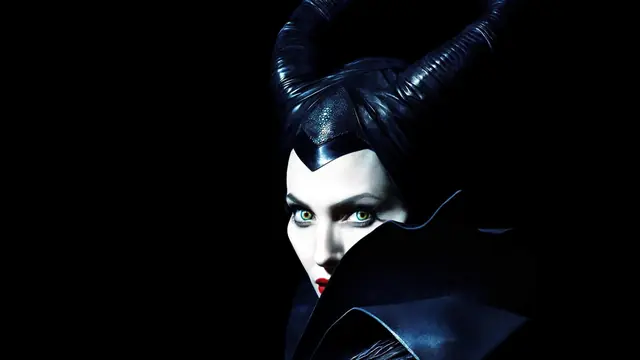
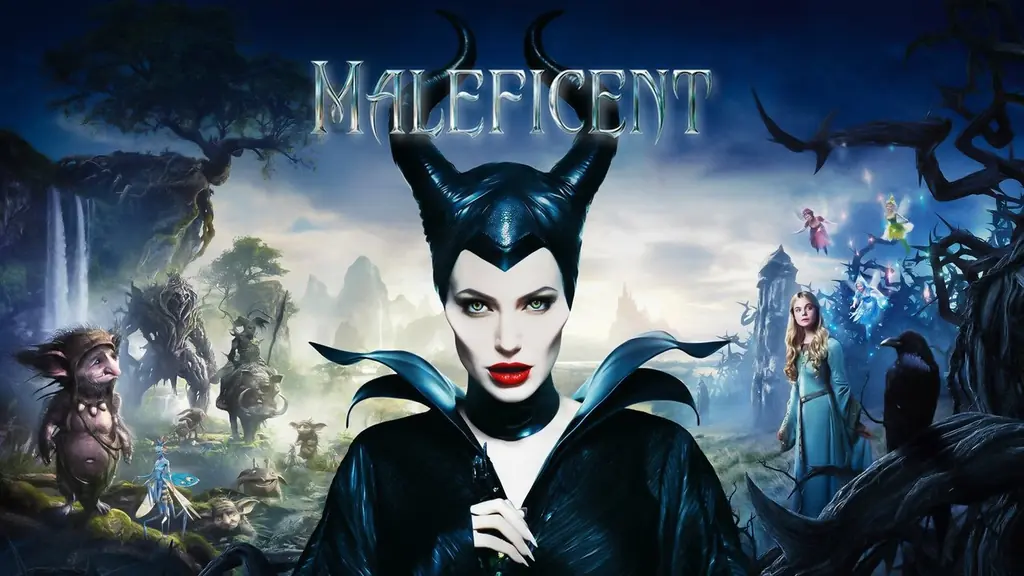
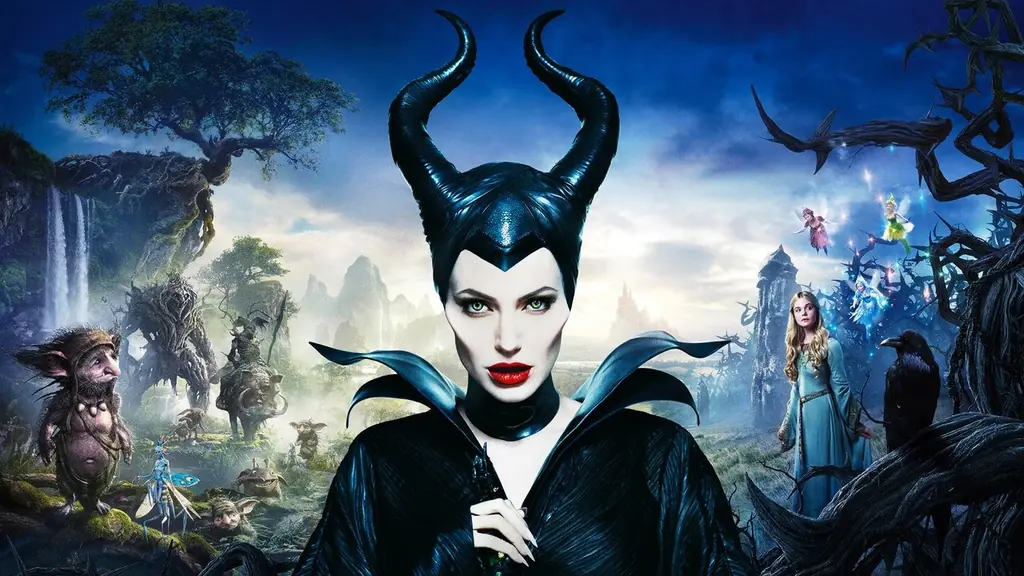
Angelina Jolie's casting as Maleficent was a stroke of genius, widely considered the best possible choice for the role. From the outset, the film's first 30 minutes are particularly strong, establishing Maleficent's youth and her hopeful beginnings before events take a dark turn. This "fall from grace" is depicted with more emotional weight than many other cinematic narratives.
However, the film's approach to the iconic curse proved to be a point of contention. While the animated classic boldly declared that Princess Aurora would "die" upon pricking her finger, Maleficent softens this to merely "sleep," with the assurance that she won't truly perish. This narrative choice, seemingly made to fit a PG rating, inadvertently lowers the stakes, making the animated version feel surprisingly bolder in its grim pronouncement. The shift from truly evil magic to mere "parlor tricks" as Maleficent interacts with Aurora also dilutes her villainy, making her character arc feel less impactful.
Sharlto Copley delivers a standout performance as the King, whose descent into madness, fueled by his obsession with Maleficent, becomes one of the film's darkest and most compelling elements. His portrayal of a man losing his grip on reality is genuinely unsettling and a highlight.
Cameos, Nostalgia & Narrative Stakes
While the film takes significant liberties with the original fairy tale, not all deviations land effectively. The inclusion of a Prince character, for instance, feels entirely shoehorned and unnecessary. In a narrative focused on Maleficent and Aurora, the Prince's sudden appearance feels forced, adding little to the plot and serving primarily as a nod to the original story rather than a meaningful contribution.
The film's pacing, at times, feels sloppy, rushing through potentially dire situations. Moments that could have carried significant weight are quickly resolved, preventing any lasting sense of peril or consequence. This contributes to an overall feeling that the narrative avoids truly challenging its characters or its audience.
The ending, in particular, draws criticism for being too "nice and tidy." For a film centered on a villain, the conclusion lacks the punch or complexity one might expect, opting for a resolution that feels safe rather than impactful. While not every Disney live-action remake needs to be a profound, multi-layered masterpiece, a story about a villain protagonist could have explored more nuanced and less conventional outcomes.
Tone, Direction & Creative Freedom
Maleficent, directed by Robert Stromberg, aims for a darker, more empathetic portrayal of its titular character. The film successfully establishes Maleficent's perspective, allowing audiences to understand her motivations and journey. It's a story that asks viewers to consider her side, challenging preconceived notions of good and evil within the fairy tale framework.
Despite some narrative missteps and pacing issues, the film largely succeeds in its core mission: to give Maleficent a compelling character arc. It concentrates on her story, allowing her to articulate her dictum and for audiences to grasp her complex nature by the time the credits roll.
The Final Verdict
Ultimately, Maleficent offers a surprisingly enjoyable experience, especially when viewed as a PG-rated live-action remake for families. While it occasionally stumbles with its narrative choices—particularly in softening its villain's edge and delivering a too-neat ending—it remains a "good time." The film's greatest strength lies in its central performance and its commitment to exploring the villain's perspective, making it a worthwhile watch for those seeking a fresh, albeit family-friendly, take on a classic.
What Worked
- [[person:11701|Angelina Jolie]]'s captivating and perfectly cast performance.
- A compelling and empathetic origin story for Maleficent.
- Strong and engaging setup in the film's initial 30 minutes.
- [[person:82191|Sharlto Copley]]'s unsettling portrayal of the King's descent into madness.
- Offers a fresh, darker spin on a classic Disney narrative.
What Didn't Work
- The iconic curse is watered down, lowering narrative stakes.
- An overly tidy and safe ending for a villain-centric story.
- The Prince character feels shoehorned and largely unnecessary.
- Sloppy pacing in parts, with quickly resolved dire situations.