The Long-Awaited Return to the Kombat
After decades of anticipation and a long shadow cast by the infamous Mortal Kombat Annihilation, the new Mortal Kombat (2021) finally arrives, promising a fresh, R-rated take on the beloved fighting game franchise. Fans have been clamoring for a film that truly embraces the brutal, fantastical spirit of the games, and this iteration, directed by Simon McQuoid, attempts to deliver on that promise. However, it positions itself less as a direct adaptation and more as a sprawling prequel, setting the stage for the iconic tournament rather than diving straight into it. This approach, while intriguing, leaves some fans yearning for the immediate gratification of the main event.
Charismatic Chaos and Brutal Brawls
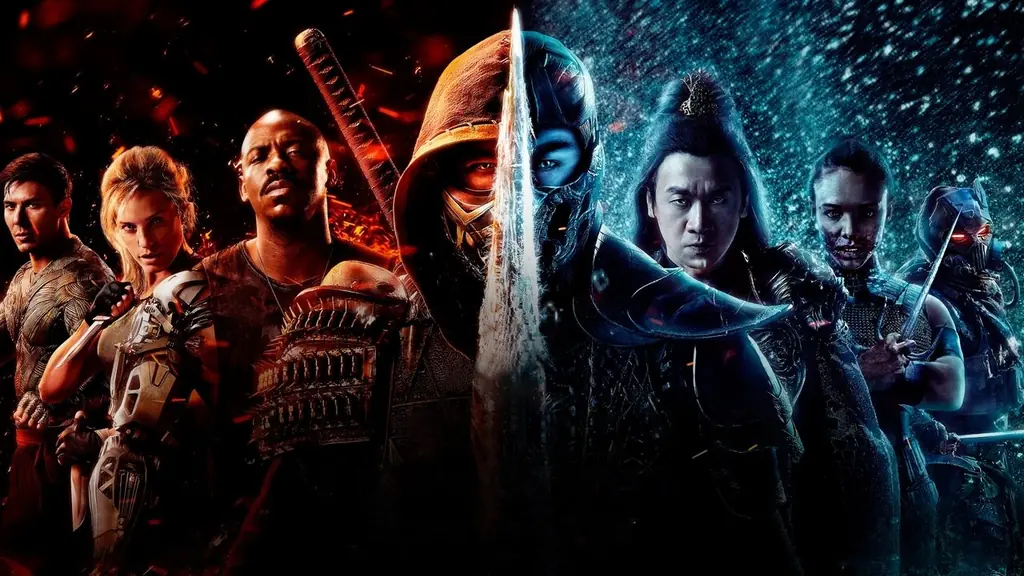
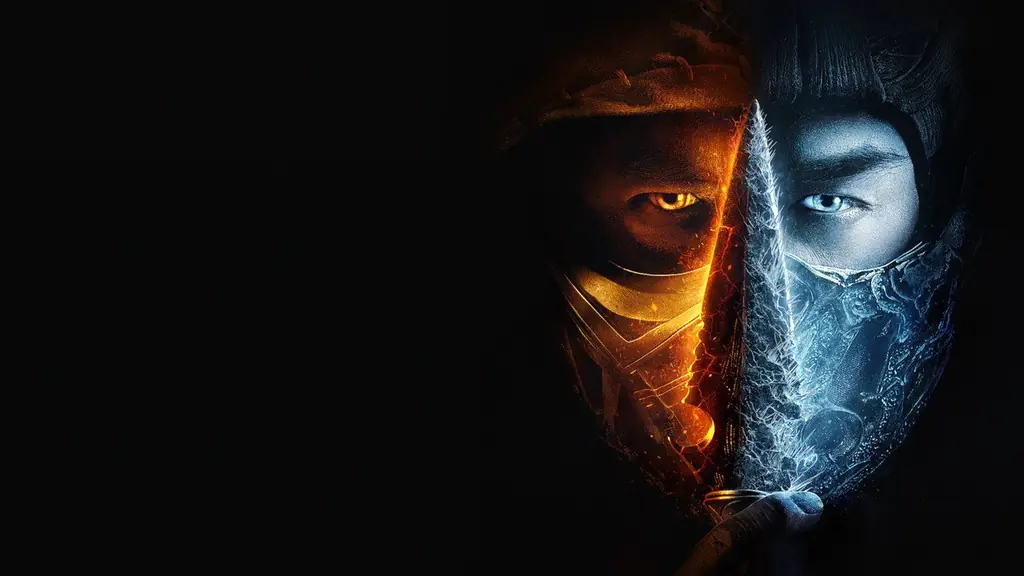
From its opening frames, Mortal Kombat hooks viewers with a compelling Tadanobu Asano (Scorpion) and Sub-Zero backstory, a hard-hitting sequence that immediately establishes the film's commitment to visceral action and fan service. For those clocking into this movie for the blood and gore, rest assured: it's here in spades. Fatalities are plentiful, and the R-rating is fully utilized, delivering the kind of brutal, over-the-top violence that defines the games. The film truly shines with its villains, particularly Max Huang's Sub-Zero, who is portrayed with a chilling, horror-movie-esque menace. His appearances are marked by growing fractals of ice and a palpable sense of dread, answering the long-asked question of what it would look like if Sub-Zero attacked in the real world.
Yet, the undisputed standout is Josh Lawson as Kano. His performance is the absolute soul of the character, delivering a constant stream of trash talk and disrespect that makes him a complete, lovable dog. Kano's presence elevates every scene he's in, providing much-needed comedic relief and a genuine sense of personality amidst a cast that, at times, struggles to connect. While the film boasts some genuinely amazing fight sequences, there's an undeniable contrast with others that feel shoddy and quick, a recurring theme of give-and-take that defines this adaptation. The film also notably lacks the team synergy that made the original 1995 movie so memorable, with characters like Jessica McNamee (Sonya Blade) and Mehcad Brooks (Jax) feeling somewhat sidelined.
Prequel Pacing and Character Conundrums
One of the film's most significant narrative choices is its focus on Lewis Tan's Cole Young, a new character created for this adaptation. While the idea of introducing new blood isn't inherently flawed, especially given the vast roster of characters in the Mortal Kombat lore, Cole often comes across as wooden and uninteresting. This decision to center the story around a new, less compelling protagonist, while pushing established fan favorites like Liu Kang and Kung Lao into generic support roles, feels like a misstep. These legacy characters, despite their iconic powers, lack the depth and intrigue they deserve, making them feel like mere placeholders.
This creates a divide among fans: those who prioritize "gore before lore" might be satisfied with the sheer spectacle, but those who value the rich storytelling and character development of the games will feel the loss. The film attempts to reference deep cuts from the lore, but sometimes these feel like hollow nods, as seen with a particular character fighting Jax who has no lines and serves little purpose beyond a quick fight. The narrative largely revolves around the gathering of champions and the impending threat from Outworld, but the absence of the actual tournament and its established rules is a constant point of contention for those who appreciate the structured world of Mortal Kombat.
A Tone That Hits, But Not Always the Mark
Mortal Kombat largely nails the tone and vibe that fans have been craving. The commitment to an R-rating allows for the unbridled violence and dark humor that are hallmarks of the franchise. Director Simon McQuoid clearly understands the aesthetic, delivering a visually striking film that feels authentic to the source material. The film ends on a high note with an epic final battle, leaving audiences with a sense of excitement for what's to come. It feels like a setup, a "calm before the storm" that promises the true Mortal Kombat tournament in a potential sequel.
The Final Verdict
Ultimately, Mortal Kombat is a film of stark contrasts. It delivers on the promise of brutal, bloody action and features a truly standout performance from Josh Lawson as Kano, who single-handedly injects much-needed personality and humor. However, its narrative choices, particularly the introduction of a bland new protagonist and the sidelining of beloved legacy characters, prevent it from reaching its full potential. While it serves as an entertaining, if imperfect, appetizer for the main event, it leaves audiences hungry for the true tournament. Fans of the franchise will find plenty to enjoy, especially the gore and the charismatic villains, but it's clear that with some character refinement and a stronger focus on its established lore, the next installment could be a truly kick-ass Mortal Kombat movie. This one, while fun, isn't quite there yet, but it lays a solid foundation for future battles.
What Worked
- Kano's scene-stealing, hilarious performance
- Visceral, R-rated gore and brutal fatalities
- Chilling and effective portrayal of Sub-Zero
- Strong opening Scorpion/Sub-Zero backstory
- Authentic tone and visual style of the franchise
What Didn't Work
- New protagonist Cole Young is largely uninteresting
- Legacy characters feel generic and sidelined
- Inconsistent quality in fight choreography
- Lack of team synergy among the heroes
- The main tournament is delayed, acting as a prequel