Introduction
Disney's strategy of transforming its beloved animated classics into live-action spectacles has become a familiar, if often frustrating, endeavor. With Mulan, the studio attempts to recapture the magic of its 1998 animated hit, but the result, much like other recent adaptations, feels like a hollow echo. The original tale of a young woman disguising herself as a man to take her ailing father's place in the army is inherently compelling, yet this live-action iteration struggles to justify its own existence, often feeling like a prolonged, less enjoyable version of a story we already know.
The Lead Dynamic & The Action
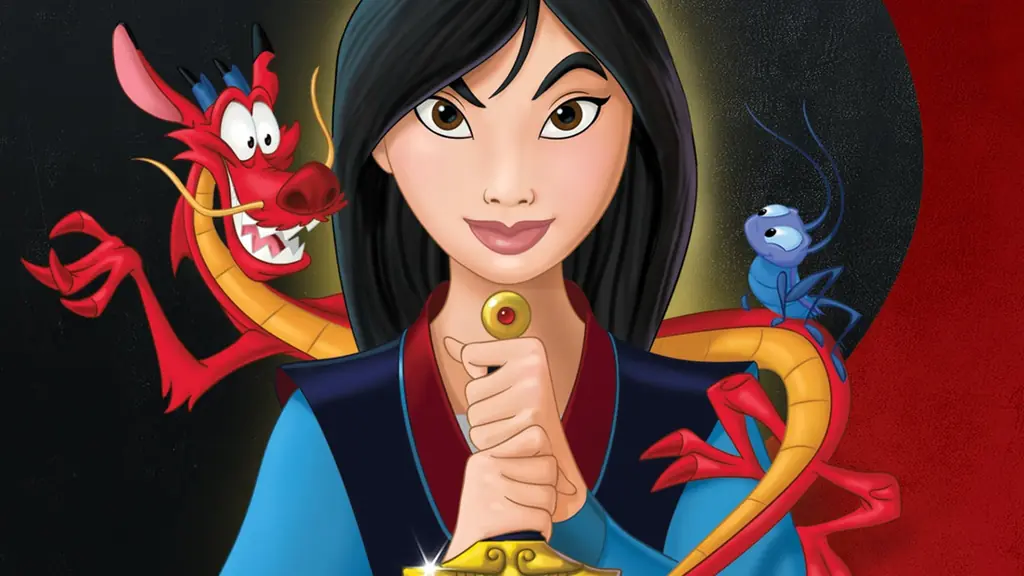
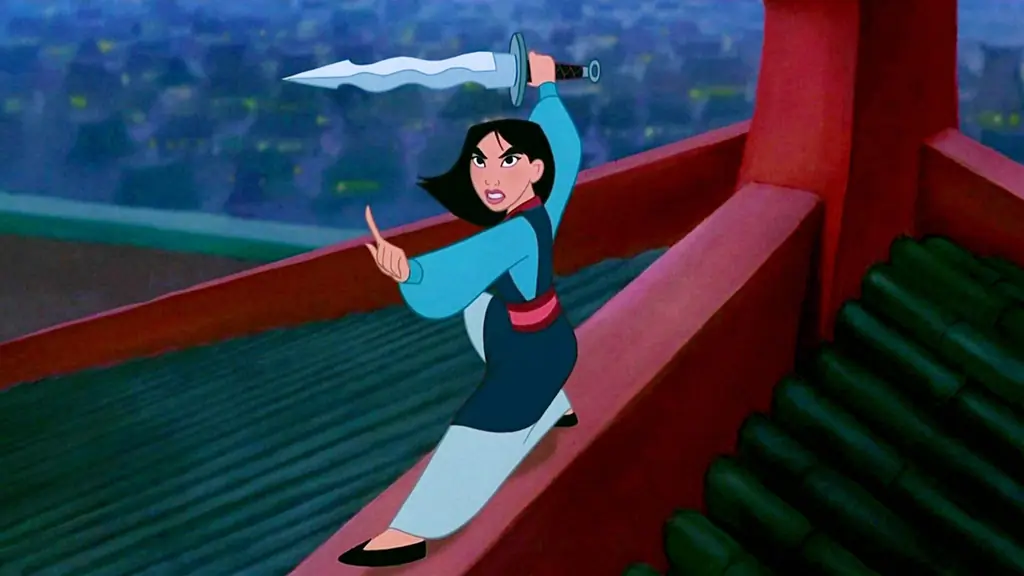
One of the most glaring issues in this adaptation is the absence of the vibrant supporting characters that gave the animated Mulan its heart and humor. The charismatic dragon, voiced by Eddie Murphy, is replaced by a silent, vaguely symbolic phoenix that serves as little more than a "waypoint from a video game." This decision strips the film of much-needed charm and comedic relief, leaving a noticeable void in character interaction. While some of the scenery occasionally impresses, particularly when the visual effects aren't overtly obvious, the reliance on green screen and CGI often pulls the viewer out of the experience. The action sequences, especially towards the film's climax, do offer moments of entertainment, but these are too few and far between to salvage the overall lack of engagement.
Cameos, Nostalgia & Narrative Stakes
The narrative, while generally following the animated blueprint, suffers from an inflated runtime that adds little substance. The story feels "drawn out," with scenes lingering longer than necessary, making the film feel like it's "inflating the run time" rather than enriching the plot. A significant misstep comes with the introduction of a second antagonist, a "witch lady" named Lady Hawk, alongside the original villain. This dual villain approach creates an imbalance, as Lady Hawk's motivations and allegiances shift unconvincingly, seemingly only to provide Ming-Na Wen's Mulan with a "you go girl moment." This forced messaging, where Mulan illogically "blows the whistle on herself" by shedding her armor in battle, prioritizes a contemporary message over logical storytelling and character consistency. The animated version, in contrast, delivered its lessons organically, emphasizing that "no matter what lie you're living eventually it will come to the surface."
Tone, Direction & Creative Freedom
Under the direction of Tony Bancroft, the film attempts to strike a more serious tone, but often achieves "more boring" rather than "darker." The impactful moments from the animation, such as the chilling scene with the messengers or the sudden shift in energy when the soldiers discover a burnt village, are rendered inert here. The live-action version "just kind of stroll[s] up onto it," lacking the emotional weight and dramatic punch of its predecessor. This "going through the motions" approach highlights a broader issue with many of Disney's live-action remakes: they replicate the plot points without understanding or recreating the emotional resonance and creative spirit of the originals. The film fails to justify its existence, offering nothing "endearing, charming, [or] generally enjoyable" that the animation didn't already do better.
The Final Verdict
Mulan stands as a stark reminder of the pitfalls of uninspired live-action adaptations. It's a film that actively drains the "soul, joy, and life" from its animated source material, leaving behind a largely forgettable experience. For those who cherished the original, this version offers little beyond a superficial retelling, proving to be another "nail in the coffin" for the live-action remake trend. Viewers are likely to "already forgot" this movie shortly after watching it, making the investment of time and money feel particularly unrewarding.
What Worked
- Some scenic visuals were impressive when not obviously CGI.
- Action sequences, particularly towards the end, offered moments of entertainment.
What Didn't Work
- Lacks the charm and charisma of the original's supporting characters.
- The phoenix companion is a poor substitute for the dragon.
- Unbalanced and ineffective dual villains.
- Inflated runtime without adding narrative value.
- Obvious CGI and green screen effects detract from visuals.
- Forced messaging over logical storytelling.