Introduction
The allure of racing movies often lies in their visceral thrills, while video game adaptations frequently struggle to capture the magic of their source material. When Need for Speed roared onto screens, based on the iconic game franchise, it arrived with a mix of anticipation and skepticism. Could it deliver the high-octane excitement fans craved, or would it crash and burn like so many before it? This film promised a cross-country dash for redemption, pitting a street racer against a system rigged against him, all while pushing the limits of speed and, perhaps, logic.
The Lead Dynamic & The Action
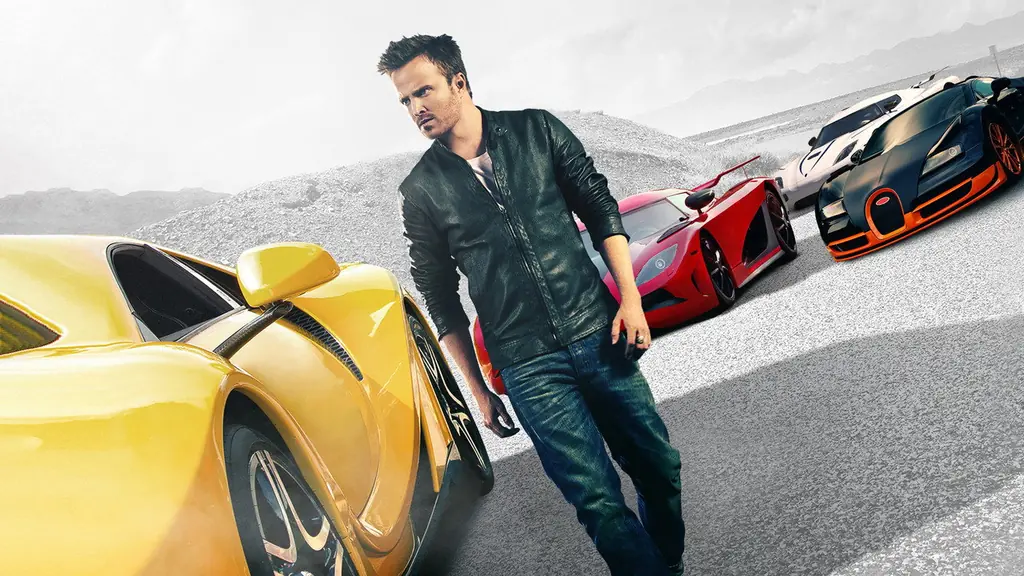
At the heart of [[Need for Speed]] is Aaron Paul as Tobey Marshall, portrayed as the "best driver ever," a man from humble beginnings whose skills are undeniable. His rival, Dino Brewster (played by Dominic Cooper), is the archetypal wealthy, entitled antagonist – a "douchy rich guy" who believes money can buy victory. The narrative quickly establishes that Marshall, having "worked for Heisenberg" (a playful nod to Paul's Breaking Bad role), possesses a grit and talent that money can't replicate.
The bulk of the film unfolds as a thrilling cross-country journey, with Marshall racing against time and the law to reach a secret underground race. These sequences are where [[Need for Speed]] truly shines, delivering a sense of urgency and spectacle. However, the film frequently tests the audience's willingness to suspend disbelief. Moments like a helicopter airlifting a car via a chain, or the protagonist's "fastest car ever" being inexplicably challenged by "douchebags with pickup trucks and dune buggies," pull viewers out of the experience. The film establishes its own rules of physics and then gleefully breaks them, creating a jarring disconnect that can be hard to overlook.
Cameos, Nostalgia & Narrative Stakes
While the premise of a revenge-fueled, high-stakes race is compelling, the narrative often stumbles over its own logic. The reviewer points out the absurdity of a wealthy benefactor loaning an ex-convict an incredibly rare and expensive car – a plot point that strains credibility. This kind of narrative shortcut undermines the stakes, making it difficult to fully invest in the characters' predicaments.
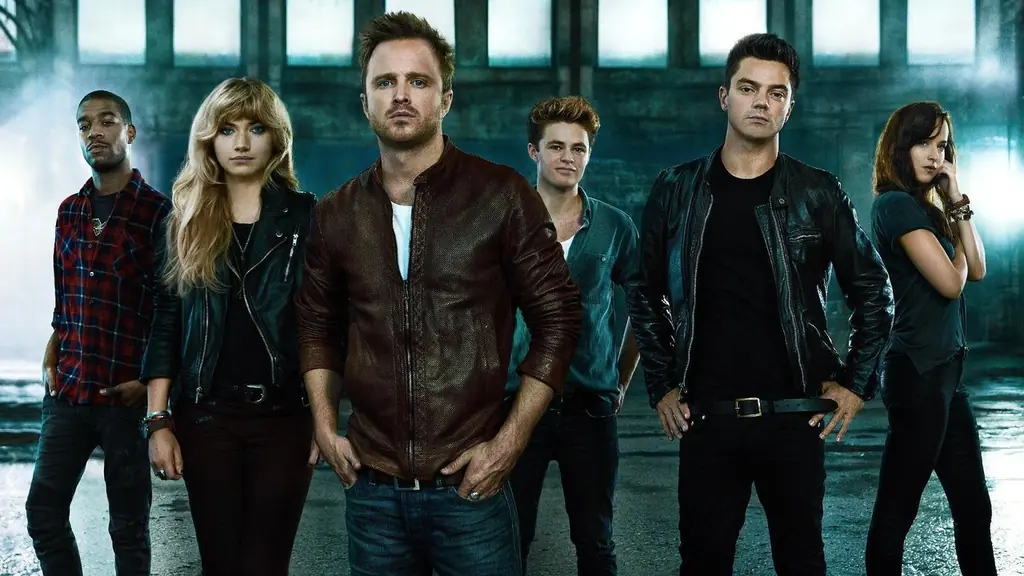
The film's pacing, particularly during the cross-country chase, is generally engaging, with supporting characters like Imogen Poots and Kid Cudi adding to the ensemble. Yet, the ultimate destination – the final race – feels surprisingly anticlimactic. The journey itself, with its various obstacles and close calls, proves far more interesting and dynamic than the resolution. By the time the climactic race arrives, the outcome feels predetermined, diminishing the thrill and leaving the audience wondering about the point of it all.
Tone, Direction & Creative Freedom
Director Scott Waugh clearly aimed for a film that prioritizes spectacle and speed above all else. The tone is relentlessly high-octane, demanding that audiences simply buckle up and enjoy the ride without overthinking the mechanics. This approach works for those who are happy to turn off their critical faculties and embrace the sheer absurdity of it all.
The film's creative freedom seems to have been channeled into crafting increasingly outlandish stunts, rather than a cohesive, believable world. While some of these stunts are visually impressive, their disregard for established physics and narrative consistency can be a significant hurdle for viewers who require a modicum of realism. It's a film that asks you to accept the impossible as possible, even when it contradicts its own established rules.
The Final Verdict
[[Need for Speed]] isn't a terrible film, but it's certainly not a great one either. It exists in a curious middle ground, offering genuine thrills for those who can fully commit to suspending their disbelief. If you're in the mood for a loud, fast, and often illogical joyride, and you're prepared to overlook its glaring plot holes and physics-defying moments, then you'll likely find some fun here. However, if you demand a coherent narrative and consistent world-building, this high-speed chase might just leave you feeling more frustrated than exhilarated. It's a film best enjoyed when your expectations for realism are parked firmly outside the theater.
What Worked
- Thrilling cross-country chase sequences
- Engaging lead performance from [[person:84497|Aaron Paul]]
- Surprisingly entertaining if you embrace the absurdity
- Some genuinely cool action moments
What Didn't Work
- Egregious plot holes and logical inconsistencies
- Physics-defying stunts that break immersion
- Anticlimactic and forgettable final race
- Rivals who defy established character abilities