Introduction
The anticipation for Neighbors was palpable, promising a classic clash: new parents yearning for peace against a raucous fraternity next door. What audiences got was far more than a simple prank war; it was a surprisingly heartfelt and uproariously funny ride that redefined the "summertime comedy." From the opening frame, the energy rarely taps the brakes, setting the stage for a generational showdown that's both absurd and genuinely engaging.
The Lead Dynamic & The Action
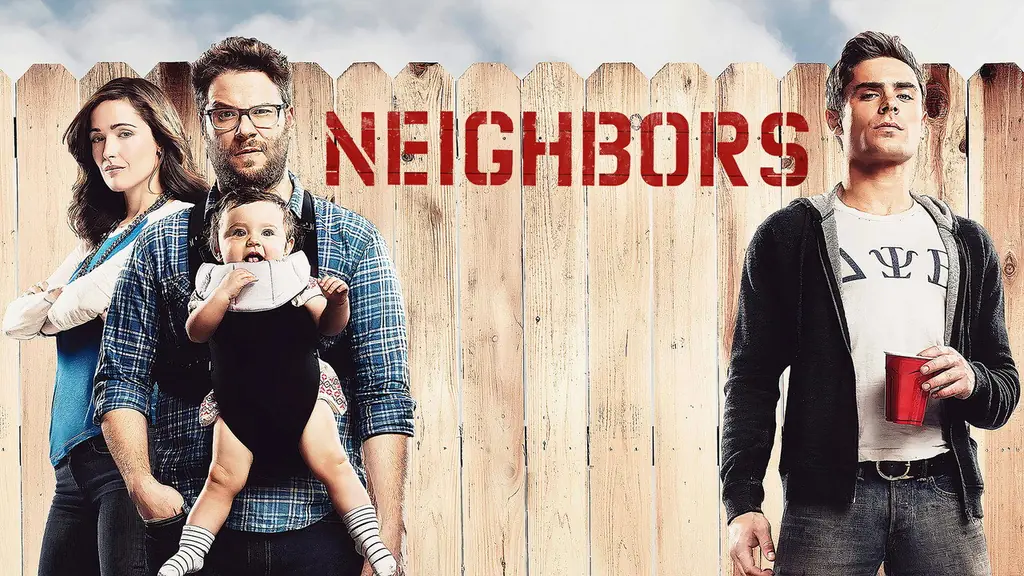
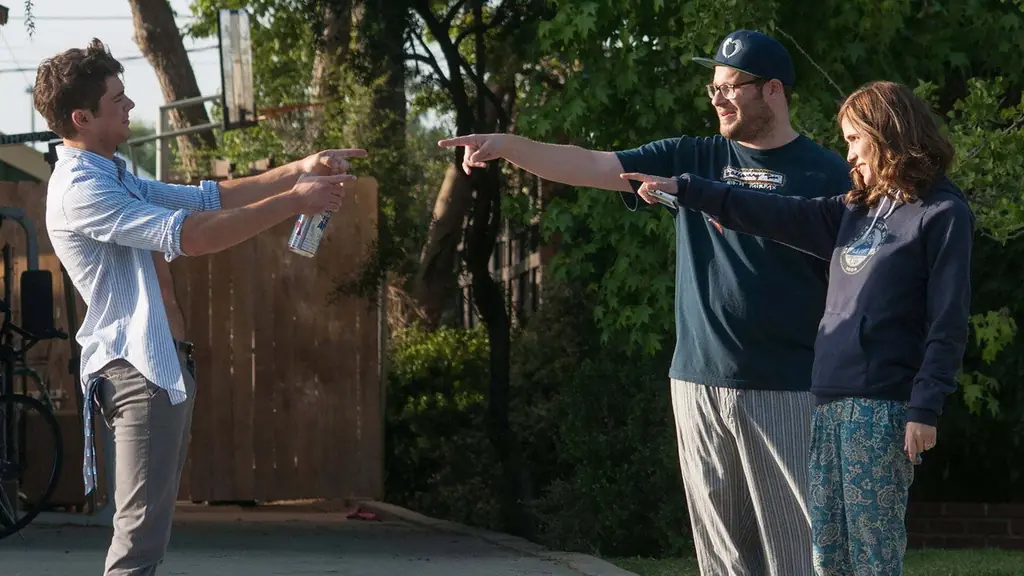
At the core of Neighbors lies the electrifying chemistry between its leads. Seth Rogen delivers his signature slacker charm, a persona so well-honed it feels like a comfortable, albeit familiar, embrace. But it's Rose Byrne who truly shines, proving herself a comedic force to be reckoned with. Her performance is a revelation, showcasing a sharp wit and undeniable charisma that makes her an absolute joy to watch. Opposite them, Zac Efron sheds his Disney past with a nuanced portrayal of a fraternity president caught between youthful abandon and an uncertain future. He effortlessly pivots from likable to douchy, hinting at a deeper vulnerability that makes his character surprisingly sympathetic. The escalating pranks and retaliations between the two houses form the backbone of the action, each stunt more outrageous than the last, culminating in a series of comedic set pieces that are both inventive and laugh-out-loud hilarious. The ensemble cast, including Dave Franco, Christopher Mintz-Plasse, and Ike Barinholtz, further elevates the comedic chaos, ensuring every interaction crackles with energy.
Cameos, Nostalgia & Narrative Stakes
Unlike many comedies that overstay their welcome, Neighbors understands the power of brevity. Nicholas Stoller's direction keeps the narrative tight, clocking in at a brisk 90 minutes. This efficiency ensures that every joke lands and every plot beat serves a purpose, preventing the film from feeling bloated or meandering. While the film is packed with absurd situations, it cleverly "shoehorns" in moments of genuine heart, exploring the anxieties of new parenthood and the fleeting nature of youth. It avoids relying on cheap nostalgia or excessive cameos, instead focusing on developing its core characters and their escalating conflict. The stakes, though comedic, feel real enough to invest the audience in the outcome of the neighborhood war.
Tone, Direction & Creative Freedom
Neighbors confidently embraces its identity as an R-rated comedy, pushing boundaries with its humor and embracing the inherent absurdity of its premise. Nicholas Stoller orchestrates the chaos with a keen eye for comedic timing, allowing the cast to fully lean into their roles. The film never pretends to be anything it's not; it's a wild, over-the-top ride that revels in its own ridiculousness. This creative freedom is evident in every scene, from the outrageous party sequences to the more intimate, character-driven moments. The result is a film that feels authentic and uninhibited, a testament to a production that trusted its comedic vision.
The Final Verdict
Neighbors is a riotous, must-see comedy that delivers on every front. It's the kind of film that makes you laugh until your sides hurt, leaving you with a lingering sense of joy. With its stellar cast, sharp script, and relentless humor, it stands out as one of the funniest films of its year. For anyone looking for an absurd, heartfelt, and utterly entertaining escape, this is the perfect pick.
What Worked
- Rose Byrne's standout comedic performance.
- Zac Efron's surprisingly nuanced and engaging portrayal.
- Exceptional cast chemistry and comedic timing.
- Sharp pacing keeps the laughs coming without drag.
- Successfully blends outrageous humor with genuine heart.
What Didn't Work
- Seth Rogen's character feels familiar.
- The premise relies heavily on comedic absurdity.