Introduction
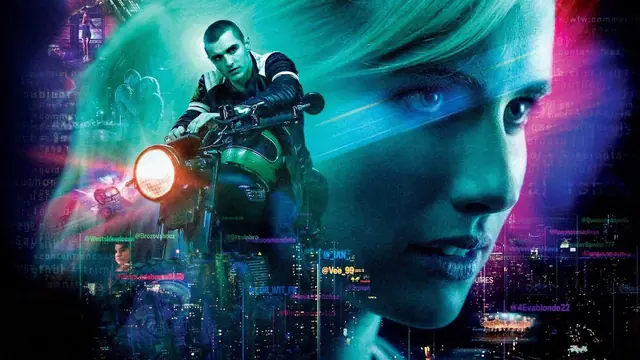
In an age where digital trends capture global attention, 2016's Nerve arrived with a premise that felt both fantastical and eerily plausible. Imagine a game where "Watchers" dare "Players" to perform increasingly risky feats for cash and online glory. It's the ultimate "Truth or Dare" without the truth, a high-stakes digital playground that quickly becomes an addiction. This film plunges audiences into that very world, asking a compelling question: how far would you go for a dare?
The Lead Dynamic & The Action
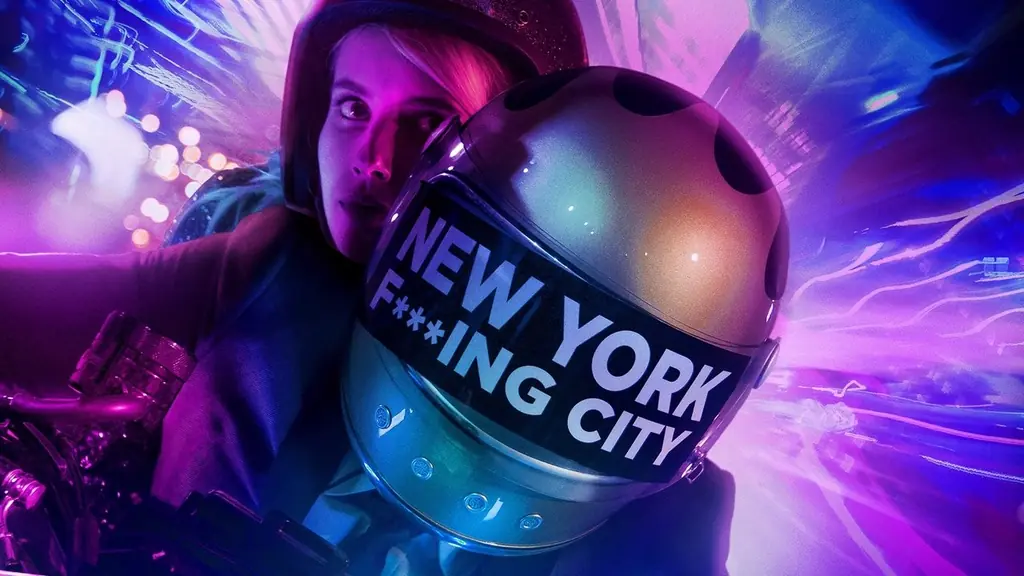
At the heart of Nerve is Emma Roberts as Vee, a self-proclaimed goody-goody who rarely takes chances. Pushed by a friend, she dives headfirst into the Nerve game, quickly finding herself paired with the enigmatic Ian, played by Dave Franco. The chemistry between Emma Roberts and Dave Franco is palpable, making their journey through the escalating dares genuinely fun to watch. Emma Roberts perfectly embodies the girl-next-door who, when pushed far enough, reveals an unexpected edge. Their dynamic is so convincing that it's easy to believe the game's "Watchers" would actively encourage their pairing for maximum entertainment. The film excels in crafting a series of engaging dare scenarios that keep the audience on the edge of their seats, constantly wondering what outrageous task will come next.
Cameos, Nostalgia & Narrative Stakes
The true intrigue of Nerve lies in its ability to make viewers reflect on their own boundaries. The concept of a game like Nerve causes one to ponder, "What would I do? Would I play?" It taps into a societal fascination with online anonymity and the allure of risk. However, the film takes a rather unrealistic turn by keeping the dares largely free of overtly sexual or truly gross content. In a real-world scenario, such a game would undoubtedly devolve into explicit territory "way too quickly," as the film critic notes. This decision, while keeping the film accessible, does pull back from a more gritty, authentic portrayal of online extremism. Despite this, the narrative maintains a compelling pace, keeping its core message about the dangers of digital mob mentality firmly "in the pocket."
Tone, Direction & Creative Freedom
Ariel Schulman's direction maintains a vibrant, energetic tone for much of the film, perfectly capturing the frenetic pace of online culture. The movie knows what it is and largely sticks to its strengths, delivering a thrilling ride. However, the final act stretches the film's credibility a little too thin. It becomes "a little bit too over the top," attempting to be "too epic" and ultimately feeling "wonky and cartoony." While the film delivers a potent monologue about the ease of bravery behind a keyboard versus real-world action, this message is somewhat undermined by the exaggerated conclusion. For the most part, Nerve keeps its narrative grounded enough to be enjoyable, but its ambition in the climax pushes it beyond believable limits.

The Final Verdict
Despite its third-act stumble, Nerve is undeniably a good time. It's a cool, dare-or-lose game that effectively showcases a character's journey from timid to daring. The film's ability to spark introspection about societal boundaries and personal limits in the digital age is its strongest suit. While the ending might feel a bit too fantastical, the overall experience is engaging and thought-provoking, proving that a high-concept thriller can still deliver a compelling message without requiring any alcohol to enjoy.
What Worked
- Intriguing and thought-provoking game concept
- Strong chemistry between Emma Roberts and Dave Franco
- Engaging dare scenarios that keep the audience hooked
- Timely social commentary on online anonymity and risk-taking
- Emma Roberts's compelling transformation
What Didn't Work
- The last act becomes overly exaggerated and "cartoony"
- Unrealistic portrayal of online dares not escalating to sexual content
- Stretches disbelief too far in its conclusion



