
Introduction
From the moment No Good Deed begins, it sets a singular, unsettling tone. Audiences were primed for a tense psychological thriller, and what they got was a deep dive into pure, unadulterated creepiness, spearheaded by a performance that dominates the screen. This isn't a film about complex motives or intricate plots; it's about the visceral discomfort of a predator in plain sight, making a home feel anything but safe. The premise is straightforward: an escaped convict, a seemingly ordinary woman, and a night that spirals into terror. The film promises a "Panic Room" type vibe, and while it delivers on the tension, it often leaves viewers questioning the ultimate point of the relentless unease.
The Lead Dynamic & The Action
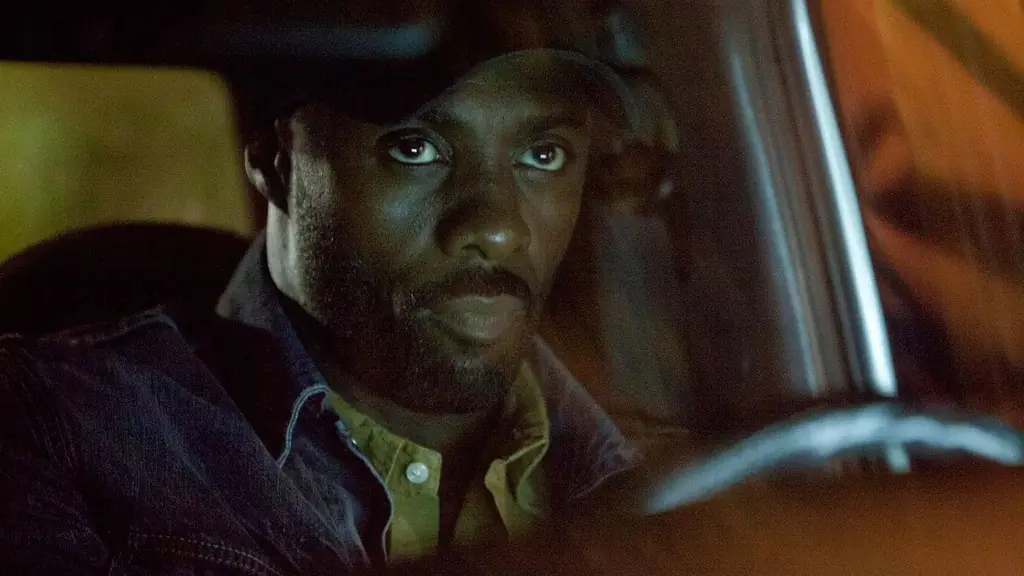
The film's core strength, and indeed its entire premise, hinges on Idris Elba's portrayal of the "creeper." As an escaped convict with a penchant for terrorizing women, Elba makes the screen feel genuinely uncomfortable. He embodies the role with such conviction that the atmosphere becomes thick with dread, transforming every interaction into a psychological battleground. The dynamic between him and the unsuspecting protagonist, played by Taraji P. Henson, is central to the film's tension. Elba's character, a narcissistic Ted Bundy-type, effortlessly overpowers and belittles her, creating a constant sense of unease. Yet, this dynamic also highlights a significant narrative stumble: the protagonist's baffling inability to recognize the glaring red flags. Despite her professional background in dealing with "abused women cases and serial psychos," she remains oblivious to Elba's increasingly sinister behavior. It's a frustrating oversight that only Leslie Bibb's character, the "ass friend," manages to cut through, instantly sensing something is "off" about the intruder. Her brief, sharp assessment provides a moment of much-needed clarity in an otherwise opaque situation. Once he's inside, the film morphs into a home invasion scenario, but with the invader already entrenched, it becomes less about breaking in and more about the sustained psychological torment and the protagonist's desperate attempts to survive. The film successfully establishes Elba as a truly menacing presence, making the audience feel the same discomfort as the character on screen.
Cameos, Nostalgia & Narrative Stakes
While Idris Elba's performance is undeniably captivating in its creepiness, the film struggles to elevate itself beyond this singular focus. The narrative lacks the sharp wit or deeper purpose that might have made the experience truly memorable. It leans heavily into an "excessive creep factor," reminiscent of "torture porn" in its singular, relentless pursuit of a specific sensation. The reviewer notes that while it's not "torture porn" in the traditional sense—there isn't a lot of blood—it shares a similar ethos: existing primarily to deliver an extreme experience. Here, that experience is pure, unadulterated creepiness. The film exists for "no other reason than that." This singular focus means that while the tension is palpable, the story itself feels thin. There are no intricate plot twists or profound character developments to latch onto. The stakes, while immediate and terrifying for the protagonist, don't translate into a broader narrative significance. The film's pacing is dictated by the slow burn of psychological manipulation, but without a compelling underlying story, it risks feeling repetitive. The question "Was there a point to the movie?" lingers, as the film prioritizes atmosphere over substance, leaving little in the way of lasting impact or intellectual engagement.
Tone, Direction & Creative Freedom
Sam Miller's direction effectively crafts an oppressive and unsettling tone. The film successfully achieves its goal of making Idris Elba's character genuinely creepy and the overall vibe deeply uncomfortable. It's clear the filmmakers were given the freedom to lean into this specific brand of psychological tension, creating a constant sense of dread that permeates every scene. However, this freedom seems to have come at the expense of narrative depth and ingenuity. The movie's pitch feels almost too simple: "Let's have a movie where a guy is just a creep, and he's in the girl's house." This simplicity, while effective for immediate tension, ultimately limits the film's potential. While the protagonist does eventually fight back, offering a moment of empowerment, the journey to that point often feels like a prolonged exercise in watching a narcissistic serial killer overpower a woman, without much underlying substance or cleverness in the cat-and-mouse game. The film delivers on its promise of a creepy experience, but it doesn't push the boundaries of the genre or offer anything particularly fresh beyond Elba's performance.
The Final Verdict
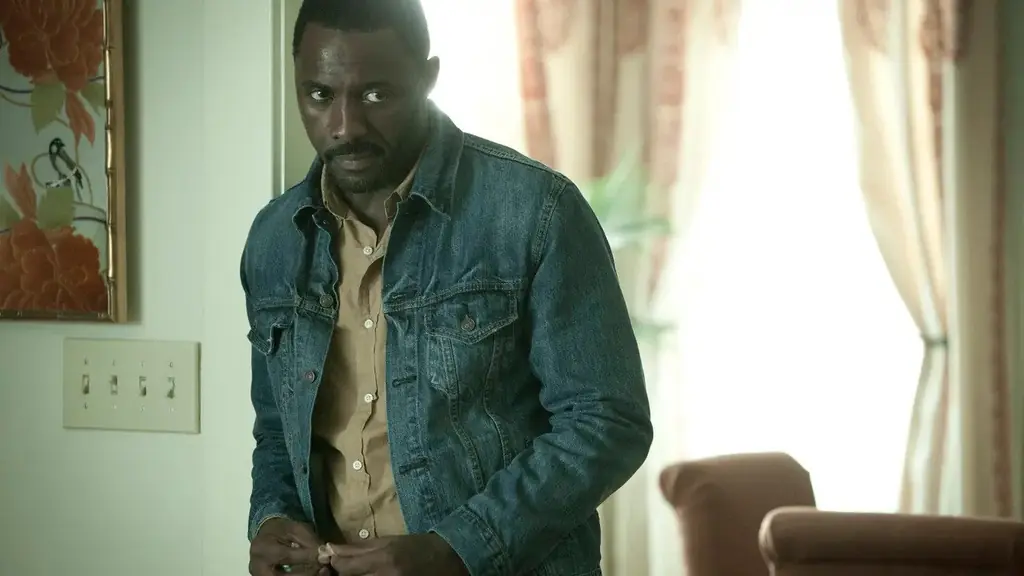
No Good Deed delivers on its promise of a deeply unsettling experience, primarily due to Idris Elba's magnetic and terrifying performance. He is genuinely excellent, making the skin crawl with every calculated move and unsettling gaze. Yet, despite its success in creating an uncomfortable atmosphere, the film ultimately feels like a missed opportunity. It lacks the narrative wit and purpose to truly resonate beyond its immediate, visceral impact. While not entirely unenjoyable in the moment, offering a solid dose of tension, it's a film that quickly fades from memory, leaving little behind but the echo of Elba's chilling presence and the question of what more it could have been. It's a film that succeeds in its narrow ambition but fails to leave a lasting mark.
What Worked
- [[person:17605|Idris Elba]]'s compellingly creepy performance.
- Successfully creates an uncomfortable, tense atmosphere.
- [[person:57451|Leslie Bibb]]'s character provides a moment of much-needed clarity.
- The protagonist eventually fights back, offering a moment of empowerment.
What Didn't Work
- Lacks narrative wit and a clear purpose.
- Protagonist's baffling lack of awareness to obvious red flags.
- Relies too heavily on "creep factor in excess" without substance.
- Ultimately forgettable despite its immediate tension.



