Introduction
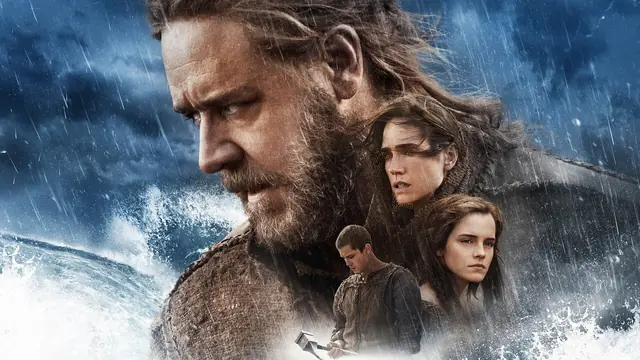
When Noah first hit screens, anticipation swirled around Darren Aronofsky's take on one of humanity's oldest tales. How would the visionary director behind "Requiem for a Dream" tackle an "epic Bibleish movie" starring Russell Crowe? The answer, it turns out, is with audacious creative license, delivering a film that's less Sunday school lesson and more a dark, compelling journey into the end of the world.
The Lead Dynamic & The Action
From the outset, the film establishes a world ravaged by human depravity, a desolate landscape that feels like Mount St. Helens the morning after. Russell Crowe anchors the narrative as Noah, delivering a performance that captures the character's conviction and descent into moral ambiguity. He's not alone in carrying the weight; Jennifer Connelly shines, and even Ray Winstone steps up as a compelling antagonist. The ensemble, including Anthony Hopkins, truly elevates the material.
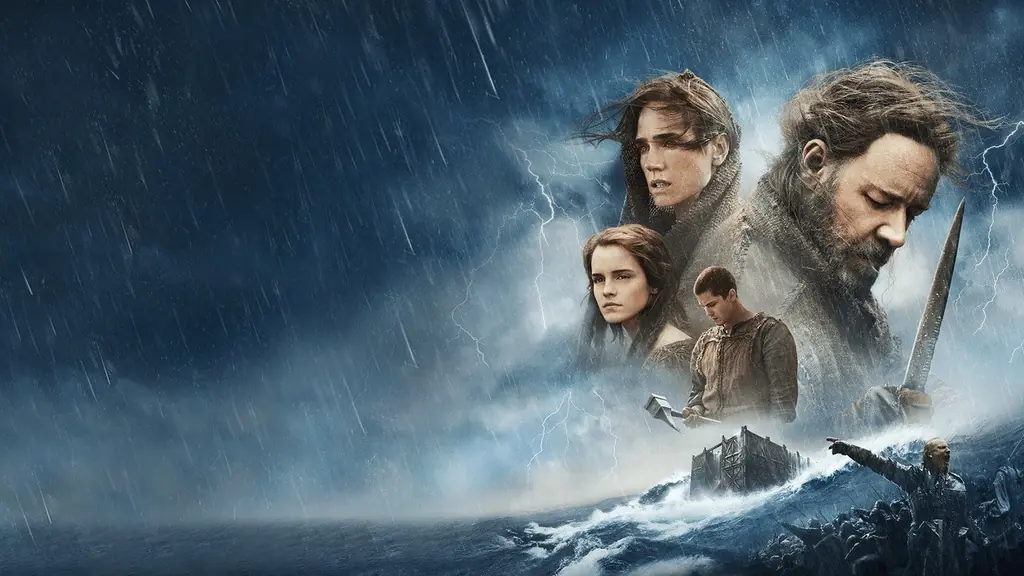
But what truly sets this retelling apart are the unexpected, fantastical elements. Imagine "rock soldiers from Dimension X" – massive, ancient Watchers who assist Noah in his monumental task. These "rock transformers from the '90s" are an awesome, unique addition, blending the biblical with a touch of high fantasy. The film is also peppered with genuinely "great camera moments" that capture the scale and intensity of the unfolding catastrophe.
Cameos, Nostalgia & Narrative Stakes
Noah takes significant liberties with its source material, a choice that has certainly "pissed a lot of people off." Yet, this departure from strict biblical adherence makes for a far more interesting and engaging narrative. The story isn't a straightforward good-versus-evil parable; instead, it delves into "moral gray moments" that challenge both characters and audience. The stakes couldn't be higher: the "eradication of mankind."
This isn't a religious film in the traditional sense, nor is it one you'd likely see in Sunday school. It's "pretty dark," exploring themes of madness, devotion, and the nature of humanity when faced with divine judgment. While it might not offer the profound, lingering questions typical of Darren Aronofsky's deeper works, it successfully creates a world where you genuinely question Noah's sanity versus his unwavering faith.
Tone, Direction & Creative Freedom
Darren Aronofsky masterfully crafts a believable, albeit bleak, world. He establishes the dire state of humanity and the environment so effectively that the impending flood feels not just justified, but inevitable. The film's tone is consistently grim, yet it never loses its grip on the audience. For those unfamiliar with Darren Aronofsky's style, Noah serves as an accessible entry point to his distinctive vision, offering a taste of his world-building prowess before diving into his more challenging works.
The Final Verdict
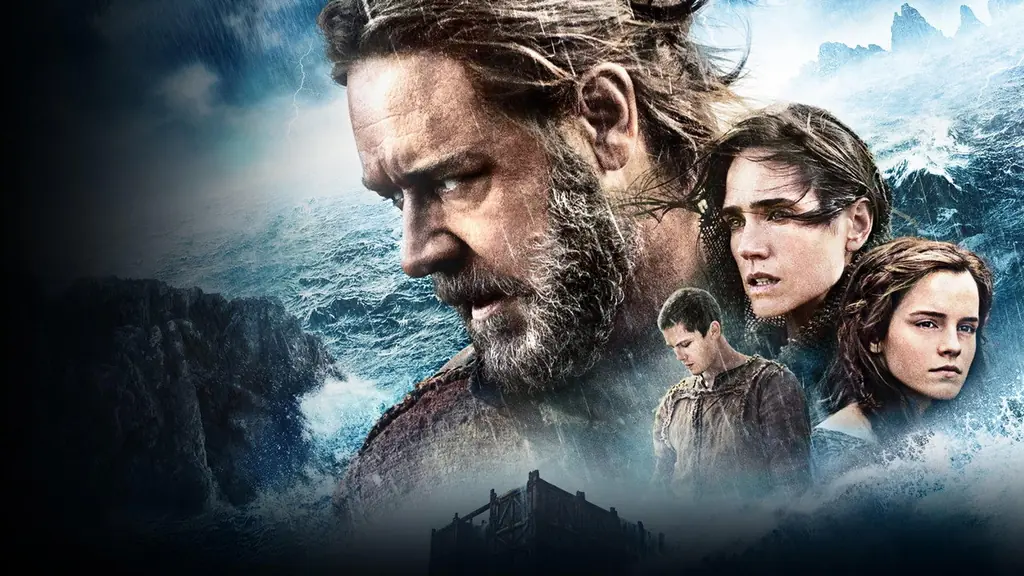
Noah is an "absurdly good" and "epic" cinematic experience. It boasts "great camera work," a compelling setup, and a fully realized world populated by "great characters." While it may not satisfy strict biblical literalists or the most ardent Darren Aronofsky purists seeking profound philosophical depths, it delivers a thrilling, visually stunning, and morally complex adventure that is well "worth buying on Blu-ray."
What Worked
- A bold, imaginative, and modernized retelling of the biblical story.
- Strong, committed performances from the entire cast, especially Russell Crowe.
- Visually stunning with impressive camera work and world-building.
- Engaging moral ambiguities and high stakes keep the audience invested.
- The "rock soldiers" (Watchers) are a unique and awesome addition.
What Didn't Work
- Takes significant liberties with the biblical narrative, potentially alienating religious viewers.
- May not be "deep" enough for some hardcore Darren Aronofsky fans.
- The dark tone makes it unsuitable for younger audiences or traditional religious instruction.
- The target audience for the film feels somewhat niche.