
Before diving into the chilling depths of Oculus, a quick confession: has anyone truly managed to utter "Bloody Mary" three times into a mirror with the lights off? It's a challenge many of us can't quite complete, turning on the lights before the final word. This primal fear of the unknown, of what lurks in reflections, sets the perfect stage for Oculus, a film that isn't about a VR headset, but a truly malevolent mirror.
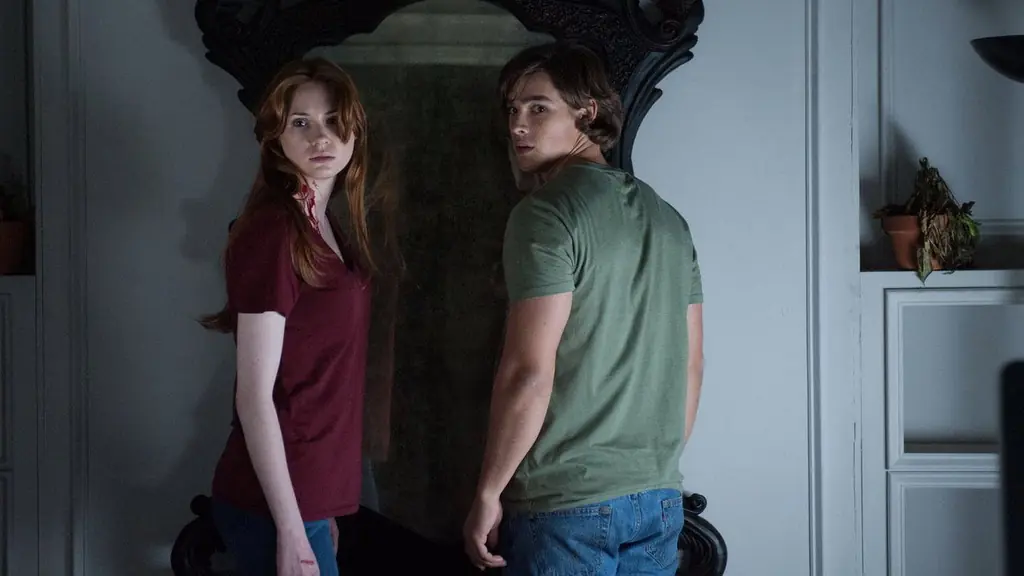
From the outset, the film establishes a compelling mystery. It introduces a brother and sister, the latter a striking redhead, whose lives were irrevocably shattered by this very mirror a decade prior. The brother, Brenton Thwaites, fresh from a mental institution, believes their shared trauma was a delusion, a product of their own minds. His sister, played by Karen Gillan, however, is convinced the mirror is an evil, soul-snatching entity and is meticulously prepared to prove it. This initial setup, oscillating between the possibility of supernatural evil and psychological breakdown, immediately hooks the audience, drawing them into a mind game where reality itself is fluid.
The Lead Dynamic & The Action
The dynamic between the siblings forms the emotional core of the film. Karen Gillan's character is a force of nature, approaching the paranormal with a scientific rigor that's both admirable and terrifying. She's armed with cameras, multiple battery sources, temperature alarms, and hydration reminders, all part of an elaborate setup to document and destroy the mirror. Her conviction is so strong that it almost sways the audience, making them question their own skepticism. The mirror, however, is no ordinary antagonist; it's a master manipulator, playing tricks on perception and memory. The film excels at portraying this psychological warfare, making the audience feel as disoriented as the characters. It's a neat mind game, reminiscent of classic psychological thrillers that get under your skin without relying solely on jump scares.
Cameos, Nostalgia & Narrative Stakes
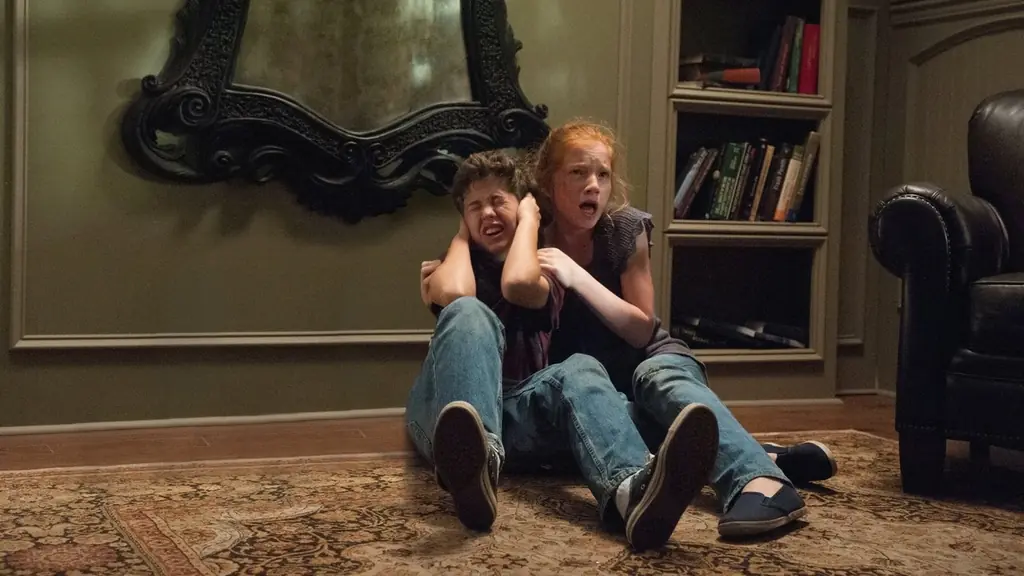
Oculus masterfully weaves between two distinct timelines: the present-day confrontation and the traumatic events of ten years prior. This back-and-forth narrative, while occasionally verging on confusing, is crucial to building the mirror's mythology and revealing the full extent of its insidious power. The film sequentially shows what happened to the family a decade ago, illustrating how the mirror systematically dismantled their sanity. This dual-timeline approach keeps the narrative stakes incredibly high, as the audience witnesses the past horrors unfold while simultaneously watching the present-day characters fall prey to the same insidious tricks. The film's strength lies in its ability to make the audience constantly question what is real, echoing the characters' own descent into madness. It's a clever narrative device that ensures the intrigue rarely wanes.
Tone, Direction & Creative Freedom
Under the direction of Mike Flanagan, Oculus establishes a tone that prioritizes intrigue and psychological disturbance over conventional scares. While it may not deliver constant "scare-scare" moments, it certainly provides disturbing imagery that lingers long after the credits roll. The film's ability to get into the characters' heads, and by extension, the audience's, is its true triumph. The mythology built around the mirror is genuinely fascinating, portraying it as an entity with a clockwork-like precision in its torment. It's a testament to the creative freedom afforded to the filmmakers that they could craft such a unique and unsettling horror experience, one that sparks conversation about whether the events are truly supernatural or merely a shared psychosis.
The Final Verdict
Oculus is a surprisingly effective and deeply intriguing horror film that defies expectations. It's a conversation starter, prompting debates about the nature of reality and the power of suggestion. While the frequent timeline shifts can sometimes be a little disorienting, the film's commitment to its psychological premise and its disturbing imagery make it a standout. It's a film that genuinely surprised many, proving to be one of the most interesting horror movies seen in a while. For those seeking a horror experience that challenges the mind as much as it chills the spine, Oculus is a definite recommendation, well worth adding to any collection.
What Worked
- Intriguing premise and unique mythology of the evil mirror.
- Masterful blurring of psychological breakdown and supernatural horror.
- Effective use of dual timelines to build suspense and reveal backstory.
- Delivers disturbing imagery and a pervasive sense of unease.
- Sparks engaging conversations about the nature of reality and perception.
What Didn't Work
- Frequent timeline shifts can occasionally be confusing for the viewer.
- Relies more on intrigue and psychological horror than traditional jump scares.
- The ambiguity between psychological and paranormal isn't maintained as long as some might hope.
- The brother's quick abandonment of therapy feels somewhat contrived.