
Introduction
The buzz around Oppenheimer has been deafening, a cinematic event promising a deep dive into one of history's most complex figures. Audiences anticipated a grand, sweeping narrative, and Christopher Nolan delivers an experience that is nothing short of epic, a film that grips from its opening frames and rarely loosens its hold. This isn't just a movie; it's a profound journey into the mind of a man who changed the world forever.
The Lead Dynamic & The Action
At the heart of this colossal undertaking is Cillian Murphy as J. Robert Oppenheimer, delivering a performance that is nothing short of brilliant. His eyes, in particular, pierce through the screen, conveying the immense weight of regret and despair that burdens his character. From a relatable, "true neutral" scientist to a man grappling with the devastating consequences of his creation, Cillian Murphy makes every agonizing step of that transformation palpable. It's a truly special, soulful, and heavy portrayal that anchors the entire film.
The supporting cast is equally stellar, a testament to how many want to work with Christopher Nolan. While it's impossible to list every standout, Robert Downey Jr. delivers an amazing performance that will stick with viewers long after the credits roll. Despite potentially limited screen time, his presence is impactful, proving that even after a career of blockbusters, he's still committed to knocking it out of the park.
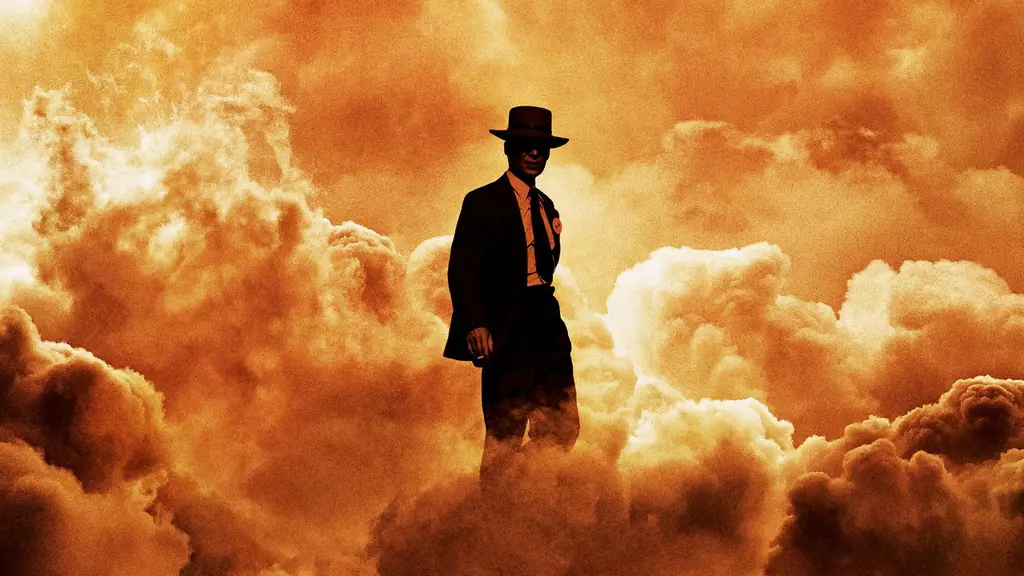
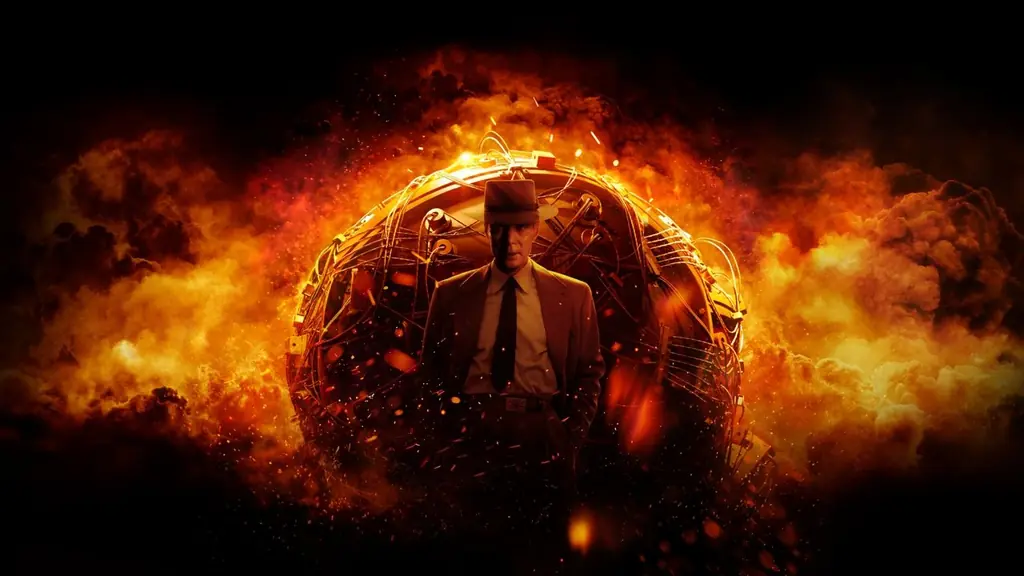
What truly sets Oppenheimer apart visually is its audacious commitment to practical effects. In an era dominated by CGI, Christopher Nolan proudly boasts "no CGI anywhere in this movie." This isn't just a gimmick; it's a creative choice that imbues the film with a tangible, magical quality. Whether it's depicting Oppenheimer's internal world—supernovas, quantum theories, atoms whizzing—or the awe-inspiring Trinity test, every visual feels real, connecting with the audience on a deeper, more visceral level. The nuke scene itself is a masterclass in tension, focusing not on the explosion's spectacle, but on the fear, anxiety, and, crucially, the reaction etched across Cillian Murphy's face. The film ensures Oppenheimer is never overshadowed by the very bomb he created.
Cameos, Nostalgia & Narrative Stakes
The narrative of Oppenheimer is meticulously crafted, focusing squarely on the man himself, his work, and the profound aftermath of the Manhattan Project. This is a biopic that understands its subject, refusing to let the historical event eclipse the human story. However, the film's final hour shifts gears, delving into the political and legal fallout. This section relies heavily on exposition, with audiences hearing about events rather than witnessing them directly. While this choice prevents the film from stretching to an unmanageable five-hour runtime, it does transform the experience into something akin to a "sneaky government paranoia courtroom drama." It's a necessary compromise to condense such a monumental life into three hours, but it's a noticeable change of pace.
Tone, Direction & Creative Freedom
Christopher Nolan directs with a gravitas that marks this as his heaviest work to date. This isn't a director chasing awards; it's a filmmaker making genuinely good, dramatic cinema. The musical score is haunting and impactful, swelling precisely when needed to amplify tension. Crucially, the audio mixing is a significant improvement over some of Nolan's recent works, ensuring dialogue is clear and never overridden by the score. The storytelling, performances, filmmaking, and editing are all top-tier, culminating in a visually stunning and emotionally resonant tragedy.
The Final Verdict
Oppenheimer is an awesome-tacular achievement, a film that demands to be seen and experienced. It's a powerful, immersive, and deeply human story that showcases Christopher Nolan at the peak of his dramatic powers and Cillian Murphy delivering a career-defining performance. Prepare for an epic journey that will stay with you long after the lights come up.
What Worked
- [[person:2037|Cillian Murphy]]'s absolutely brilliant and soulful lead performance.
- A packed, stellar ensemble cast, with [[person:3223|Robert Downey Jr.]] delivering an amazing turn.
- Stunning practical effects and a complete absence of CGI create a tangible, magical experience.
- A deeply human story that prioritizes Oppenheimer's internal struggle over historical spectacle.
- Haunting, impactful musical score and [[person:525|Christopher Nolan]]'s mature, dramatic direction.
What Didn't Work
- The final hour relies heavily on exposition and dialogue, shifting the pace.
- Can feel like a "government paranoia courtroom drama" in its concluding act.
- Some may wish for more visual depiction of certain historical events in the latter half.



