Introduction
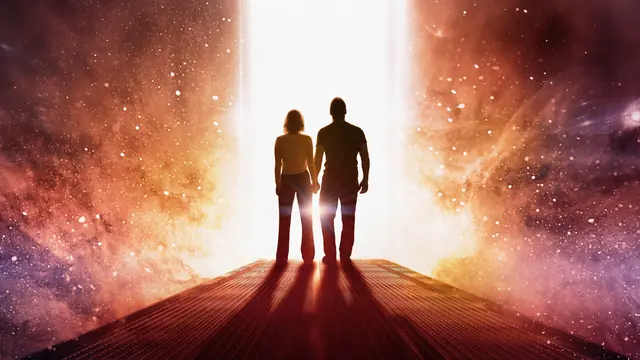
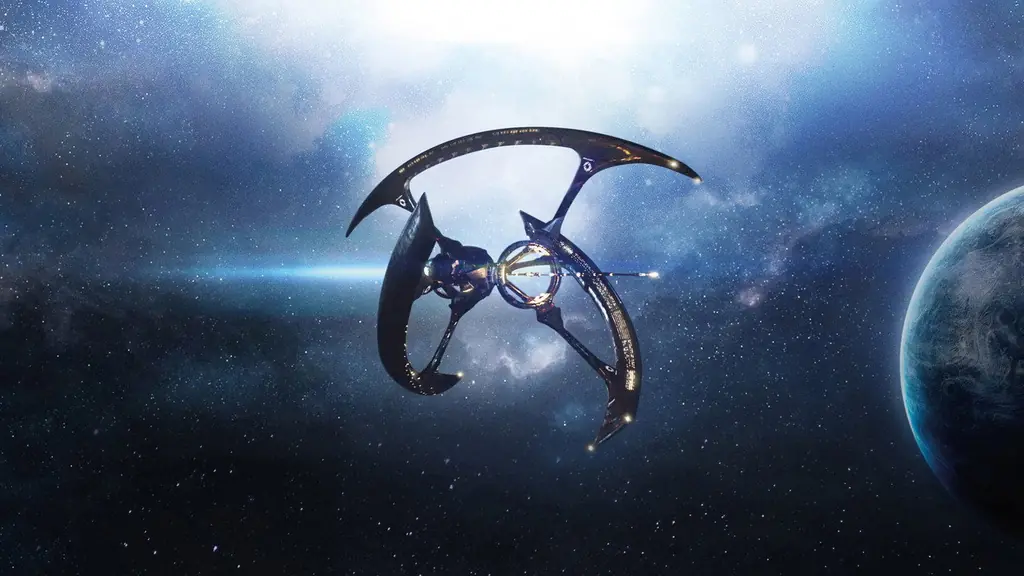
The allure of deep space, a journey to a new world, and the ultimate test of human resilience – these are the ingredients that promise a cinematic spectacle. Passengers, helmed by Morten Tyldum, sets its stage aboard the colossal starship Avalon, ferrying thousands of hopeful colonists in cryosleep across the cosmos. But when a technical glitch awakens Chris Pratt's character, Jim Preston, a staggering 90 years ahead of schedule, the grand voyage transforms into an unexpected tale of solitude, choice, and survival. What unfolds is an ambitious blend of genres, attempting to navigate the vast emptiness of space with human drama at its core.
The Lead Dynamic & The Action
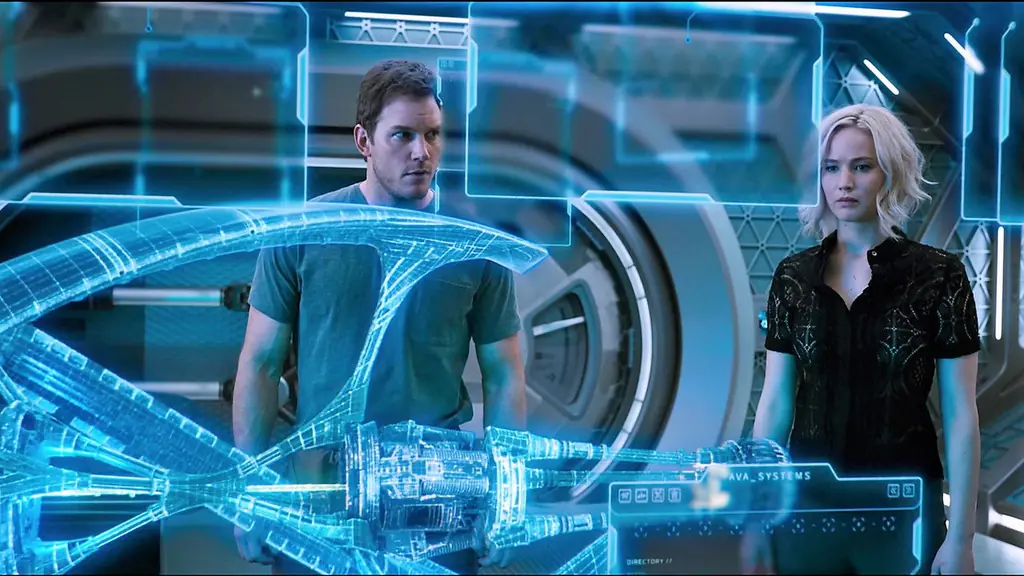
The film's initial act is its most captivating, a compelling "Cast Away in Space" as Jim grapples with profound isolation. Chris Pratt delivers a strong performance, effortlessly carrying the narrative as his character cycles through confusion, problem-solving, and eventual resignation to a life of solitary luxury. His only confidant is the impeccably charming android bartender, Arthur, brought to life with delightful precision by Michael Sheen. This segment truly highlights the potential of a space-bound isolation story. However, the dynamic shifts dramatically with the arrival of Jennifer Lawrence's character, Aurora Lane. The narrative then pivots into a romance that, for all its visual appeal, struggles to match the intrigue and depth of Jim's initial, solitary struggle. The question lingers: was the shift to a romantic pairing truly the most compelling path for this unique premise?
Cameos, Nostalgia & Narrative Stakes
Passengers attempts a "Franken-stitching" of genres – sci-fi drama, romance, and thriller – yet often feels like a collection of "nothing you haven't seen before." While the film introduces a "neat moral dilemma" for Jim, a moment of genuine intrigue, these flashes of potential are frequently overshadowed. The pacing often feels slow, and the narrative struggles to build consistent stakes, opting for predictable "thriller stuff" that unfolds exactly as anticipated. It's a film that, despite its grand setting, leaves you contemplating the "could have been" rather than fully immersing you in the "what is."
Tone, Direction & Creative Freedom
The overall tone of Passengers is best described as "cornflakes" – it's not bad, but it lacks a distinctive flavor that would make it truly memorable. Despite the visual splendor of the starship Avalon, the film often feels flat, failing to fully capitalize on its unique setup. Chris Pratt's performance is a clear highlight, his character possessing more depth than his counterpart, but even his efforts can't entirely elevate the film from its middle-of-the-road trajectory. Morten Tyldum's direction seems to play it safe, resulting in a viewing experience that is merely "okay" rather than a truly engaging or thought-provoking journey.
The Final Verdict
Ultimately, Passengers settles into the "okay" category. It's a film with a captivating initial premise and a strong lead performance from Chris Pratt, particularly in its early isolation phase. However, its subsequent dive into a less compelling romance and predictable thriller elements prevents it from truly soaring. While it offers moments of visual spectacle and a compelling moral quandary, it remains "on the fringe" of greatness, a journey that's pleasant enough but ultimately forgettable. Some will enjoy its blend of genres, but many will be left wanting more.
What Worked
- Chris Pratt's strong performance
- Compelling isolation segment
- Michael Sheen's engaging android character
- Intriguing moral dilemma for the lead
What Didn't Work
- Slow pacing
- Uninspired romance storyline
- Missed opportunities for deeper exploration
- Predictable thriller elements