Introduction
The name Stephen King is synonymous with a particular brand of chilling, psychological horror, and the 2019 adaptation of Pet Sematary arrived with considerable anticipation. Audiences were eager to see how this classic tale of grief and resurrection would translate to the modern screen, especially given the recent resurgence of successful King adaptations. This film, directed by Dennis Widmyer, largely succeeds in capturing that distinct, unsettling King-esque atmosphere. It’s a narrative that feels uniquely his, weaving together themes of loss, forbidden power, and the terrifying consequences of tampering with death in a way that often eludes other horror productions. From its opening frames, Pet Sematary establishes itself not merely as a collection of scares, but as a deep dive into the unsettling, where the horror is meticulously built around the characters themselves and their desperate choices. The film immediately immerses viewers in a world where the mundane can quickly become monstrous, setting a tone that promises more than just cheap thrills.
The Lead Dynamic & The Action
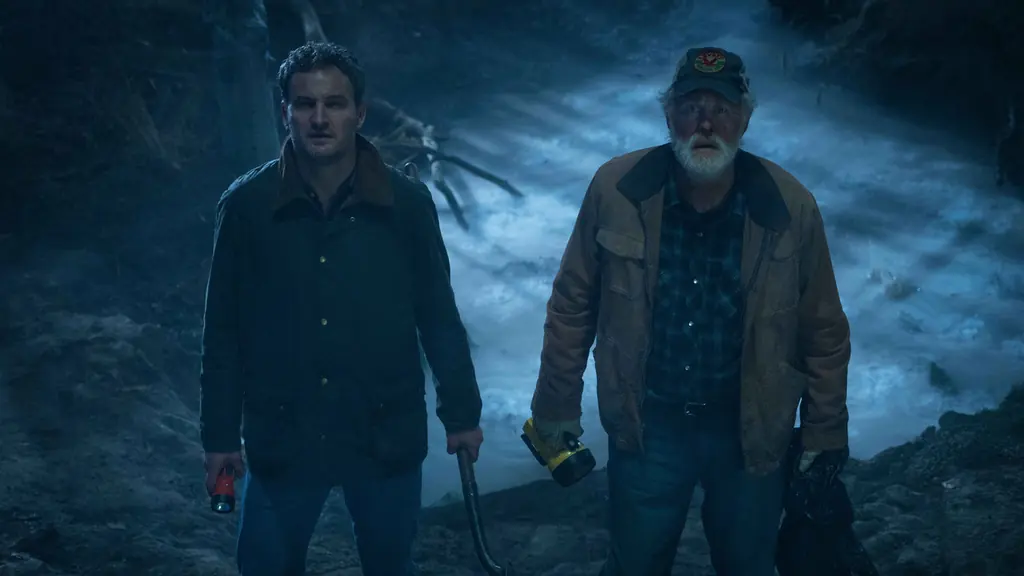
At its core, Pet Sematary is a harrowing story of a family's unraveling, led by Jason Clarke as Dr. Louis Creed, the father and husband, and Amy Seimetz as his wife, Rachel. They relocate their family to a seemingly idyllic house in rural Maine, only to discover a sinister burial ground hidden deep within the woods. The film excels in portraying how these terrifying, supernatural elements begin to insidiously invade their dynamic and personal lives, transforming their peaceful existence into a living nightmare. This is character-driven horror at its most effective, rather than a mere parade of jump scares. Jason Clarke delivers a strong, emotionally resonant performance, anchoring the family's agonizing descent into terror as he grapples with unimaginable loss and the temptation of the forbidden. Even the young Jeté Laurence, playing their daughter Ellie, is asked to carry a significant emotional load, portraying a child's innocence corrupted by grief and the supernatural, and she rises to the occasion with remarkable maturity. The film truly shines when it focuses on how these terrifying elements slowly corrupt the home, the family unit, and the very souls of its inhabitants, making their choices feel both desperate and inevitable.
Cameos, Nostalgia & Narrative Stakes
The narrative of Pet Sematary feels inherently and unmistakably Stephen King. It’s not simply about a "zombie creepy cat" – though the resurrected feline, Church, certainly provides its share of unsettling moments – or isolated incidents of terror. Instead, it delves into the insidious nature of grief, the allure of forbidden power, and the profound, irreversible consequences of defying death. While the film maintains a good level of intrigue, some viewers might find themselves craving a few more answers regarding the deeper mythology of the burial ground, wishing the lore was explored with greater depth. There’s a lingering sense that the movie could have delved further into its supernatural origins, perhaps feeling a bit short with certain narrative elements potentially condensed or cut. However, the seasoned presence of John Lithgow as Jud Crandall, the Creeds' enigmatic neighbor, adds a familiar, comforting yet ominous gravitas that needs no introduction. His performance grounds the supernatural elements in a relatable, albeit foreboding, human experience, guiding the family towards their tragic fate. The film successfully balances its homage to the source material with its own narrative momentum, ensuring that the stakes feel genuinely high for the Creed family.
Tone, Direction & Creative Freedom
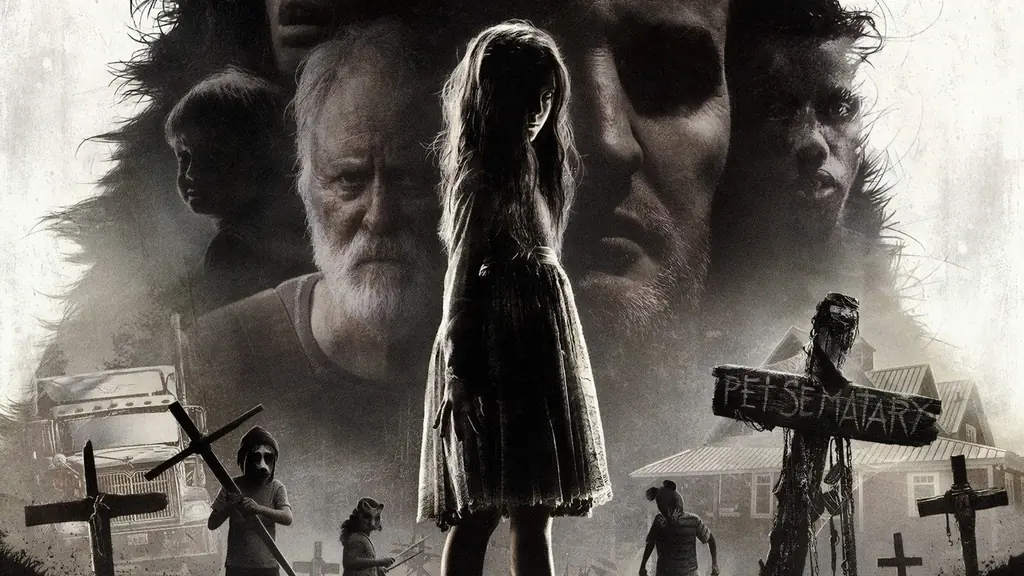
Dennis Widmyer's direction, alongside co-director Kevin Kölsch, maintains a solid and pervasive "creep factor" throughout Pet Sematary. While some might wish for a longer, more gradual build-up of the unsettling atmosphere, the film quickly establishes a pervasive sense of dread that lingers long after the initial shocks. The opening moments do feature a few jump scares, but the movie wisely settles into a more sustained, psychological terror, allowing the horror to emanate from the characters' choices and the escalating tragedy rather than relying solely on cheap thrills. This approach is a testament to the storytelling, which prioritizes the emotional impact of the horror. The distinct Stephen King feel is palpable, showcasing how supernatural elements can effectively and devastatingly invade a family's life and home, turning their sanctuary into a source of unspeakable terror. The film's visual language and sound design contribute significantly to this oppressive atmosphere, creating a world where danger lurks just beyond the tree line. Keen observers should keep an eye out for a subtle Easter egg – a familiar sign on the roadside – that pays homage to King's wider universe.
The Final Verdict
In a cinematic landscape often saturated with forgettable horror entries, Pet Sematary stands out as a genuinely enjoyable and impactful experience. It's a film that wisely prioritizes storytelling and character development over relentless, gratuitous scares, building its terror around the deeply human struggle of its protagonists. While it leaves a few questions unanswered regarding its deeper mythology and could have benefited from a slightly longer, more expansive exploration of its supernatural lore, it ultimately delivers a compelling and unsettling narrative. For those seeking a horror movie that feels authentic to the spirit of Stephen King – one that explores the profound and terrifying consequences of grief and the dark allure of what lies beyond – this adaptation is well worth the watch. It’s a good time for horror aficionados who appreciate a story that gets under your skin and stays there.
What Worked
- Captures the distinct Stephen King atmosphere.
- Strong performances, especially from [[person:76512|Jason Clarke]].
- Focuses on character-driven horror, not just jump scares.
- Effective "creep factor" throughout.
- A genuinely enjoyable horror experience.
What Didn't Work
- Leaves some lore unexplained, craving more depth.
- Pacing feels a bit rushed, could have built creepiness longer.
- Some elements feel cut short.
- Jump scares are front-loaded.