
Introduction
When a classic like Poltergeist gets the remake treatment, anticipation is always mixed with a healthy dose of skepticism. The 2015 iteration of the iconic haunted house tale arrives decades after the original redefined the genre, prompting the inevitable question: can it carve out its own identity, or is it merely a rehash? This new take revolves around a family besieged by malevolent spirits, forming a poltergeist entity that aims to reclaim what it believes is its own.
The Lead Dynamic & The Action
One of the film's undeniable bright spots is Sam Rockwell as the patriarch. He embodies the "Manchild" dad archetype with a compelling blend of humor and underlying pain, portraying a character down on his luck but still trying to laugh off his struggles. His performance anchors the family dynamic, even if the other family members are largely functional. The film attempts to recreate the iconic scares of its predecessor, but often falls short of originality. However, one scene involving shadows stands out as a genuinely imaginative and chilling sequence, demonstrating a flicker of creative spark that sadly doesn't permeate the entire runtime. It's a moment that truly taps into primal fears, unlike much of the film's more conventional scares.
Cameos, Nostalgia & Narrative Stakes
Poltergeist (2015) finds itself in a peculiar position. The original was revolutionary, influencing countless horror films that followed. By 2015, many of its groundbreaking concepts had become genre staples. This remake, in its attempt to replicate those iconic moments, inadvertently highlights their lack of freshness. What was once original now feels like a collection of familiar tropes. The narrative struggles to establish new stakes when everything feels so seen before. Jared Harris steps in as the demonologist, the expert called upon to retrieve the daughter from the "evil CGI ghouls." He delivers a solid performance, as he often does, but even his presence can't fully elevate the sense of déjà vu.
Tone, Direction & Creative Freedom
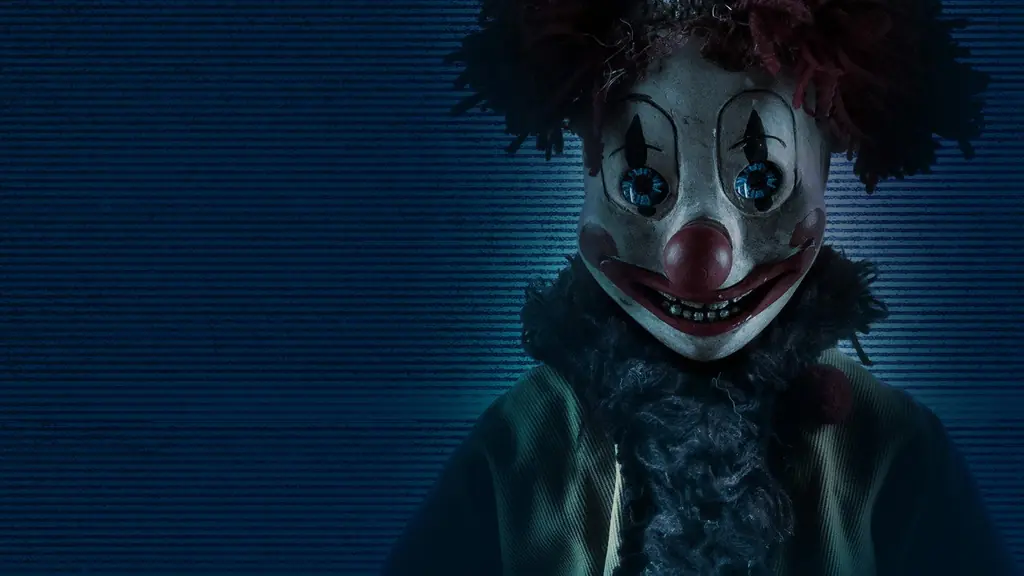
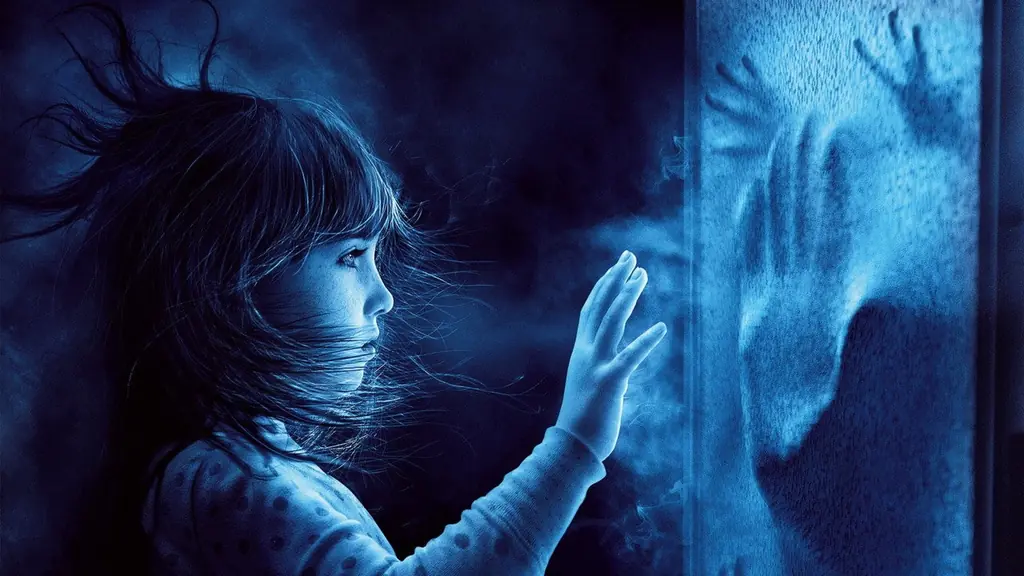
The film ultimately accepts that it cannot recapture the sheer fright of the 1982 original. Instead, it leans heavily into CGI and special effects. We see a "big portal" with electricity and numerous "ghoulish ghostly things" that, frankly, look more like video game graphics than genuinely terrifying entities. This reliance on visual effects, coupled with a proliferation of jump scares, undermines any potential for sustained dread. The reviewer found nothing in the film genuinely frightening or chilling, noting that even the clown scene, heavily featured in trailers, failed to elicit a scare. The direction prioritizes entertainment over genuine horror, resulting in a movie that's more spectacle than psychological terror.
The Final Verdict
While Poltergeist (2015) offers moments of entertainment, it ultimately fails to deliver on the promise of true horror. Its reliance on rehashed scares, an abundance of CGI, and predictable jump scares prevents it from being genuinely frightening. It's a film that might be enjoyable for a casual viewing, perhaps even more so with a relaxed mindset, but it won't leave you with lasting chills. For those seeking a light, undemanding haunted house experience, it might suffice, but it falls short of its iconic predecessor.
What Worked
- [[person:6807|Sam Rockwell]] delivers a compelling performance as the dad.
- One imaginative and chilling shadow scene stands out.
- [[person:15440|Jared Harris]] provides a solid turn as the demonologist.
- Offers some entertaining sequences despite its flaws.
What Didn't Work
- Heavy reliance on CGI makes ghouls look like video game graphics.
- Fails to be genuinely frightening or creepy.
- Overuse of predictable jump scares.
- Rehashes iconic moments, lacking originality and fresh scares.



