Introduction
From the director who brought us the "Resident Evil" film series, Paul W. S. Anderson takes on the ancient world with Pompeii. This historical epic promises the dramatic tale of a city consumed by a volcano, essentially a "Roman Atlantis" with a fiery demise. However, much like certain historical epics that focus more on the lead-up than the main event, the actual disaster only occupies a fraction of the runtime. The rest is filled with a rather forced romance and familiar tropes, leaving audiences to wonder if the build-up was truly worth the wait.
The Lead Dynamic & The Action
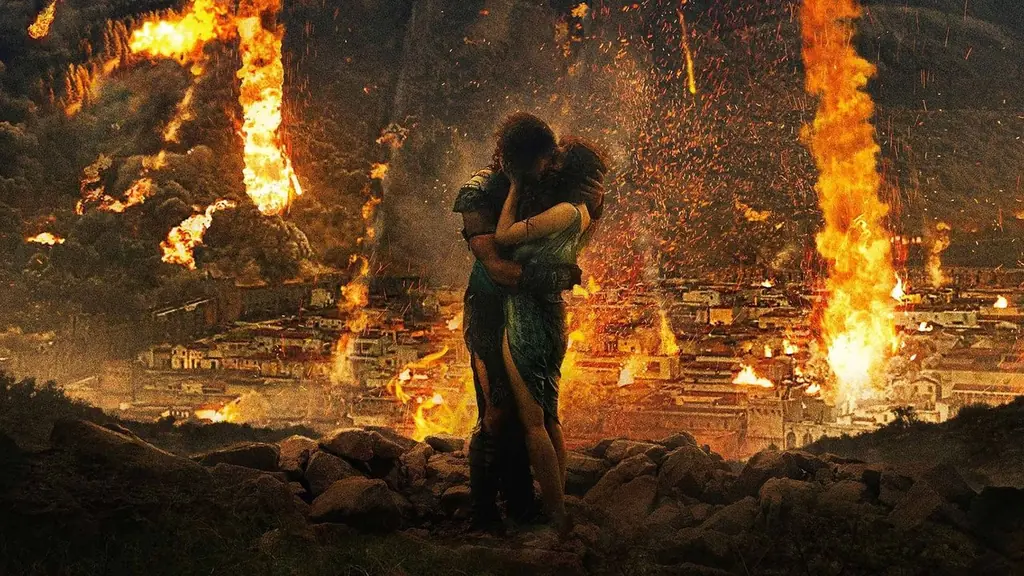
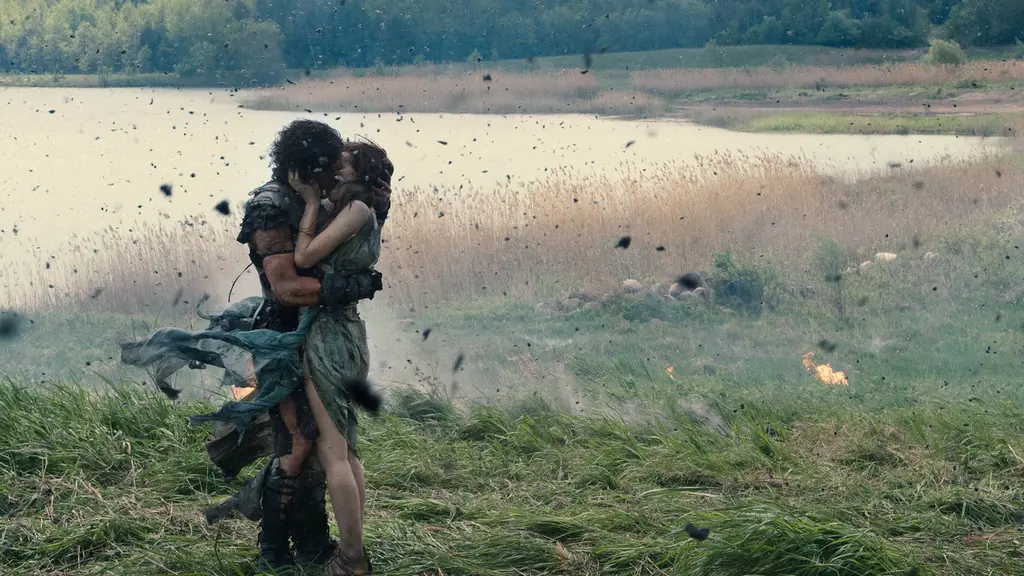
The film centers on Kit Harington (known to many as Jon Snow from "Game of Thrones") as a brooding gladiator seeking revenge, who quickly falls for Emily Browning (familiar to many as 'Baby Doll' from "Sucker Punch"), an upper-class woman. Their connection, however, feels rushed and unearned, with the reviewer noting they spend barely "10 minutes together" in terms of actual screen time. This lack of genuine chemistry makes it difficult to invest in their survival.
Despite the character shortcomings, the action sequences, particularly those involving the volcanic eruption, are where Pompeii truly shines. The tsunami scene is highlighted as a standout, delivering impressive visual spectacle and genuine thrills. The volcanic chaos, with fireballs and widespread destruction, provides the "yeah, fireballs and death" moments that disaster movie fans crave. The most compelling character, by far, is played by Adewale Akinnuoye-Agbaje, affectionately dubbed 'Mr. Eko from Lost' by the reviewer, whose portrayal of an honorable brute provides a much-needed anchor of gravitas and camaraderie.
Cameos, Nostalgia & Narrative Stakes
Pompeii leans heavily on familiar narrative beats: a lower-class hero, an upper-class love interest, and a disaster that forces them together. The villain, portrayed by Kiefer Sutherland, is a predictable "dick" who wiped out the hero's family, adding another layer of cliché to the proceedings. While the film attempts to build stakes around these characters, the lack of emotional depth means audiences struggle to care. The reviewer points out that while "Titanic" also functions as a disaster movie, it succeeded because it built compelling characters and a slow, agonizing swell of chaos. Pompeii, in contrast, rushes to its destructive climax without earning the emotional investment.
Tone, Direction & Creative Freedom
Paul W. S. Anderson's direction delivers on the promise of a disaster movie, offering plenty of "guilty pleasure" moments reminiscent of films like "2012." The film embraces its B-movie sensibilities, prioritizing spectacle over substance. While some of the disastrous sequences are undeniably cool, the overall tone struggles to balance the epic scale with the intimate human drama it attempts to weave. The result is a film that is entertaining in its chaotic moments but ultimately forgettable due to its underdeveloped characters and predictable plot.
The Final Verdict
Pompeii is a film that delivers on its promise of volcanic destruction and gladiator action, offering a visually engaging, albeit shallow, experience. It's the kind of movie that can be a "fun time if you're drunk," where the spectacle of a city being obliterated by a volcano takes precedence over nuanced storytelling or character development. While it won't be remembered as a cinematic triumph, it certainly provides enough explosive mayhem to satisfy those looking for a brain-off disaster flick.
What Worked
- Spectacular volcanic eruption and tsunami sequences.
- Strong supporting performance from [[person:31164|Adewale Akinnuoye-Agbaje]].
- Visually engaging and chaotic disaster effects.
- Delivers on "guilty pleasure" action and destruction.
What Didn't Work
- Uninspired and underdeveloped main characters.
- Forced and unbelievable central romance.
- Predictable plot with recycled historical epic tropes.
- Lacks emotional depth and genuine character investment.