Introduction
From the opening frame, Queen & Slim throws audiences headfirst into a scenario that quickly escalates from an awkward first date to a desperate fight for survival. What begins as a mundane traffic stop spirals into a life-altering event, forcing two strangers, Queen and Slim, onto an unexpected journey. The film wastes no time setting its premise, immediately thrusting its characters—and the audience—into a high-stakes narrative that rarely lets up.
The Lead Dynamic & The Action
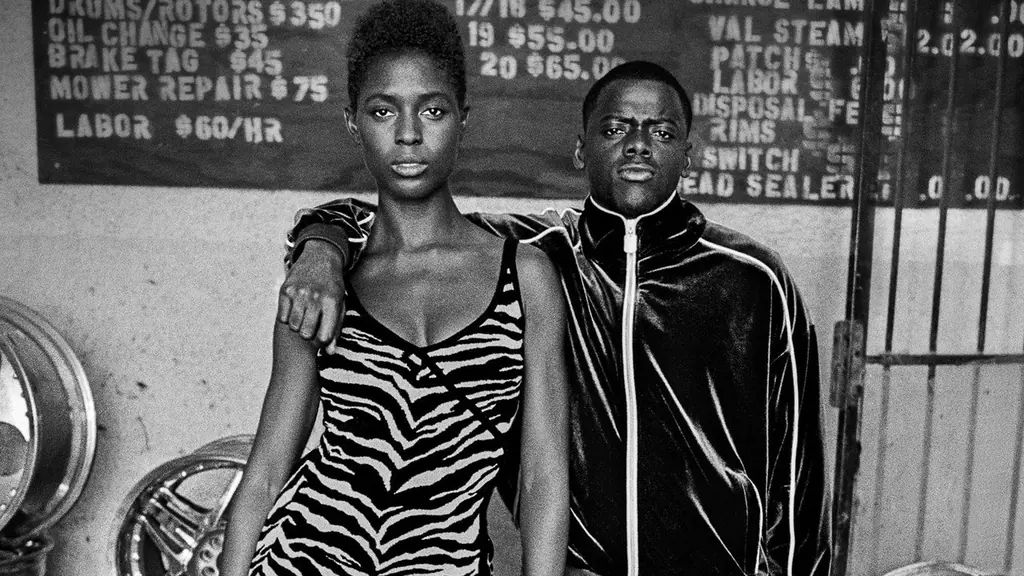
The heart of Queen & Slim beats through the evolving dynamic between its leads. Daniel Kaluuya delivers a performance that makes Slim instantly relatable; he's chill, laid-back, and the kind of person you'd genuinely want to hang out with. In contrast, Jodie Turner-Smith's Queen initially comes across as more standoffish, even a "princess" in their first interactions. Yet, the film masterfully peels back her layers, revealing a character with significant emotional depth and a compelling arc that sees her undergo profound evolution. Their journey together becomes the "most intense second date ever," a crucible where their individual identities and their connection are forged under immense pressure.
Beyond the immediate catalyst of police brutality, the film explores the powerful theme of perception versus reality. It delves into how the world sees its heroes versus how those individuals see themselves—often just people figuring things out as they go. This nuanced approach ensures the film isn't solely a message piece but a character-driven story about two people linked by an extraordinary circumstance.
Cameos, Nostalgia & Narrative Stakes
The film's first act is nothing short of "insanely great," a relentless "fight or flight" sequence that grips from the outset. However, the momentum does experience a noticeable dip in the second act. While it's understandable that the narrative might intend for the characters—and by extension, the audience—to let their guard down, this shift in pacing causes the immediate threat to feel less pressing, leading to a slight loss of intensity. Fortunately, the third act reignites the tension, bringing the story to a thrilling conclusion.
One particular scene in the third act stands out as a misstep. It feels "out of the blue" and disconnected from the film's primary perspective, which is firmly rooted in Queen and Slim's experiences. Had this scene, which seemingly attempts to provide external context like social media chatter, been omitted, the film might have felt more focused and tighter without losing any essential narrative beats. Despite this, the film successfully integrates its social commentary on racial inequality and its cause-and-effect implications without ever feeling preachy, always grounding its messages in the characters' lived experiences.
Tone, Direction & Creative Freedom
Melina Matsoukas's direction maintains an intense and thrilling tone for the majority of the runtime. The pacing, for the most part, is excellent, keeping audiences on the edge of their seats through moments of high drama and suspense. The film's ability to weave its powerful social messages into a compelling character study is a testament to its thoughtful construction. It avoids the pitfall of many message-driven films that struggle to build a cohesive narrative around their themes, instead delivering a well-rounded and impactful cinematic experience.

The Final Verdict
Queen & Slim is a gripping and often thrilling ride that transcends its initial premise. It's a film that demands attention, offering a powerful blend of character development, social commentary, and high-stakes drama. Despite a minor lull in its middle act and one questionable scene, the overall experience is intense, well-executed, and profoundly affecting. It's a testament to strong performances and a clear directorial vision that this film manages to be both entertaining and thought-provoking.
What Worked
- Strong character development, especially for Queen.
- Relatable and compelling lead performance by Daniel Kaluuya.
- Intense and thrilling first and third acts.
- Effective integration of social commentary without being preachy.
- Gripping pacing for most of the film.
What Didn't Work
- Momentum dip in the second act.
- One specific scene felt unnecessary and broke immersion.
- Repetitive "stop the car" dynamic.