Introduction
The 1936 Berlin Olympics. A world on the brink, with Hitler's ideology casting a long shadow. Into this charged arena steps Stephan James as Race's central figure, Jesse Owens, an athlete whose speed was matched only by his spirit. The premise alone is inherently captivating: a Black American challenging the Nazi regime on its own turf. This is the kind of real-life drama that practically writes itself, promising a powerful narrative of defiance and athletic prowess.
The Lead Dynamic & The Action
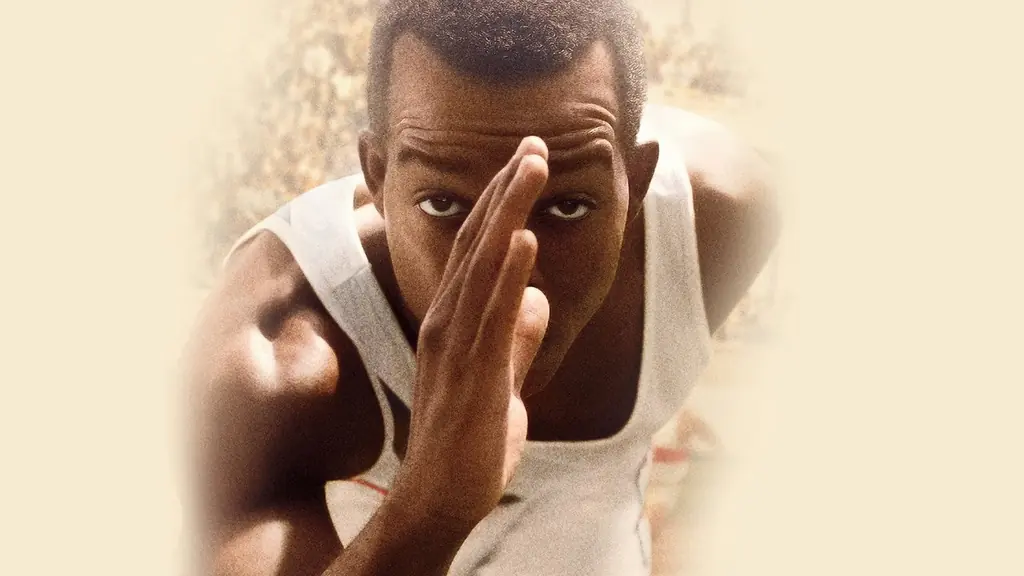
Stephan James delivers a compelling performance as Owens, capturing the essence of a man who, on the track, found absolute freedom. The film beautifully articulates Owens's philosophy: "When you're out there on the track, those 10 seconds, nothing matters. There's not black or white, there is just fast or slow." This internal liberation is palpable, making his triumphs all the more resonant. Adding to the film's strength is Jason Sudeikis, stepping confidently into a dramatic role. His chemistry with James is a highlight, portraying a genuine partnership where both characters rely on each other. It's refreshing to see a comedic actor expand their range so effectively.
However, the film faces an inherent challenge with its athletic sequences. Owens's events—sprints and long jump—are over in mere seconds. Building sustained tension in such brief moments is a tall order, and at times, the film struggles to make these races feel as nail-biting as they should. Yet, one particular event stands out, not just for the competition, but for a powerful display of sportsmanship that becomes a truly memorable and uplifting scene.

Cameos, Nostalgia & Narrative Stakes
While the life of Jesse Owens is undeniably fascinating, Race occasionally falls into the trap of feeling like a "paint-by-numbers" biopic. It hits the expected beats, delivering emotional moments and historical context, but rarely ventures beyond the conventional narrative structure. The film provides the "feels" and an enjoyable experience, largely due to the strength of its true story, but it doesn't always break new ground in its storytelling approach. The stakes are clear—Owens's personal and political victory—but the execution can sometimes feel a little too familiar.
Tone, Direction & Creative Freedom
Directed by Stephen Hopkins, Race unfortunately carries a distinct "made-for-TV movie vibe." This aesthetic can occasionally detract from the cinematic experience, making it feel less grand than the monumental events it depicts. Despite this visual limitation, the inherent power of Owens's story and the strong performances manage to keep the audience engaged. The film's tone remains earnest and inspiring, focusing on the human spirit's ability to overcome immense obstacles.
The Final Verdict
Despite its occasional "made-for-TV" feel and a somewhat conventional biopic structure, Race is an undeniably entertaining and inspiring watch. The compelling true story of Jesse Owens, coupled with strong performances from Stephan James and Jason Sudeikis, ensures that audiences will walk out with a smile. It's a good time at the movies, proving that some stories are so powerful, they shine through any minor imperfections. This is a film that celebrates human achievement and resilience, leaving a lasting impression of triumph.
What Worked
- Fascinating true story of Jesse Owens
- Strong lead performance by Stephan James
- Jason Sudeikis's effective dramatic turn
- Compelling chemistry between the leads
- Inspiring moments of sportsmanship
What Didn't Work
- Suffers from a "made-for-TV movie" aesthetic
- Often feels like a "paint-by-numbers" biopic
- Struggles to build tension in short athletic events