Introduction
The long-running saga of Alice and the Umbrella Corporation was promised a definitive end with Resident Evil: The Final Chapter. Heralded as the grand finale, anticipation was high for a conclusive, action-packed send-off. However, for many, this supposed "final chapter" delivered less a satisfying conclusion and more a sigh of relief that the ordeal was finally over.
The Lead Dynamic & The Action
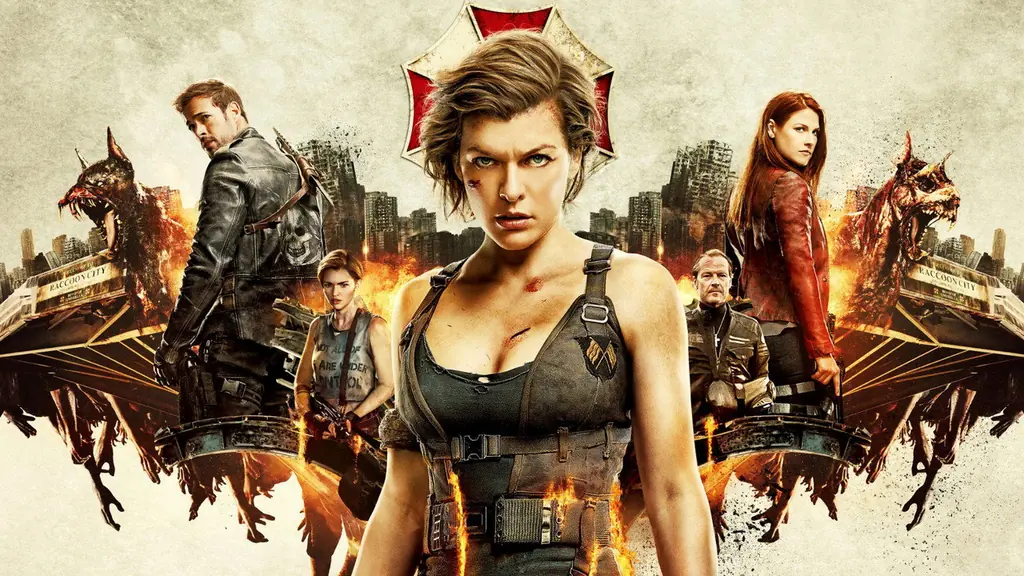
From the opening frame, Resident Evil: The Final Chapter plunges viewers into a relentless, often incomprehensible, barrage of action. The film's primary mode of transportation for its protagonist, Milla Jovovich's Alice, seems to be getting knocked out, only to awaken in an entirely new, equally chaotic scenario. This repetitive device, which consumes a significant portion of the runtime, quickly becomes tiresome. The action sequences themselves are a major point of contention. Far from being thrilling, they are plagued by an aggressive combination of shaky cam and rapid-fire jump cuts. It's a visual assault that makes it nearly impossible to discern what is happening on screen. One particular fistfight was so heavily edited that individual blows could be counted, highlighting the sheer lack of visual coherence. This isn't just a minor annoyance; it's a headache-inducing experience, especially for those who dared to watch it on the big screen in IMAX 3D. The film seems to prioritize constant motion over clear, impactful choreography, leaving audiences more confused than thrilled.
Cameos, Nostalgia & Narrative Stakes
The narrative of Resident Evil: The Final Chapter is, to put it mildly, baffling. The film attempts to provide context by having Alice receive exposition dumps, but even these explanations contradict previously established lore. Key plot points, such as the origin of the T-virus and the modeling of the Red Queen AI, are retconned, leaving long-time fans scratching their heads. The story feels less like a cohesive plot and more like a flimsy excuse to string together action sequences. There's a noticeable lack of genuine character development or compelling stakes. While the film eventually makes a belated attempt at a coherent story in its final third, it's a case of too little, too late. By then, many viewers will have already checked out, numbed by the narrative inconsistencies and the relentless, unengaging action. The film struggles to balance fan service with actual storytelling, ultimately failing to deliver on either front in a meaningful way.
Tone, Direction & Creative Freedom
Under the direction of Paul W. S. Anderson, Resident Evil: The Final Chapter adopts a tone of relentless, unadulterated "action nonsense." It feels as though the filmmakers, perhaps resigned to the series' convoluted history, simply decided to throw everything at the screen without much regard for narrative clarity or visual cohesion. The aggressive editing and shaky cam suggest a creative choice to prioritize frenetic energy over viewer comfort or understanding. This approach, while perhaps aiming for intensity, instead results in a frustrating and often painful viewing experience. The film's self-awareness regarding its own narrative shortcomings is a fleeting moment of interest, but it doesn't compensate for the overall lack of substance. It's a film where "stuff happens," often without logical progression or discernible purpose, leaving the impression that creative freedom was interpreted as license for chaos.
The Final Verdict
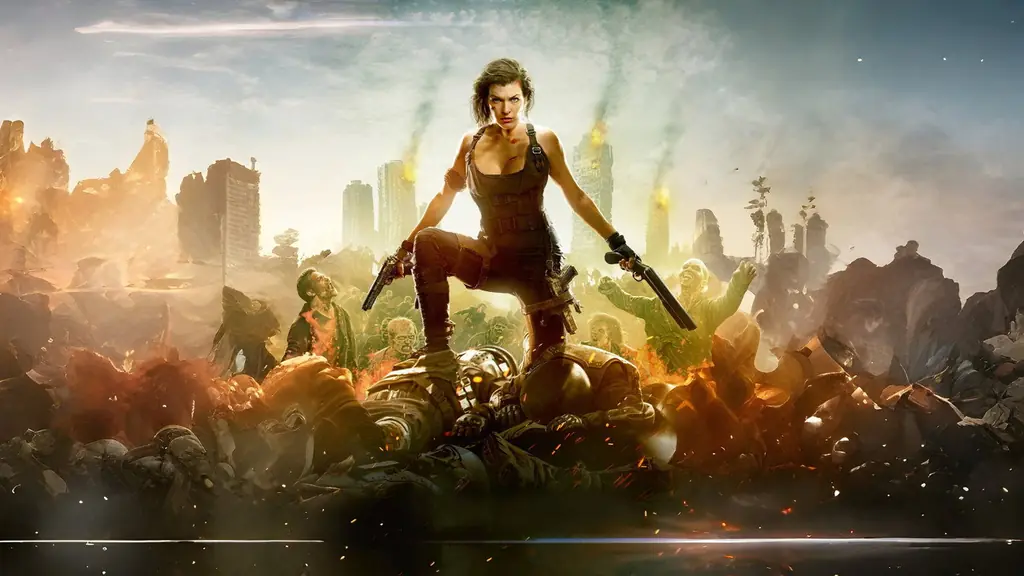
Ultimately, Resident Evil: The Final Chapter serves as a chaotic, headache-inducing conclusion to a long-running franchise. While it finally brings Alice's journey to an end, it does so with a barrage of incoherent action, a confusing plot, and visual choices that actively detract from the viewing experience. For those who have followed the series from the beginning, the relief of its conclusion might be the most satisfying aspect. However, for anyone else, this "final chapter" is a forgettable, frustrating ride that proves that sometimes, the best thing a movie can do is simply be over.
What Worked
- The series finally reaches its conclusion.
- Attempts a narrative resolution in its final act.
- Acknowledges its own convoluted lore.
- Delivers non-stop, albeit chaotic, action.
What Didn't Work
- Incoherent, headache-inducing shaky cam and jump cuts.
- Confusing, retconned plot that disregards previous films.
- Lack of character development or compelling story.
- Characters are inexplicably transported between scenes.