Introduction
In the realm of action-comedies, the buddy cop genre often feels like a safe bet, a formula ripe for laughs and explosive set pieces. Yet, some films manage to miss the mark, delivering a ride that's less thrilling and more of a predictable detour. Such is the case with Ride Along, a film that attempts to pair a hardcore cop with an aspiring lawman, but ultimately struggles to find its footing beyond a single, energetic performance.
The Lead Dynamic & The Action
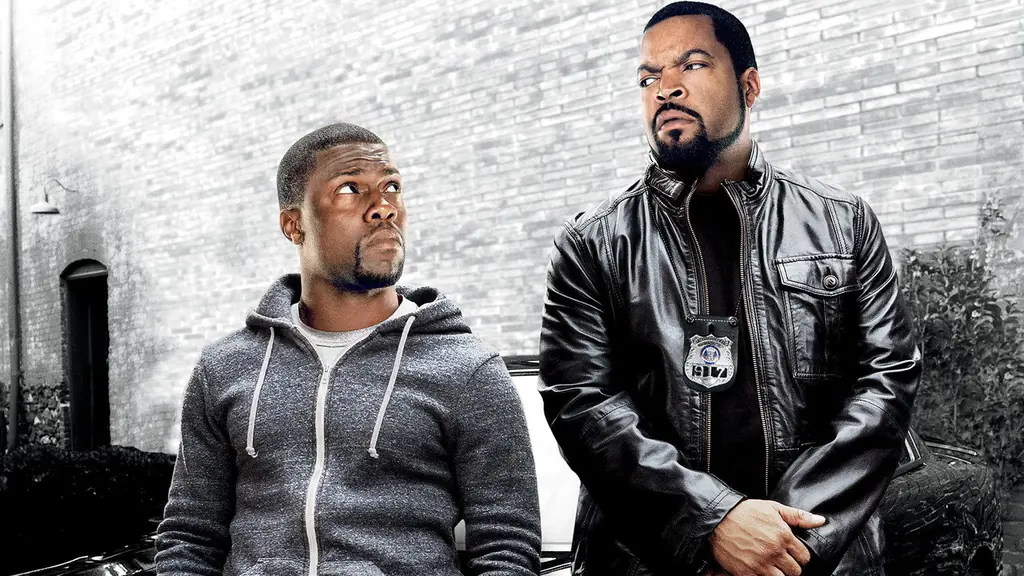
The premise of Ride Along hinges on the dynamic between veteran officer James Payton, played by Ice Cube, and his sister's fast-talking, wannabe-cop boyfriend, Ben Barber, brought to life by Kevin Hart. While the film positions itself as a buddy cop adventure, it quickly becomes apparent that it's more of a one-man show. Hart, with his signature rapid-fire delivery and physical comedy, carries the entire movie on his shoulders. His ad-libbed moments and boundless energy are the sole source of genuine entertainment, making him the undeniable highlight.
However, this reliance on Hart creates an imbalance. Ice Cube's character, the stoic and intimidating brother, feels largely interchangeable. The film could have cast any number of "hardcore cop" archetypes—a Laurence Fishburne, a John Leguizamo, or even a Ice Cube—and the outcome would likely remain the same. The duo never quite sparks with the necessary chemistry to elevate the generic scenarios they navigate. The action sequences, too, are largely unmemorable, with the most genuinely funny moments, particularly the shooting range scene, having been heavily featured in the trailers, thus compromising the viewing experience for many.
Cameos, Nostalgia & Narrative Stakes
Ride Along unfolds as a series of predictable scenarios, a collection of clichés rather than a cohesive narrative. The plot, which sees Ben attempting to prove his worth to James during a ride-along, feels less like a journey with escalating stakes and more like a checklist of buddy cop tropes. The film struggles to balance its comedic aspirations with any real sense of danger or emotional investment. The pacing often drags, leading to moments where one might find themselves checking their watch, hoping for the credits to roll. This isn't a film that leaves a lasting impression; it's the kind of "average buddy cop movie" that, by definition, implies a lack of originality and a forgettable experience.
Tone, Direction & Creative Freedom
Under the direction of Tim Story, Ride Along maintains a consistent, albeit uninspired, tone. It aims for lighthearted action-comedy but rarely transcends the expected. The film feels like a product of a well-worn formula, lacking the creative freedom or distinctive voice that could have made it stand out. It's a movie that plays it safe, adhering to conventions without injecting much-needed innovation or surprise. The result is a film that feels unbalanced, with one performer doing the heavy lifting while the rest of the production coasts on familiar territory.
The Final Verdict
Ultimately, Ride Along is a film that struggles to justify its existence beyond providing a platform for Kevin Hart's comedic talents. It's a movie that, much like "Cop Out," leaves little to no impression once the credits roll. While Hart's fans will find moments to appreciate his unique brand of humor, the generic plot, unbalanced character dynamics, and reliance on trailer-spoiled jokes make this a largely forgettable cinematic outing. Don't be surprised if you've already moved on to the next thing just a few hours after watching it.
What Worked
- [[person:55638|Kevin Hart]]'s energetic and ad-libbed performance
- Hart's ability to carry the film's entertainment
- Some genuinely funny moments, particularly in the shooting range scene
What Didn't Work
- Generic and cliché buddy cop premise
- Unbalanced dynamic; [[person:9778|Ice Cube]]'s character felt interchangeable
- Most of the best jokes were spoiled in the trailer
- Forgettable plot that drags, leading to watch-checking