
Introduction
In an unexpected return to the cursed video tape phenomenon, Rings materialized with little fanfare, surprising audiences who hadn't even seen a trailer weeks prior. This sequel to The Ring franchise updates the infamous VHS tape to a digital file, maintaining the chilling premise: watch the video, and you have seven days before a grim fate awaits. The film centers on a young woman investigating her boyfriend's disappearance, only to uncover a deeper, more intricate mystery behind the curse. Initial reactions suggested the film was "not complete," a curious phrase hinting at a movie that defied expectations, for better or worse.
The Lead Dynamic & The Action
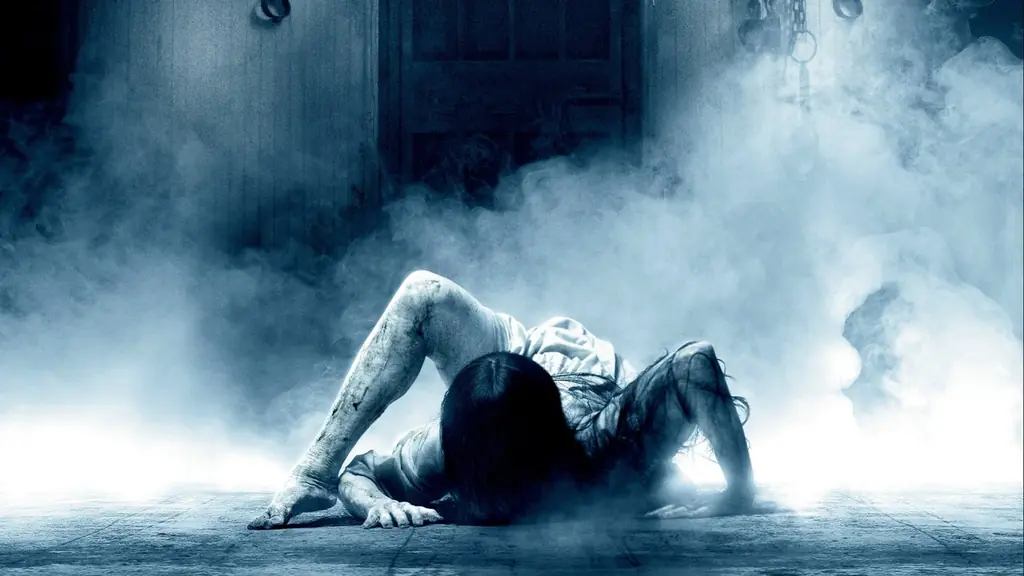
While the film's marketing stumbled with a poorly received plane scene clip, Rings quickly establishes its intent to be more than just a series of jump scares. From the moment a professor watches the cursed video, the film delivers genuinely creepy imagery, such as rain defying gravity and moving upwards. This commitment to unsettling visuals is a definite highlight. However, the film's attempts at traditional jump scares fall flat, proving predictable and ineffective. They are so telegraphed that they rarely elicit a genuine fright, feeling more like obligatory inclusions than organic moments of terror. The true strength lies in its core ambition: to unravel the mystery behind the curse, rather than simply showcasing its deadly effects.
Cameos, Nostalgia & Narrative Stakes
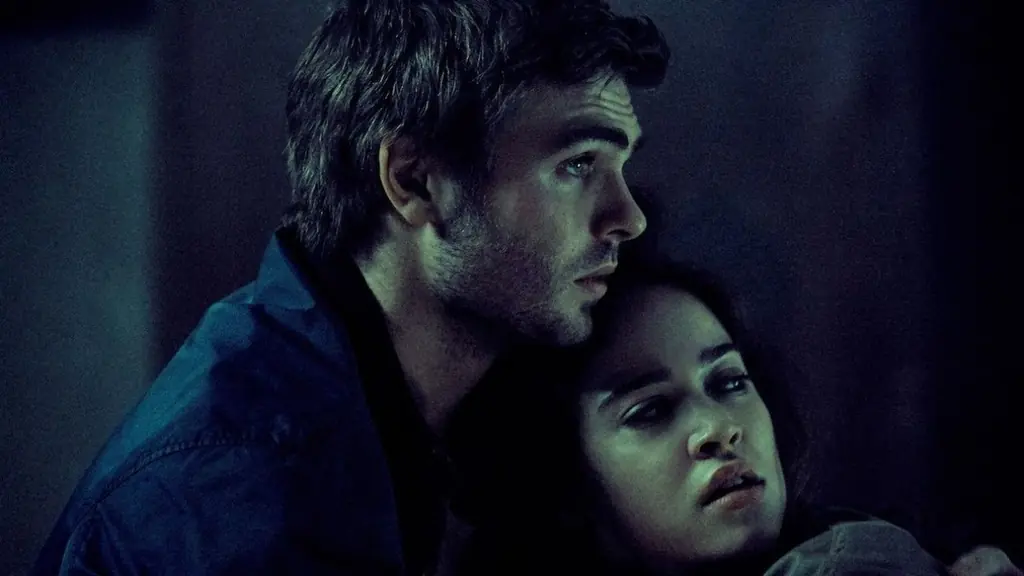
Rings shifts its focus from pure horror to an investigative thriller, tasking its protagonists with solving the "why" behind the entity's actions. This pursuit of clues embedded within the cursed video offers a refreshing narrative hook, moving beyond the simple countdown to death. Yet, the execution often falters. Many scenes drag, populated by uninteresting characters in an equally uninspired setting, causing the film to feel significantly longer than its actual runtime. The plot, while initially intriguing, eventually becomes convoluted, culminating in an ending that feels nonsensical and undermines the world the film meticulously builds.
Tone, Direction & Creative Freedom
Directed by F. Javier Gutiérrez, Rings struggles with its identity, often feeling like a "teenager trying to play with grown-ups." The PG-13 rating, while broadening its audience, seems to constrain the narrative, preventing it from fully embracing the darker, more mature themes its mystery-driven plot demands. The film's pacing is inconsistent; moments of atmospheric tension are frequently interrupted by dull stretches, leading to a viewing experience that can be quite boring. One can't help but feel that a more serious, R-rated approach might have allowed the filmmakers the creative freedom to truly explore the chilling potential of its premise.
The Final Verdict
Rings is a film that evokes a deeply mixed reaction, a cinematic paradox where one might "enjoy every bit as much as [they] hate it." It offers neat visuals and an admirable commitment to a mystery, but these strengths are often overshadowed by predictable scares, a sluggish pace, and a baffling conclusion. Ultimately, it's a film that tries to elevate its horror roots with a complex narrative, yet remains tethered by its own execution flaws and a rating that feels at odds with its ambitions.
What Worked
- Commits to a mystery-driven plot rather than just jump scares.
- Features genuinely creepy and unsettling imagery.
- Attempts fresh concepts within the established franchise.
- Offers neat visuals and atmospheric moments in parts.
What Didn't Work
- Jump scares are obvious, predictable, and ineffective.
- Pacing issues lead to many boring and drawn-out scenes.
- The plot becomes convoluted, and the ending is nonsensical.
- Feels like a PG-13 story that would have benefited from an R-rating.



