
Introduction
In a world saturated with reboots and reimaginations, the announcement of a new RoboCop was met with a healthy dose of skepticism. Could a modern take truly capture the gritty spirit of the original, or would it simply be another cash grab? Surprisingly, this updated version delivers a far more engaging experience than many anticipated, proving that some classics can indeed be revisited with fresh eyes.
The Lead Dynamic & The Action
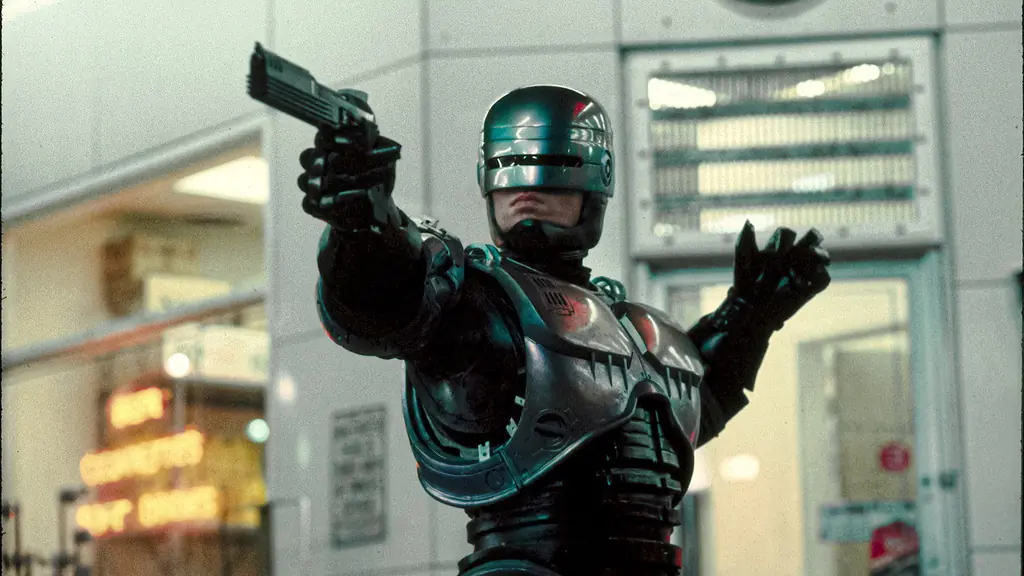
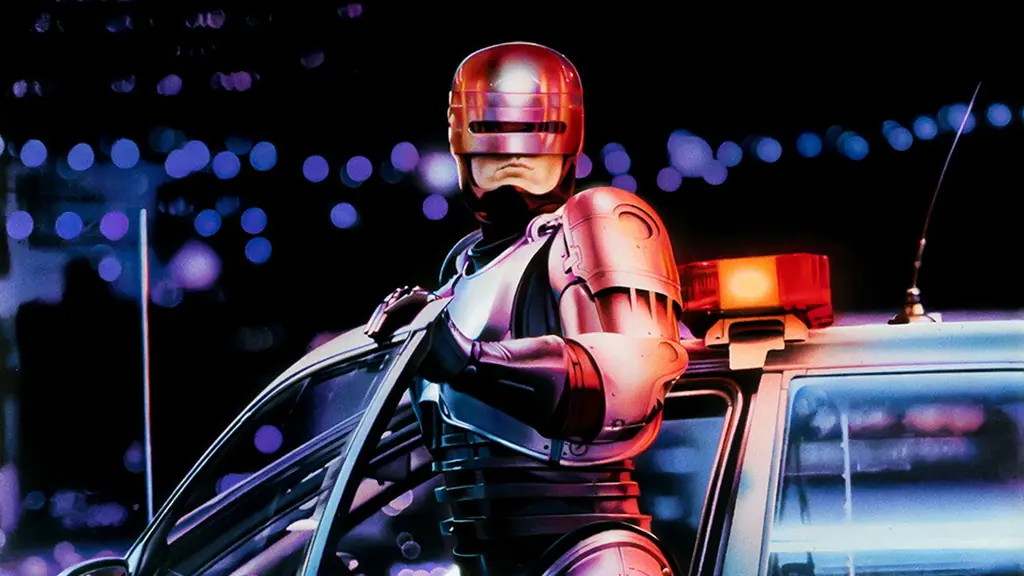
At the heart of this new iteration is Peter Weller as Murphy, the man who becomes the machine. While his performance as the human cop is functional, it's his transformation into the titular cyborg that truly commands attention. The updated RoboCop suit, initially a point of contention in early promotional material, looks genuinely enormous and menacing on screen. Gone are the concerns of a "skinny black suit dude"; this is a formidable presence. The mechanical walk, a signature element, is executed with an awesome, heavy precision that grounds the character in his new, metallic reality. The action sequences themselves are well-executed, providing the necessary punch to keep the narrative moving.
Cameos, Nostalgia & Narrative Stakes
This RoboCop takes a different narrative path regarding Murphy's humanity. Unlike the original, where his past was largely scrubbed, here he initially retains his memories, grappling with his new existence. This leads to a significant portion of the film dedicated to his rigorous training and coming to terms with his transformation. While this exploration of humanity is commendable, it eventually feels somewhat redundant when the character is later scrubbed of his personality anyway. This narrative detour, while providing ample screen time for the always-welcome Gary Oldman, ultimately prolongs the journey to the RoboCop audiences remember, leaving some viewers wishing for more immediate action.
Tone, Direction & Creative Freedom
The film boasts some genuinely cool effects that bring the futuristic world and its cyborg enforcer to life. However, even with a substantial budget, there are moments where the visual fidelity falters. Sharp-eyed viewers might spot noticeable green screen lines, particularly around characters like Gary Oldman, which can momentarily pull one out of the immersive experience. Despite these minor technical hiccups, the overall direction maintains a consistent tone, balancing the action with the underlying themes of corporate control and human identity.
The Final Verdict
While not without its imperfections, this RoboCop remake is a surprisingly good time. It manages to overcome initial skepticism and deliver a compelling, action-packed experience that is far better than many expected. Despite a narrative choice that causes a slight slowdown in the middle, the film ultimately provides a satisfying modern take on a beloved character. It's a solid entry that proves the enduring appeal of the cyborg law enforcer.
What Worked
- Surprisingly enjoyable and better than expected
- The updated RoboCop suit looks menacing and impressive
- The mechanical walk and movements are awesome
- Good action sequences
- [[person:6836|Gary Oldman]]'s presence adds gravitas
What Didn't Work
- Narrative slows down significantly after Murphy becomes RoboCop
- The "half an hour" spent on Murphy's humanity feels wasted when he's scrubbed anyway
- Noticeable green screen issues in some scenes
- Feels a bit long



